Priestley vs. Wight: Two Paths to LinkedIn Authority
Daniel Priestley builds massive personal brand authority through provocative, high-volume content, while Jack Wight focuses on niche B2B thought leadership for a company. This comparison shows how personal credibility drives broad engagement versus focused, consultative positioning for specific business goals.

Daniel Priestley
Founder of Dent Global & ScoreApp | Awarded Entrepreneur of the Year | 7x business books | Founded/exited multiple ventures | Mission to develop entrepreneurs who stand out, scale up and make a dent.
Jack Wight
- Priestley: personal brand, high volume, 270 avg engagement.
- Wight: company voice, low volume, B2B focus.
- Personal risk vs. corporate advisement.
- Mass appeal vs. niche authority.
Side by side
| Dimension | Daniel Priestley | Jack Wight |
|---|---|---|
| Voice | Priestley writes as a seasoned, occasionally unsettling founder, grounding claims in 25 years of business experience. | Wight adopts an authoritative-but-concerned advisor tone, speaking as 'we' for Orillia Finance. |
| Content mix | Priestley covers policy impact, future disruption, founder mindset, and media moments, often critiquing AI. | Wight focuses on AI + ERP integration, legacy system risks, and operational efficiency for B2B software. |
| Hook style | Priestley uses direct threats to the reader, credibility + unsettlement, or milestone + controversy to grab attention. | Wight leads with industry inevitability or competitive disadvantage warnings, often framing a company positioning statement. |
| Engagement pattern | Priestley achieves high engagement (270 avg, 1000+ for best posts) through contrarian takes and emotional stakes. | Wight's single analyzed post shows 3 engagements, indicating a focus on niche relevance over broad interaction. |
| Posting cadence | Priestley maintains a high cadence of 7.7 posts per week, consistently publishing new content. | Wight has a very low cadence of 0.1 posts per week, suggesting an infrequent or new publishing schedule. |
Who wins what
Priestley's 140,201 followers and 270 average engagement far outpace Wight's nascent presence.
Priestley's 22.5% conversation index demonstrates active dialogue, compared to Wight's 0%.
Priestley's content on policy and founder philosophy likely offers more long-term value, though no direct save data is provided.
Priestley's 7.7 posts per week shows strong, consistent content delivery, unlike Wight's 0.1 posts per week.
Pick Daniel Priestley if…- You want to build a large personal brand with broad appeal and high engagement.
- You are comfortable taking provocative stances on policy and industry trends.
- You aim to establish authority through lived experience and direct, unfiltered commentary.
- Open with a direct, unsettling claim to immediately create tension and demand attention.
- Combine personal credibility ('25 years building businesses') with contrarian takes to drive comments.
- Leverage media appearances and milestones ('1 million people watched') to amplify reach and authority.
- You represent a B2B company and want to position it as a thought leader in a niche.
- Your goal is to educate a specific industry audience about technology adoption and risk.
- You prefer a consultative, company-centric voice over a highly personal brand approach.
- Lead with industry inevitability ('The next era will most certainly stem from...') to frame your solution.
- Use 'we' and 'our opinion' to establish company credibility while maintaining distance.
- Warn of competitive disadvantage for 'outdated systems' to create urgency for your niche solution.
This comparison highlights two distinct LinkedIn strategies. Priestley shows the power of a strong, provocative personal brand to generate massive reach and conversation by taking risks and sharing uncomfortable truths. Wight demonstrates how a company can build niche authority through consistent, consultative content focused on specific industry pain points. The choice depends on whether you aim for broad personal influence or targeted B2B thought leadership; both require a clear voice and strategic content.
More comparisons featuring Daniel Priestley or Jack Wight
VS
Priestley vs Roberge: Authority through disruption versus credibility through rigor
VS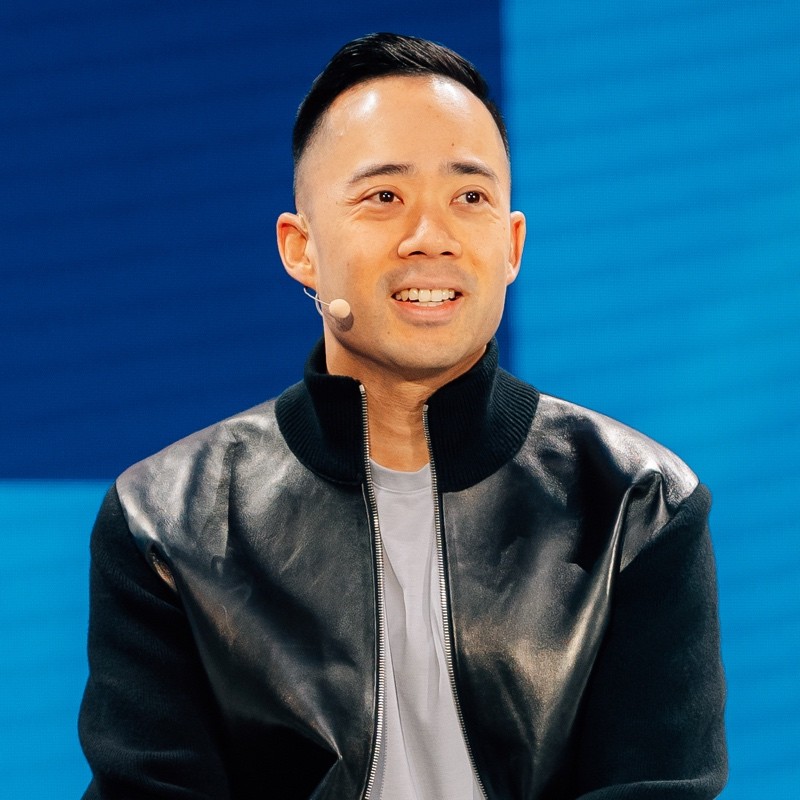
Daniel Priestley vs Eric Siu: Authority through threat vs. authority through pattern
VS
Priestley vs McKee: Authority through disruption versus connection through vulnerability
VS
Priestley vs Sinek: Disruption beats philosophy on LinkedIn growth
 VS
VSAndy Paul vs Daniel Priestley: Depth beats breadth on LinkedIn
 VS
VSDisney vs Priestley: Story power beats policy reach on LinkedIn