Head-to-head breakdowns
Creator vs Creator: side-by-side comparisons
Two top LinkedIn creators, scored on voice, content mix, hook style, and engagement. Pick who to learn from for your specific goal.

Tyagi vs. McKay: Two Paths to LinkedIn Authority
Sakshi Tyagi leverages high-volume, vulnerable storytelling to build massive reach and personal brand authority, ideal for founders seeking rapid growth. Tim McKay opts for precise, contrarian micro-content, building credibility through skepticism and practical frameworks for those prioritizing depth and integrity over viral engagement.

Cem Atik vs. Tim McKay: Two Paths to LinkedIn Authority
Cem Atik builds massive reach with high-value, contrarian offers in a niche, while Tim McKay cultivates deep engagement through micro-content and intellectual honesty. The choice depends on whether you seek broad audience growth or focused, credible conversation.

McKay vs. Merivirta: Two Paths to LinkedIn Authority
Tim McKay builds authority through deep, contrarian insights and practical frameworks, prioritizing thoughtful engagement over viral reach. Timi Merivirta focuses on rapid lead generation for B2B service providers, using high-volume posting and direct calls to action to drive massive comment engagement and resource downloads.
Paykin vs. Merivirta: Two Paths to LinkedIn Growth
Jeff Paykin excels at monetizing abstract consulting advice by assigning dollar values, making his content instantly tangible. Timi Merivirta drives massive engagement by pairing vulnerable question hooks with gated resources, converting readers into commenters at a 54.3% rate.
Paykin vs. Tyagi: Two LinkedIn Playbooks for Professional Growth
Jeff Paykin offers focused, high-value tactical advice for consultants, monetizing abstract concepts with dollar figures. Sakshi Tyagi builds personal brand authority through vulnerable storytelling and high-volume tactical frameworks, making her a better fit for founders seeking broad reach and identity shifts.
Cem Atik vs Jeff Paykin: Two Paths to LinkedIn Authority
Cem Atik dominates with high-volume, contrarian hooks and resource offers, generating massive engagement from a large audience. Jeff Paykin builds a niche following through tangible, dollar-value advice, making abstract consulting concepts concrete and actionable.
Sakshi Tyagi vs Toni Hopponen: Two Paths to LinkedIn Authority
Sakshi Tyagi builds massive reach through vulnerable origin stories and high-volume tactical advice, ideal for founders seeking broad personal brand authority. Toni Hopponen cultivates deep engagement with contrarian takes on tech shifts, perfect for non-technical owners wanting to stand out in niche conversations.
Cem Atik vs Toni Hopponen: Two paths to LinkedIn authority
Cem Atik builds a massive audience with high-value resource offers tied to provocative hooks, driving huge engagement. Toni Hopponen cultivates a niche with conversational contrarian takes, focusing on founder-led insights for non-technical owners. Your choice depends on whether you aim for broad reach with direct value or deep connection through relatable insights.
Timi Merivirta vs. Toni Hopponen: Two Paths to LinkedIn Growth
Timi Merivirta builds full-funnel lead generation systems for B2B service providers, focusing on direct, outcome-driven frameworks. Toni Hopponen offers contrarian takes on AI and web design for non-technical founders, emphasizing market shifts and founder-led sales. Your choice depends on whether you seek tactical lead gen blueprints or strategic market re-framing.
Andrew Ellis vs. Cem Atik: Two Paths to LinkedIn Authority
Andrew Ellis builds credibility through exclusive access and community ties, fostering trust over time. Cem Atik drives rapid engagement and lead generation by packaging deep expertise into actionable, AI-powered frameworks. Your choice depends on whether you prioritize long-term relationship building or immediate, high-volume lead capture.
Andrew Ellis vs. Sakshi Tyagi: Two Paths to LinkedIn Authority
Andrew Ellis builds credibility through exclusive access and local authority, ideal for those in niche, high-trust sectors. Sakshi Tyagi leverages vulnerability and tactical frameworks, perfect for founders seeking rapid personal brand growth and lead generation.
Andrew Ellis vs. Timi Merivirta: Two Paths to LinkedIn Growth
Andrew builds credibility through exclusive access and community ties, while Timi drives leads with direct, outcome-focused content. Their contrasting approaches highlight different ways to achieve professional goals on LinkedIn, depending on your niche and desired engagement.
Cem Atik vs Mohit Mishra: Two Paths to LinkedIn Growth
Cem Atik dominates with high-volume, contrarian hooks and resource offers, generating 461 average engagements per post. Mohit Mishra builds authority through vulnerable personal stories, achieving 20 average engagements with a lower cadence. The choice depends on whether you seek rapid growth via direct value or deeper connection through authentic narrative.
Mohit Mishra vs. Sakshi Tyagi: Two Paths to LinkedIn Authority
Mohit Mishra builds authority through vulnerable personal stories and B2B finance insights, posting consistently. Sakshi Tyagi scales her LinkedIn strategy brand with high-velocity content, blending personal origin stories with tactical frameworks. The choice depends on whether you seek deep, reflective insights or rapid, actionable growth strategies.
Mishra vs. Merivirta: Two paths to LinkedIn authority
Mohit Mishra builds authority through personal storytelling and B2B finance insights, while Timi Merivirta focuses on direct, tactical lead generation for B2B service providers. The choice depends on whether you seek reflective business wisdom or aggressive growth strategies.
Cem Atik vs Jordan Laker: Two Paths to LinkedIn Authority
Cem Atik dominates with high-volume, contrarian hooks and resource offers, driving massive engagement for Google Ads. Jordan Laker builds trust through specific financial reframes and client stories, appealing to agency owners seeking strategic clarity.
Jordan Laker vs. Timi Merivirta: Two Paths to LinkedIn Authority
Jordan Laker builds authority through contrarian financial insights for agency owners, focusing on deep strategic shifts. Timi Merivirta drives high-volume lead generation for B2B service providers with tactical, full-funnel LinkedIn frameworks. Your choice depends on whether you seek foundational business wisdom or immediate lead-gen mechanics.
Jordan Laker vs. Sakshi Tyagi: Two Paths to LinkedIn Authority
Jordan Laker provides deep financial strategy for agency owners, using contrarian claims to expose costly blind spots. Sakshi Tyagi builds personal brand authority for B2B founders with vulnerable stories and tactical LinkedIn frameworks. Your choice depends on whether you need financial clarity or high-velocity brand building.
Cem Atik vs. Phebean Oyinlola: Two Paths to LinkedIn Growth
Cem Atik leverages bold, contrarian hooks and high-value resource offers to drive massive engagement (81% conversation index) and follower growth in Google Ads. Phebean Oyinlola builds deep connection through vulnerable storytelling and personal career pivots, fostering a more intimate, mentor-like relationship with her audience.
Phebean Oyinlola vs Sakshi Tyagi: Two Paths to LinkedIn Growth
Phebean builds deep connection with vulnerable stories for career professionals, while Sakshi scales authority for founders with high-velocity tactical content. Your choice depends on whether you prioritize intimate engagement or rapid audience growth.
Cem Atik vs. Gregory Laskody: Two Paths to LinkedIn Authority
Cem Atik builds a massive, engaged audience through provocative hooks and high-value resource offers, while Gregory Laskody establishes niche authority with concise, experience-backed claims. Their contrasting approaches show how different content strategies yield distinct results on LinkedIn.
Laskody vs. Merivirta: Authority or Engagement on LinkedIn?
Gregory J. Laskody builds quiet authority through deep, niche expertise, speaking to a small, specific audience. Timi Merivirta drives massive engagement and lead generation by openly sharing his full-funnel system and challenging common advice. Your choice depends on whether you seek deep, niche credibility or broad, active lead generation.
Laskody vs. Tyagi: Two Paths to LinkedIn Authority
Gregory J. Laskody builds quiet authority through deep, niche expertise, while Sakshi Tyagi scales rapidly with high-velocity, vulnerable content. Their contrasting approaches reveal that LinkedIn success isn't one-size-fits-all, but depends on your goals and target audience.

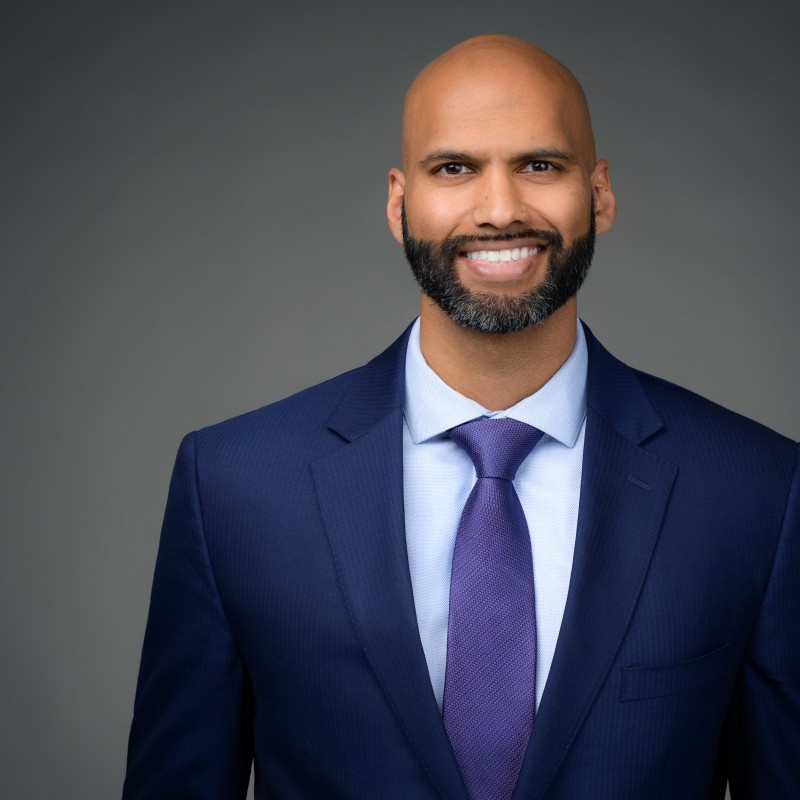
Lucy Alligan vs. Rajiv Rebello: Two Paths to LinkedIn Authority
Lucy Alligan builds authority through contrarian B2B operations insights and trust-based reframes, while Rajiv Rebello leverages specific numbers to reposition 'boring' financial products for UHNW families. Their approaches offer distinct blueprints for establishing expertise and engaging niche audiences on LinkedIn.

Alligan vs. Bernstein: Two Paths to LinkedIn Authority
Lucy Alligan builds authority through contrarian frameworks for B2B ops, while Mark Bernstein ACA uses event recaps and founder insights for early-stage funding. Alligan offers a strategic, re-framing approach, whereas Bernstein provides tactical, experience-driven advice.
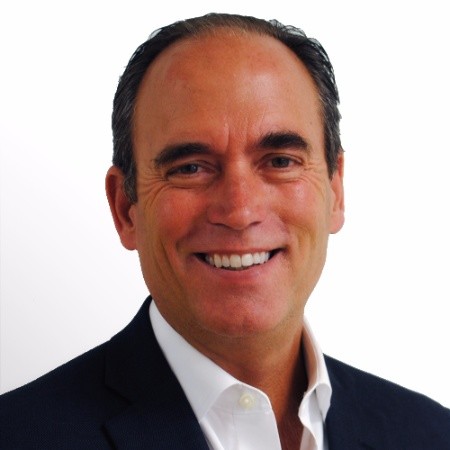

Verbeck vs. Alligan: Two Paths to LinkedIn Authority
Jon Verbeck builds authority as a trusted financial advisor through consistent, contrarian posts for small business owners. Lucy Alligan commands attention by reframing B2B marketing ops problems as trust issues, driving higher engagement with fewer posts.
Mohandeep Singh vs. Sakshi Tyagi: Two Paths to LinkedIn Authority
Mohandeep builds authority through consistent industry thought leadership and personal narrative, making InsurTech accessible. Sakshi scales personal brand for founders with raw vulnerability and tactical frameworks, achieving higher engagement despite a lower follower count. Their distinct approaches offer clear lessons for different LinkedIn goals.
Cem Atik vs. Mohandeep Singh: Two Paths to LinkedIn Authority
Cem Atik builds massive authority through contrarian hooks and high-value resource offers, driving 81% conversation. Mohandeep Singh uses personal stories and casual language to foster connection, making InsurTech accessible to his audience.
Mohandeep Singh vs. Timi Merivirta: Two Paths to LinkedIn Authority
Mohandeep builds authority through personal storytelling and consistent industry insights, making InsurTech accessible. Timi focuses on direct, outcome-driven frameworks for B2B lead generation, converting high engagement into leads. Your choice depends on whether you seek relatable industry presence or tactical lead gen mastery.
Timi Merivirta vs. Zane Schartz: Two Paths to LinkedIn Authority
Timi Merivirta builds a large audience by teaching B2B lead generation with high-volume, direct content. Zane Schartz cultivates a niche of accredited investors through detailed, specific financial breakdowns. Your choice depends on whether you seek broad reach for service sales or deep trust for high-value capital.
Tyagi vs. Schartz: Two Paths to LinkedIn Authority
Sakshi Tyagi builds personal brand authority through high-velocity vulnerability and tactical frameworks, while Zane Schartz educates accredited investors with precise financial breakdowns of real estate deals. Choosing depends on whether you seek broad audience growth or deep engagement with a niche, high-value audience.
Cem Atik vs. Zane Schartz: Two Paths to LinkedIn Authority
Cem Atik builds authority through provocative, AI-powered frameworks for a mass e-commerce audience, driving high conversation with contrarian hooks. Zane Schartz cultivates trust with granular financial transparency for accredited investors, focusing on specific deal breakdowns.
Cem Atik vs. Paul Bradley: Two Paths to LinkedIn Authority
Cem Atik leverages high-volume, contrarian hooks and AI-powered resource offers to dominate the Google Ads niche with 47K followers. Paul Bradley builds deep trust in wealth management through vulnerable storytelling and personal financial milestones, despite a smaller audience.
Bradley vs. Merivirta: Two paths to LinkedIn authority
Paul Bradley builds deep authority through personal stories and contrarian financial insights, while Timi Merivirta drives high engagement with direct lead generation tactics. Bradley focuses on long-term trust, Merivirta on immediate action and pipeline growth.
Bradley vs. Tyagi: Two paths to LinkedIn authority
Paul Bradley builds authority through deep, personal financial narratives, ideal for niche experts. Sakshi Tyagi scales rapidly with high-volume, tactical content, perfect for founders seeking quick growth. Your choice depends on your niche and desired pace.
Cem Atik vs. Danish Butt: Two Paths to LinkedIn Authority
Cem Atik builds a massive audience through provocative, high-value AI content for e-commerce ads, while Danish Butt cultivates a niche community with deep structural analysis for legal ops. Your choice depends on whether you seek broad reach with tactical giveaways or deep engagement within a specialized, high-stakes domain.
Atik vs. King: Two Paths to LinkedIn Authority
Cem Atik dominates with high-volume, contrarian hooks and AI-powered resource offers, driving massive engagement for Google Ads. Donald King builds trust through deep operational insights, diagnosing hidden business problems for B2B professional services. Their approaches highlight different strategies for LinkedIn growth.
King vs. Merivirta: Two Paths to LinkedIn Authority
Donald King builds authority by diagnosing deep business problems for B2B professional services, using a direct, operator-driven voice. Timi Merivirta focuses on rapid lead generation for B2B service providers, leveraging vulnerable questions and contrarian takes to drive high engagement with gated content.
King vs. Tyagi: Two Paths to LinkedIn Authority
Donald King builds authority through deep operational insights for B2B services, while Sakshi Tyagi scales personal brand via high-volume vulnerability and tactical frameworks. King targets specific business owners with diagnostic content, whereas Tyagi aims for broader founder appeal with relatable struggle and actionable LinkedIn growth lessons.

Wight vs. Roberge: Two Paths to LinkedIn Authority
Jack Wight builds company authority through B2B software insights, while Mark Roberge cultivates personal thought leadership in scaling strategy. The choice depends on whether you seek to elevate a brand or establish yourself as a go-to mentor.
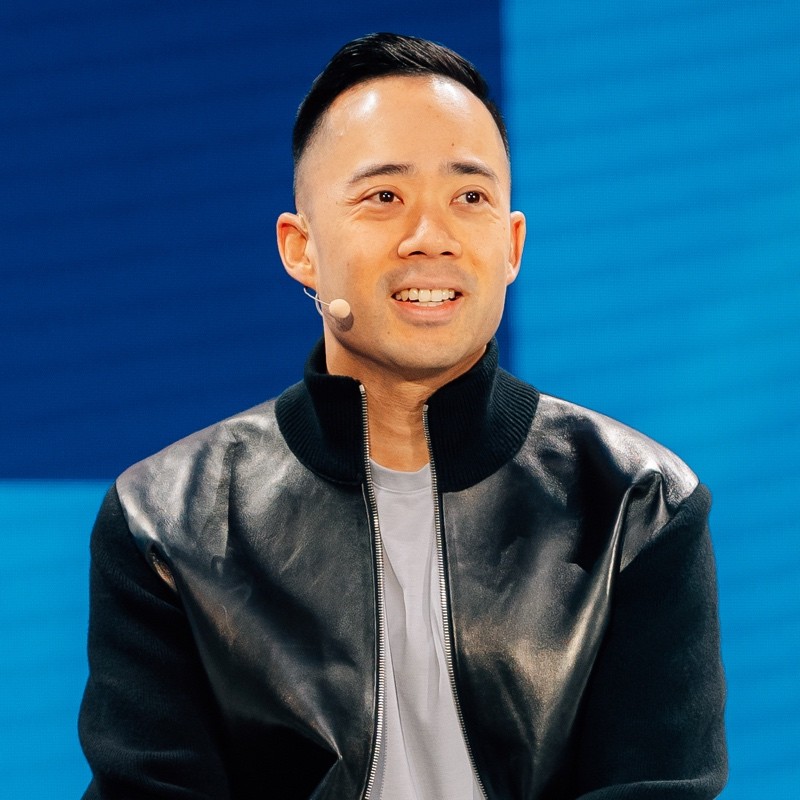
Eric Siu vs. Jack Wight: Two Paths to LinkedIn Authority
Eric Siu builds a personal brand with high-frequency, data-driven insights on AI and marketing operations, generating significant engagement. Jack Wight, representing Orillia Finance, uses a lower-frequency, consultative approach to position AI-driven ERP solutions, focusing on competitive disadvantage warnings.

Priestley vs. Wight: Two Paths to LinkedIn Authority
Daniel Priestley builds massive personal brand authority through provocative, high-volume content, while Jack Wight focuses on niche B2B thought leadership for a company. This comparison shows how personal credibility drives broad engagement versus focused, consultative positioning for specific business goals.
Cem Atik vs. Ryan Miller, MFin.: Two Paths to LinkedIn Authority
Cem Atik builds a massive, engaged audience through provocative, high-value resource offers in Google Ads. Ryan Miller, MFin. cultivates an elite niche with deep financial theory and content-to-lead-magnet flywheels. Their contrasting approaches reveal how to dominate different LinkedIn segments.
Miller vs. Tyagi: Two Paths to LinkedIn Authority
Ryan Miller builds deep authority for a niche audience using macro-finance theory and complex deal mechanics. Sakshi Tyagi scales personal brand and reach through vulnerable storytelling and high-velocity tactical content. Your choice depends on whether you seek depth in a narrow field or broad influence across a wider audience.
Ryan Miller vs. Timi Merivirta: Two Paths to LinkedIn Influence
Ryan Miller builds authority through deep financial insights, attracting a niche audience with complex frameworks. Timi Merivirta focuses on direct lead generation, using actionable tactics to drive high engagement and immediate results for B2B service providers. The choice depends on whether you seek thought leadership or rapid lead conversion.
Associated vs. Atik: Two LinkedIn Playbooks, One Goal
Associated Financial builds brand authority through internal celebrations and leadership visibility, treating LinkedIn as a company newsletter. Cem Atik drives massive engagement and lead generation by packaging his expertise into AI-powered frameworks and offering them as high-value resources.
Associated Financial vs. Timi Merivirta: Two Paths to LinkedIn Growth
Associated Financial builds brand authority through company culture and leadership visibility, treating LinkedIn as a company newsletter. Timi Merivirta focuses on direct lead generation for B2B service providers, using vulnerable questions and gated resources to drive high engagement and MRR.
Associated Financial vs. Sakshi Tyagi: Two Paths to LinkedIn Authority
These two creators demonstrate vastly different approaches to LinkedIn. Associated Financial builds brand authority through company culture and leadership visibility, while Sakshi Tyagi focuses on personal brand for founders with vulnerable stories and tactical frameworks. The choice depends on whether you're building a corporate brand or a personal one, and your desired engagement style.
Alexander R. vs. Mark Roberge: Two Paths to LinkedIn Authority
Alexander R. builds community through warmth and team celebration, ideal for brand-focused founders. Mark Roberge delivers rigorous, data-backed strategy, perfect for operators seeking tactical growth insights. Your choice depends on whether you prioritize emotional connection or strategic depth.
Alexander R. vs Daniel Priestley: Two Paths to LinkedIn Authority
Alexander R. builds community through warm, team-focused updates, generating steady engagement despite a lower posting frequency. Daniel Priestley commands a massive audience with provocative, high-cadence content, driving significantly higher engagement and conversation rates by challenging established norms.
Alexander R. vs Eric Siu ✓: Two Paths to LinkedIn Influence
Alexander R. builds community with warmth and team celebration, driving high engagement on fewer posts. Eric Siu ✓ educates with tactical insights and contrarian takes, posting frequently to a larger audience.
Cem Atik vs. Ron Jones: Two Paths to LinkedIn Influence
Cem Atik builds massive engagement by offering high-value resources to a niche audience, while Ron Jones cultivates a supportive network through personal achievement announcements. Their contrasting approaches highlight how different content strategies drive distinct outcomes on LinkedIn, from broad reach to deep community connection.
Ron Jones vs. Timi Merivirta: Two Paths to LinkedIn Influence
Ron celebrates personal milestones, fostering community engagement through congratulations. Timi, in contrast, offers direct solutions to B2B lead generation problems, driving high comment-based interaction. The choice depends on whether you seek network validation or tactical growth frameworks.
Ron Jones vs. Sakshi Tyagi: Two Paths to LinkedIn Authority
Ron Jones leverages personal milestones for network engagement, while Sakshi Tyagi builds authority through vulnerable stories and tactical frameworks. Your choice depends on whether you seek community celebration or direct strategic guidance for B2B growth.
Rajiv Rebello vs Timi Merivirta: Two paths to LinkedIn growth
Rajiv Rebello builds authority through contrarian claims and precise data, attracting a niche ultra-high-net-worth audience. Timi Merivirta drives massive engagement by offering direct solutions to common lead generation pains, converting comments into leads.
Cem Atik vs. Rajiv Rebello: Two Paths to LinkedIn Authority
Cem Atik dominates with high-volume, contrarian hooks driving massive engagement in a competitive niche. Rajiv Rebello builds trust in a sensitive market by reframing complex financial products with precise data, despite lower follower counts. Their approaches offer distinct lessons for audience growth and content strategy.
Rajiv Rebello vs. Sakshi Tyagi: Two Paths to LinkedIn Authority
Rajiv Rebello builds authority by dissecting complex financial products with data, appealing to a niche ultra-high-net-worth audience. Sakshi Tyagi scales personal brand by sharing vulnerable origin stories and tactical LinkedIn frameworks, attracting a broader B2B founder demographic.
Jody Padar vs Sakshi Tyagi: Community depth or tactical reach?
Jody Padar builds a tight, high-conversation community inside accounting by mixing personal vulnerability with industry provocation, averaging a 20.6% comment rate at 5.7 posts per week. Sakshi Tyagi plays a different game entirely: 15.4 posts per week, 37,959 followers, and an average of 235 engagements per post by anchoring every hook to a specific number or timeline. One optimizes for depth and trust inside a niche. The other optimizes for volume and reach across a broader B2B founder audience.
Jody Padar vs Timi Merivirta: Community builder meets lead generation machine
Jody Padar builds a profession-wide community through vulnerability and values, averaging 26 engagements per post with a 20.6% comment rate. Timi Merivirta runs a lead generation engine, averaging 49 engagements per post with a 54.3% comment rate by pairing problem hooks with gated resources. Choose Jody if you want to build authority and belonging in a niche. Choose Timi if you want comments that convert.
Cem Atik vs Jody Padar: Volume and virality versus depth and dialogue
Cem Atik runs a comment-farming machine built on contrarian hooks, AI frameworks, and a $2B credential that pulls 461 average engagements per post at 15.4 posts per week. Jody Padar posts 5.7 times per week, averages 26 engagements, and generates genuine conversation through vulnerability and questions rather than resource drops. The choice between them is really a choice between building an audience fast versus building a community that talks back.
Eric Siu vs Holt Price: Volume vs milestones, which wins?
Eric Siu builds a teaching brand at scale, 55K followers, 7.7 posts per week, pattern-interrupt hooks that train an audience to think differently about AI and marketing. Holt Price builds a deal-flow reputation through milestone announcements, 9 posts total, but 40 average engagements per post versus Siu's 12. The choice comes down to what you're optimizing for: audience size and authority, or high-signal credibility with a small, relevant network.
Holt Price vs Mark Roberge: Milestone posts vs teaching posts
Holt Price builds credibility by announcing real wins, naming real people, and letting the transaction speak. Mark Roberge builds an audience by teaching patterns from 10+ years of scaling experience, posting 7.5 times a week with data-backed conviction. One is a deal-maker who uses LinkedIn as a credibility signal. The other is a teacher who uses LinkedIn as a distribution engine.
Daniel Priestley vs Holt Price: Volume and provocation versus quiet credibility
Priestley runs a high-frequency content engine at 7.7 posts per week, using contrarian takes and emotional stakes to pull 270 average engagements from 140K followers. Price posts once a week and averages 40 engagements, but his posts are milestone announcements that generate warm, relationship-driven conversation in a niche deal-making world. The choice between them is really a choice between building a public audience and deepening a private network.
Dom Hawes vs Sakshi Tyagi: Depth versus volume on LinkedIn
Dom Hawes posts 4.5 times a week to a niche audience of agency founders and gets 21.3% of his engagement from comments, meaning his content starts real conversations among people who matter to his business. Sakshi Tyagi posts 15.4 times a week to 37,959 followers and averages 235 engagements per post, meaning she wins on raw reach and visibility. Choose Dom if you want to own a room; choose Sakshi if you want to fill one.
Dom Hawes vs Timi Merivirta: Credibility engine or lead machine?
Dom Hawes builds authority through insider observation, writing for agency founders who want to understand how deals and transitions actually work. Timi Merivirta builds pipeline, posting 15 times a week to drive comment-gated lead magnets that convert 54.3% of engagement into conversations. Choosing between them is really choosing between positioning yourself as a trusted voice versus running a content-powered sales funnel.
Cem Atik vs Dom Hawes: Volume and virality versus depth and trust
Cem Atik runs a comment-farming machine built on authority hooks and gated resources, pulling 461 average engagements at 81% conversation index across 47,000+ followers. Dom Hawes writes like a founder thinking out loud, averaging 51 engagements from a smaller audience but earning a 1.5% repost rate that suggests his ideas travel further per post than the raw numbers show. Choose Cem to learn distribution mechanics. Choose Dom to learn how to build a point of view.
Dean Casey vs Timi Merivirta: Depth versus volume on LinkedIn
Dean Casey builds slow-burn authority in a narrow niche using vulnerability and hard-won frameworks. Timi Merivirta runs a comment-engine at 15.4 posts per week, converting 54.3% of all engagement into replies that feed his lead gen system. If you want to be trusted by a specific industry, study Dean. If you want to fill a pipeline fast, study Timi.
Cem Atik vs Dean Casey: Volume and virality versus depth and trust
Cem Atik runs a comment-farming machine with 47,481 followers, an 81% conversation index, and hooks that hit 11,899 engagements by packaging $2B+ credentials into giveaway posts. Dean Casey posts 5x per week to a smaller audience, earns a 8.6% repost rate that Cem never touches, and builds slow authority through mentor-voice frameworks. The choice is between a model optimized for reach and lead volume versus one optimized for credibility and shareability.
Dean Casey vs Sakshi Tyagi: Depth versus volume on LinkedIn
Dean Casey builds niche authority in fintech with 5 posts per week, averaging 52 engagements per post through tactical frameworks and vulnerability-driven hooks. Sakshi Tyagi posts 15+ times weekly, pulls 235 average engagements, and drives a 16.1% conversation index by anchoring every post to a specific number or personal timeline. The choice comes down to whether you want to own a niche slowly or build a broad personal brand fast.
Bill Staikos vs Sakshi Tyagi: Depth versus volume on LinkedIn
Bill Staikos wins on conversation rate (22.3% vs 16.1%) by writing sharp, timely analysis for a senior CX and enterprise AI audience. Sakshi Tyagi wins on raw engagement (235 avg vs 61) and reach by posting 15+ times weekly with vulnerability-anchored frameworks that resonate with a much broader founder audience. The choice comes down to what you're building: a reputation among a specific professional tier, or a high-volume personal brand that converts followers to clients.
Daniel Priestley vs Ravi Gupta: Authority engine versus recognition platform
Priestley runs a content machine at 7.7 posts per week, averaging 270 engagements per post across 140,000 followers by combining contrarian takes with lived founder credibility. Gupta posts 1.8 times per week and treats LinkedIn primarily as a broadcast channel for awards and hiring, hitting his highest numbers (412 engagements) when emotional validation language leads. The gap matters: Priestley builds an audience that returns; Gupta builds a network that responds.
Şan Yalman vs Timi Merivirta: Authority builder vs lead machine
Şan Yalman builds cultural gravity around a movement, Timi Merivirta builds a comment-driven lead funnel. One posts 2.2 times a week and earns 395 engagements on a single philosophical hook. The other posts 15.4 times a week and converts 54.3% of all engagement into comments, which means pipeline. Choose based on whether you need to be known or need to be booked.
Cem Atik vs Mathias Gajhede: Authority playbook vs founder diary
Cem Atik runs a comment-farming machine built on contrarian hooks and high-value resource drops, pulling 461 avg engagements from 47K followers with an 81% conversation index. Mathias Gajhede posts raw founder stories in Danish and English to a smaller audience, averaging 17 engagements but generating genuine peer-level connection. Choosing between them is choosing between audience scale through authority positioning versus trust through vulnerability.
Mathias Gajhede vs Sakshi Tyagi: Raw founder truth versus tactical volume
Mathias runs on depth: 5.7 posts per week, no follower count listed, but a 22.1% conversation index that beats Sakshi's 16.1% by a wide margin. Sakshi runs on scale: 15.4 posts per week, 37,959 followers, and 235 average engagements versus Mathias's 17. The choice comes down to whether you want to build a tight, high-trust community or a broad, high-volume audience that converts through repetition.
Sakshi Tyagi vs Stephen Nasiatka: Volume vs Exclusivity on LinkedIn
Sakshi Tyagi posts 15+ times weekly to 37,959 followers, averaging 235 engagements per post. Stephen Nasiatka posts 5 times weekly to a smaller audience but earns a 1.9% repost rate, nearly 4x Sakshi's 0.5%. His content travels further per post. The choice between them is really a choice between broadcast reach and word-of-mouth depth.
Ann-Marie Klein vs Sakshi Tyagi: Authority depth versus audience reach
Ann-Marie Klein builds slow-burn credibility with 24 years of domain expertise, posting 5.8 times weekly to a niche audience of enterprise revenue leaders who comment at a 24.9% conversation rate. Sakshi Tyagi posts 15.4 times weekly to 37,959 followers and averages 235 engagements per post, nearly 5x Ann-Marie's 46. The choice comes down to what you're building: a reputation inside a specific industry, or a scalable personal brand that converts strangers into clients.
Ann-Marie Klein vs Cem Atik: Authority-building versus audience-building on LinkedIn
Ann-Marie Klein earns trust through vulnerability and domain depth, averaging 46 engagements per post with a 24.9% conversation index built on career storytelling and pricing frameworks. Cem Atik runs a comment-engine, averaging 461 engagements per post with an 81% conversation index by pairing contrarian hooks with high-value resource giveaways at 15.4 posts per week. Choose Klein to learn how to build credibility in a niche; choose Atik to learn how to build an audience fast.
Ross Tomkins vs Sakshi Tyagi: Depth vs velocity on LinkedIn
Ross Tomkins posts 5.7 times a week and earns trust through personal narrative and contrarian insight. Sakshi Tyagi posts 15.4 times a week and earns reach through specific numbers, tactical frameworks, and unapologetic vulnerability. The choice between them is a choice between two growth philosophies: go deep with fewer posts, or go wide with relentless volume.
Cem Atik vs Juan Carlos Badillo: Volume vs Depth on LinkedIn
Cem Atik runs a comment-farming machine: 47,481 followers, 15.4 posts per week, and an 81% conversation index built almost entirely on keyword CTAs and contrarian hooks. Juan Carlos Badillo posts 4.1 times per week to a niche LatAm energy finance audience, generates 3.3% reposts against Cem's 0.5%, and writes like a deal lawyer naming every party in the room. One is optimized for reach and lead capture. The other is optimized for credibility inside a closed professional world.
Juan Carlos Badillo vs Timi Merivirta: Authority vs Volume on LinkedIn
Badillo builds deep credibility inside a narrow niche by naming real deals, real people, and real policy constraints, averaging 41 engagements per post with no published follower count. Merivirta runs a volume machine, posting 15.4 times per week to 15,899 followers and converting 54.3% of all engagement into comments through keyword CTAs. One builds a reputation inside an industry. The other builds a pipeline.
Juan Carlos Badillo vs Sakshi Tyagi: Niche depth versus volume velocity
Badillo builds authority through insider deal access, naming 8-12 real parties per post in a tightly defined LatAm energy niche. Tyagi builds reach through high-frequency vulnerability and tactical frameworks aimed at any B2B founder on LinkedIn. One is a specialist signal in a small pond. The other is a volume machine in a crowded one.
Cem Atik vs Tim Urie, CFP®: Volume and virality versus intimacy and trust
Cem Atik runs a content machine built for cold traffic: 15.4 posts per week, contrarian hooks, and keyword CTAs that convert 81% of engagement into comments. Tim Urie posts 5.5 times per week to a warm, niche audience and generates almost no comments (15.5% conversation index) but earns a 3.1% repost rate, meaning his content travels farther per post than Cem's. Choose Cem to learn distribution and lead generation mechanics. Choose Tim to learn how personal narrative builds professional trust in a relationship-driven industry.
Anand Mohan vs Sakshi Tyagi: Volume beats polish every time
Sakshi Tyagi posts 15.4 times per week, averages 235 engagements per post, and has built 37,959 followers on a single repeatable system. Anand Mohan posts 0.6 times per week with an average of 27 engagements and no documented follower count. The comparison is less about style and more about what happens when one creator treats LinkedIn as a publishing business and the other treats it as an occasional update feed.
Sakshi Tyagi vs Tim Urie, CFP®: Volume versus intimacy on LinkedIn
Sakshi Tyagi runs a high-velocity content machine at 15.4 posts per week, building broad reach through numbered frameworks and vulnerable origin stories that average 235 engagements. Tim Urie posts 5.5 times per week to a niche audience of wealth management professionals, but his single best post pulled 399 engagements by inviting readers into a career decision in real time. The choice between them is really a choice between scale and depth.
Anand Mohan vs Cem Atik: Volume, voice, and who actually wins LinkedIn
Cem Atik posts 15.4 times per week, has 47,481 followers, and pulls 461 average engagements per post with an 81% conversation index driven by comment-gated lead magnets. Anand Mohan posts 0.6 times per week with an average of 27 engagements and almost no public follower data to benchmark against. The comparison is less about style and more about what happens when a clear content system meets the absence of one.
Tim Urie vs Timi Merivirta: Intimacy vs Volume on LinkedIn
Tim Urie builds a tight, high-trust network in wealth management by sharing vulnerable career milestones that pull 399 engagements on a single post. Timi Merivirta runs a lead generation machine at 15.4 posts per week, converting 54.3% of all engagement into comments through keyword CTAs and contrarian frameworks. Choose Tim if you want to be known in a specific industry. Choose Timi if you want to fill a pipeline.
Nancy Griffin vs Timi Merivirta: Conviction vs Conversion on LinkedIn
Nancy Griffin builds credibility by anchoring institutional research to a single sharp interpretive sentence, earning reposts at 9.6% from an audience that trusts her curation. Timi Merivirta engineers comments at a 54.3% conversation index by pairing vulnerable question hooks with gated keyword CTAs, turning every post into a lead capture event. If you want to be cited, learn from Nancy. If you want to book calls, learn from Timi.
Aadil Mustha Butt vs Sakshi Tyagi: Depth versus velocity on LinkedIn
Aadil earns 23.2% conversation rates by dropping forensic financial case studies on a 5.6-post-per-week cadence. Sakshi pulls 235 average engagements across 15.4 posts per week by mixing vulnerable origin stories with tactical numbered lists. One is a specialist building trust inside a niche. The other is a volume machine building a broad personal brand audience.
Aadil Mustha Butt FCCA MBA vs Cem Atik: Two different paths to LinkedIn growth
Aadil builds trust through forensic storytelling, opening with a specific crisis moment and walking readers through the numbers that explain it. Cem builds volume through contrarian hooks and high-value resource drops that convert 81% of engagement into comments. One is a slow-burn authority play. The other is a comment-farming machine with 47K followers and 461 average engagements per post.
Aadil Mustha Butt FCCA MBA vs Timi Merivirta: Forensic storyteller meets conversion machine
Aadil builds trust through narrative precision, opening with a specific crisis moment and walking CEOs through the numbers they missed. Timi builds pipeline through volume and comment-gated resources, posting 15.4 times a week and pulling 54.3% of all engagement as comments. One plays the long game of authority. The other plays the short game of leads.
David H. vs Sakshi Tyagi: Depth versus velocity on LinkedIn
David H. wins on conversation rate (30% vs 16.1%) by embedding real deal math into founder psychology stories. Sakshi Tyagi wins on raw reach and average engagement (235 vs 19) by posting 15.4 times per week with specific-number hooks that stop cold-traffic scrollers. The choice comes down to whether you want a small audience that trusts you deeply or a large audience that shares you widely.
David H. vs Timi Merivirta: Depth versus volume on LinkedIn
David H. builds authority through deal math and founder psychology, publishing 5.4 posts per week to a niche audience that trusts him with seven-figure decisions. Timi Merivirta publishes 15.4 posts per week and converts 54.3% of his engagement into comments, running LinkedIn like a lead generation machine. The choice between them is really a choice between slow-burn credibility and fast-cycle pipeline.
Lucy Woolfenden vs Sakshi Tyagi: Story depth versus tactical volume
Lucy builds trust through vivid, specific stories (taxi drivers, tuk tuks, podcast confessions) that make business principles stick, averaging 47 engagements per post with a 26.2% conversation index. Sakshi wins on raw reach, pulling 235 avg engagements across 200 posts by anchoring every hook to a precise number (1,521 days, Age 18) and posting at 15+ times per week. Choose Lucy if you want to be remembered. Choose Sakshi if you want to be found.
Mark Bernstein ACA vs Timi Merivirta: Authority content versus conversion machines
Mark builds credibility through lived experience, event recaps, and cautionary tales that position him as a trusted operator in startup finance. Timi builds a lead pipeline through high-volume, outcome-obsessed posts that drive 54.3% of engagement as comments, not passive likes. Choosing between them is choosing between being known and being booked.
Mark Bernstein ACA vs Sakshi Tyagi: Depth versus velocity on LinkedIn
Mark Bernstein posts 5.4 times a week and earns 12 engagements per post by writing like someone who just left the room where the real decision happened. Sakshi Tyagi posts 15.4 times a week and earns 235 engagements per post by anchoring every hook to a specific number and refusing to apologize for ambition. The choice between them is really a choice between credibility-first positioning and volume-first reach.
Cem Atik vs Mark Bernstein ACA: Volume and virality versus depth and trust
Cem Atik runs a comment-farming machine: 47,481 followers, 461 avg engagements, 81% conversation index, built on contrarian hooks and gated AI resources. Mark Bernstein posts 5.4 times a week to a much smaller audience, earns 12 avg engagements, but reposts at 8.3%, nearly 17x Cem's rate, meaning his content travels further per post than the raw numbers suggest. The choice between them is really a choice between reach-through-volume and credibility-through-specificity.
Peter Belanger vs Timi Merivirta: Vulnerability vs volume on LinkedIn
Peter builds trust through confession and contrarian frameworks. Timi builds pipeline through repetition and gated resources that convert 54.3% of engagement into comments. The choice between them is really a choice between brand-building and lead generation as your primary LinkedIn goal.
Cem Atik vs Peter Belanger: Volume and virality versus trust and vulnerability
Cem Atik runs a comment-farming machine built on authority hooks, AI tools, and lead magnets that pull 461 average engagements with 81% coming from comments. Peter Belanger posts honest, peer-level sales wisdom that earns reposts at 8.3% (16x Cem's rate) but averages only 11 engagements per post. The choice between them is really a choice between building a distribution engine and building a reputation.
Cameron Lamont vs Daniel Priestley: Volume, voice, and who to learn from
Daniel Priestley publishes 7.7 posts per week and averages 270 engagements across 100 posts, with top posts clearing 2,000. Cameron Lamont has one analyzed post, 17 engagements, and no clear niche. The real value here is using Priestley as a benchmark and understanding what separates a built audience from a dormant one.
Cem Atik vs Dr. Christoph Holzmann MRICS: Volume and virality versus depth and credibility
Cem Atik runs a comment-farming machine: 15.4 posts per week, 47,481 followers, and an 81% conversation index built on contrarian hooks and keyword CTAs. Dr. Holzmann posts 2.4 times per week to a smaller audience, but earns a 2.5% repost rate (5x Cem's) by writing serialized personal narratives that readers share with their networks. The choice between them is really a choice between reach-through-volume and reach-through-resonance.
Cem Atik vs Filipa Mesquita: Scale vs Soul on LinkedIn
Cem Atik built a comment-driven content machine with 47,481 followers and 461 average engagements by pairing contrarian hooks with high-value resource giveaways. Filipa Mesquita writes with more emotional precision and story depth, but her audience is smaller and her engagement sits at 9 per post. The choice between them is a choice between studying a proven distribution system or studying a voice worth emulating.
Filipa Mesquita vs Timi Merivirta: Story-driven warmth vs system-driven volume
Filipa builds trust through visual, emotionally-anchored stories aimed at Portuguese founders and investors. Timi builds pipeline through high-cadence problem-solution posts aimed at B2B service providers who want leads this month. Choosing between them is really choosing between audience depth and audience scale.
Filipa Mesquita 🔷 vs Sakshi Tyagi: Depth vs velocity on LinkedIn
Filipa builds credibility through hyper-specific visual storytelling in Portuguese, averaging 9 engagements per post at 5 posts per week. Sakshi runs a volume machine, 15+ posts per week, 235 average engagements, and 37,959 followers built on numbered frameworks and raw origin stories. The choice is between a niche mentor voice and a high-output personal brand engine.
Cem Atik vs Julie Herzog: Volume and virality versus depth and trust
Cem Atik runs a comment-farming machine built on contrarian hooks, AI frameworks, and a keyword CTA system that converts 81% of his 461 average engagements into direct conversations. Julie Herzog posts reflective M&A wisdom at a measured pace, earning a 1.4% repost rate that quietly extends her reach among a high-trust professional audience. Pick Cem if you want to grow fast and generate leads through volume. Pick Julie if you want to build a reputation that compounds over years in a relationship-driven industry.
Cem Atik vs Stephen Ford: Volume and virality versus depth and consistency
Cem Atik runs a comment-farming machine built on contrarian hooks, AI frameworks, and a $2B credential that converts 81% of his 461 average engagements into conversations. Stephen Ford posts thoughtful event recaps to a small audience with 9 average engagements and a 17.1% conversation rate that suggests genuine but narrow reach. The choice between them is really a choice between learning to build an audience fast versus learning to show up with substance consistently.
Sakshi Tyagi vs Stephen Ford: Volume vs depth on LinkedIn
Sakshi Tyagi plays a reach game, posting 15+ times weekly to 37,959 followers with hooks built on specific numbers and unapologetic vulnerability. Stephen Ford plays a depth game, posting 5.7 times weekly to a much smaller audience but pulling a 1.8% repost rate that suggests his content travels further per post. The choice between them is really a choice between building a personal brand at scale versus building credibility inside a niche community.
Cem Atik vs Nat Lidestri: Volume and virality versus trust and niche depth
Cem Atik has built a comment-driven content machine with 47,481 followers, 461 average engagements, and an 81% conversation index by pairing contrarian hooks with high-value resource giveaways. Nat Lidestri posts consistently in a narrow financial education niche but averages 4 engagements per post and an 8.1% conversation index, meaning the content rarely sparks a reaction. The gap between them is hook architecture and a clear reason for the reader to respond.
Nat Lidestri vs Sakshi Tyagi: Niche authority versus raw LinkedIn velocity
Nat Lidestri builds slow, trusted authority in a narrow financial niche with 4 avg engagements per post. Sakshi Tyagi runs a volume-and-vulnerability machine at 15.4 posts per week, pulling 235 avg engagements and a 16.1% conversation index. The choice between them is really a choice between depth-first credibility and reach-first momentum.
Connor McLeod vs Sakshi Tyagi: Niche depth versus raw LinkedIn volume
Connor McLeod posts 5.5 times a week to a tight VC/founder audience and earns 21.6% conversation rates through contrarian pattern recognition. Sakshi Tyagi posts 15+ times a week to 37,959 followers and averages 235 engagements per post by anchoring every hook to a specific number or timeline. One builds credibility inside a niche. The other builds a personal brand machine at scale.
Connor McLeod vs Timi Merivirta: Credibility-first vs conversion-first LinkedIn
Connor builds authority through contrarian operator wisdom in the VC/startup space, averaging 27 engagements per post with a tight, battle-tested voice. Timi runs a conversion machine for B2B service providers, pulling 49 average engagements and a 54.3% conversation index by pairing vulnerable hooks with gated resources. Study Connor if you want respect in a niche. Study Timi if you want comments, leads, and a list.

Chris Gillmeister vs Sakshi Tyagi: Precision niche versus high-volume personal brand
Chris runs a tight niche operation. 6,919 followers, 5.8 posts per week, 11 average engagement. His 20.2% conversation index means nearly every engaged reader talks back. Sakshi operates at a different scale. 37,959 followers, 15.4 posts per week, 235 average engagements per post, built on vulnerable origin stories and tactical numbered lists. Choose Chris to study how to own a specific professional conversation. Choose Sakshi to study how to build reach fast through volume and identity-first content.
Cem Atik vs Chris Gillmeister: Volume and virality versus depth and repost
Cem Atik has built a comment-driven machine: 47K followers, 461 avg engagements, and an 81% conversation index by pairing contrarian hooks with gated AI resources. Chris Gillmeister posts at a third of the cadence, pulls 11 avg engagements, but earns a 2.6% repost rate, meaning his ideas travel further per post than Cem's do. The choice between them is really a choice between building an audience fast through volume and lead magnets, or building a reputation slowly through ideas worth sharing.
Chris Gillmeister vs Timi Merivirta: Depth versus volume on LinkedIn
Chris builds authority with contrarian reframes aimed at enterprise leaders, averaging 11 engagements per post across 6,919 followers. Timi runs a comment-farming machine for B2B lead gen, pulling 49 engagements per post and converting 54.3% of that into comments. Study Chris if you want to be seen as a trusted expert in a narrow niche. Study Timi if you want leads in your DMs this month.
Cem Atik vs Mike Duncan: Volume and virality versus depth and trust
Cem Atik runs a high-volume, comment-driven machine built on contrarian hooks and gated resources that pulls 461 average engagements per post from a 47K audience. Mike Duncan writes for a narrow institutional audience where 12 engagements per post still signals real influence, because the people reading are CFOs and treasury heads, not scrollers. Choosing between them is choosing between reach and precision.
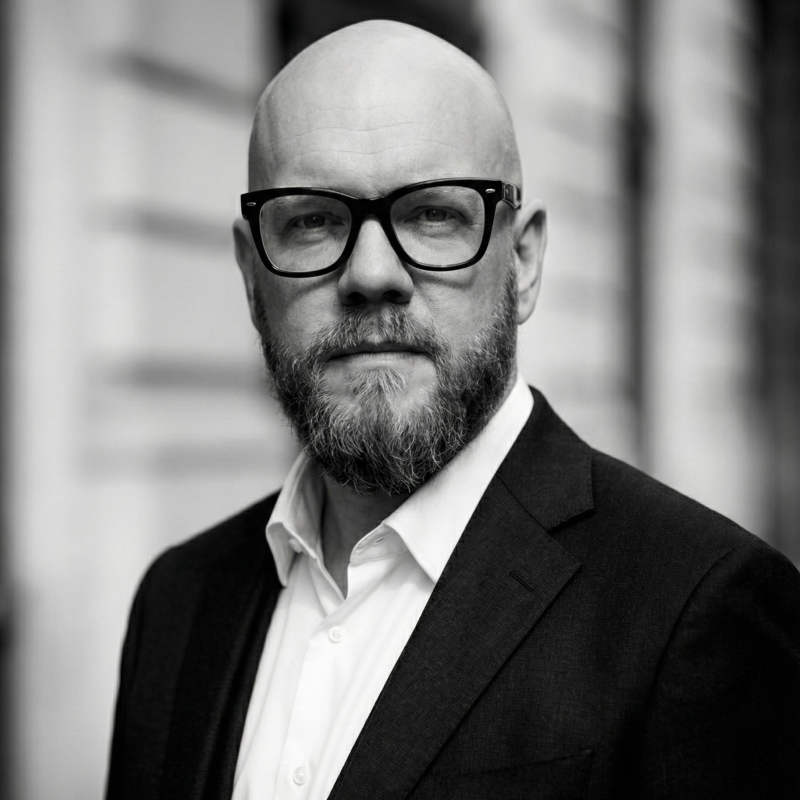
Brent Berger vs Daniel Priestley: Precision niche versus platform authority
Brent Berger runs a tight, technically sharp operation for finance and ops professionals, averaging 50 engagements per post with a 18.6% conversation index that signals real debate in the comments. Daniel Priestley operates at a different scale entirely, 140K followers, 270 avg engagements, and a 22.5% conversation index built on uncomfortable takes about policy, AI, and founder psychology. The choice between them is a choice between learning surgical niche authority versus watching a full-scale personal brand machine in motion.
Mike Duncan vs Timi Merivirta: Authority depth versus lead-gen volume
Mike Duncan builds credibility through technical precision for a small, high-stakes institutional audience. Timi Merivirta builds pipeline through repeatable systems for a broad B2B service audience. Choosing between them means choosing between depth-first positioning and volume-first distribution.
Mike Duncan vs Sakshi Tyagi: Depth versus volume on LinkedIn
Mike Duncan owns a narrow technical niche with 12 avg engagements per post and a 23.6% conversation index, meaning his small audience argues, questions, and responds like practitioners. Sakshi Tyagi runs a volume operation at 15.4 posts per week, 235 avg engagements, and 37,959 followers, built on vulnerability arcs and numbered frameworks for founders. You're choosing between a consulting pipeline and a personal brand business.
Brent Berger vs Eric Siu: Depth vs Volume on LinkedIn
Brent Berger runs a high-conviction, low-frequency game: 2,707 followers, 3.5 posts per week, but a single post pulled 886 engagements by naming a lie executives recognize instantly. Eric Siu posts 7.7 times per week to 55,634 followers and averages 12 engagements per post, winning on consistency and conversation rate (20.2%) rather than viral spikes. The choice between them is really a choice between depth-first credibility and volume-first distribution.
Brent Berger vs Mark Roberge: Provocation vs Mentorship on LinkedIn
Brent Berger runs a high-friction, low-volume game: 3.5 posts a week, 2,707 followers, but an 18.6% conversation index that beats Roberge's 12.8% by a wide margin. Roberge has 24x the audience and nearly 4x the average engagement in raw numbers, built on a mentor voice and HubSpot credibility. The choice is between a sharp niche provocateur still building and a scaled educator who has already built.
Cem Atik vs James Chalmers: Volume and virality versus peer credibility
Cem Atik built a 47,481-follower audience by packaging $2B+ ad spend experience into AI-powered frameworks with comment-driven CTAs that pull 81% conversation rates. James Chalmers posts consistently at 5.7x per week but averages 8 engagements per post with no listed follower count, suggesting he's still in early audience-building mode. The choice between them is really a choice between studying a proven distribution machine or studying a founder who writes like a peer.
Cem Atik vs Gord Reynolds: Volume and virality versus depth and trust
Cem Atik runs a content machine built for cold-traffic conversion: 15.4 posts per week, contrarian hooks, and keyword CTAs that pull 81% of engagement through comments. Gord Reynolds posts 2.8 times per week and writes recruitment announcements that read like essays on purpose, earning a 16.1% repost rate that suggests readers are sharing his words as a proxy for their own beliefs. Choose Cem if you want to build an audience fast around a tactical niche. Choose Gord if you want to be remembered.
Gord Reynolds vs Sakshi Tyagi: Depth versus volume on LinkedIn
Gord Reynolds runs a niche, high-trust recruitment channel where emotional depth turns job posts into leadership meditations. Sakshi Tyagi runs a high-velocity personal brand machine posting 15+ times weekly to 37,959 followers with tactical frameworks and vulnerable origin stories. Choose between them based on whether you need to build trust with a small, specific audience or reach and convert a broad B2B founder market.
Gord Reynolds vs Timi Merivirta: Depth vs Volume on LinkedIn
Gord Reynolds turns C-suite job posts into philosophical meditations and earns genuine emotional resonance from a small, targeted audience. Timi Merivirta posts 15.4 times a week, drives 54.3% of all engagement as comments, and has built a repeatable lead-gen machine for B2B service providers. Choosing between them is really choosing between influence through depth and influence through system.
Standy Collins vs Timi Merivirta: Credibility engine vs comment machine
Standy Collins builds authority through emotional career milestones and company announcements, averaging 69 engagements per post with almost no comment strategy. Timi Merivirta runs a comment-first lead generation machine, pulling 54.3% of all engagement as replies by pairing vulnerable question hooks with keyword CTAs. Choose Standy if you want to be known. Choose Timi if you want leads.
Cem Atik vs Jon Verbeck: Volume and virality versus trust and precision
Cem Atik runs a comment-farming machine: 47,481 followers, 461 avg engagements, and an 81% conversation index built on contrarian hooks and high-value resource drops. Jon Verbeck posts steadily at 5.8x per week to a smaller audience with avg engagement of 6 and almost no comment pull. The gap between them is effort. It's the difference between a post designed to trigger a comment and a post designed to share an opinion.
Cem Atik vs Gioia Mongelli: Volume and virality versus depth and precision
Cem Atik built a 47,481-follower machine by posting 15.4 times a week, using contrarian hooks and gated resources to pull 81% of engagement through comments. Gioia Mongelli posts 5.8 times a week to a much smaller audience, averaging 1 engagement per post, but her structural frameworks and inversion-based hooks show a clear content philosophy that could scale with distribution. The choice is between a proven growth engine you can reverse-engineer today and an early-stage voice with a sharper intellectual edge.
Gioia Mongelli vs Sakshi Tyagi: Precision versus volume on LinkedIn
Gioia builds credibility through structural frameworks and contrarian reframes aimed at B2B SaaS founders. Sakshi builds reach through high-velocity vulnerability and numbered tactical lists aimed at anyone who wants to grow on LinkedIn. The choice between them is really a choice between depth and distribution.
Gioia Mongelli vs Timi Merivirta: Depth versus distribution on LinkedIn
Gioia builds authority through structural reframes and framework-dense content aimed at founders who need to think differently. Timi builds pipeline through vulnerable question hooks and gated resources that convert 54.3% of all engagement into comments. Choosing between them is choosing between positioning as a thinker versus positioning as a system-seller.
Cem Atik vs DeVante Hill: Volume, authority, and one viral spike
Cem Atik built a repeatable comment-driven machine: 47,481 followers, 81% conversation index, and hooks that pull nearly 12,000 engagements by packaging $2B+ credentials into free resources. DeVante Hill is earlier in the build, posting 5.4x per week with emotional, peer-style content that reposts at 3.3% but averages only 41 engagements per post. The choice between them is really a choice between studying a scaled system or studying a raw, authentic voice still finding its audience.
DeVante Hill vs Sakshi Tyagi: Spike vs System on LinkedIn
DeVante Hill builds emotional authority through rare, high-impact posts that occasionally explode (2,741 engagements on one hook) but average only 41 per post. Sakshi Tyagi runs a volume-and-conversation machine, posting 15.4 times per week and pulling a 16.1% conversation index that turns followers into clients. If you want to study a viral moment, study DeVante. If you want to study a repeatable business, study Sakshi.
DeVante Hill vs Timi Merivirta: Viral spikes vs. repeatable lead machines
DeVante Hill builds emotional authority through bold, personal posts that occasionally explode (2741 engagements on one hook) but average just 41 engagements overall. Timi Merivirta runs a comment-driven lead generation engine at 54.3% conversation index, averaging 49 engagements across 200 posts at nearly 3x the weekly cadence. Study DeVante if you want a brand that feels human and occasionally goes viral. Study Timi if you want a repeatable system that books calls.
Cem Atik vs Nicky Goringe Larkin: Authority through AI tools or lived experience
Cem Atik (47K followers, 461 avg engagement) wins on reach and resource-driven conversion by packaging $2B+ ad spend into frameworks and AI tools. Nicky Goringe Larkin (169 posts analyzed, 20 avg engagement) wins on authenticity and community by anchoring every post to her rare status as a female founder in accounting. Choose Cem if you want to learn how to monetize expertise at scale. Choose Nicky if you want to learn how to build trust through consistent personal storytelling in a niche.
Nicky Goringe Larkin vs Sakshi Tyagi: Niche Authority vs Viral Reach
Nicky owns a tight niche (accounting firm recruitment) with a 21.8% conversation rate on 13 posts/week, building trust through specific UK stats and female founder narratives. Sakshi dominates reach (37,959 followers, 235 avg engagement) by mixing vulnerability with tactical frameworks at 15+ posts/week. Choose Nicky if you're building authority in a specific industry. Choose Sakshi if you're scaling personal brand across a broad audience.
Nicky Goringe Larkin vs Timi Merivirta: Authority vs Systems
Nicky builds credibility through personal storytelling and representation narratives in a niche market (accounting recruitment), posting 13x/week with 21.8% conversation rate. Timi teaches systems and frameworks to B2B service providers, posting 15x/week with 54.3% conversation rate and 15,899 followers. Choose Nicky if you're building authority in a specific industry; choose Timi if you're selling a repeatable process.
Daniel Priestley vs Marc Vermeulen: Authority through disruption or craft
Daniel Priestley (140K followers, 270 avg engagement) builds authority by naming uncomfortable truths about policy and founder risk, posting 7-8 times weekly with hooks that demand response. Marc Vermeulen (194 posts analyzed, 22 avg engagement) builds belonging through 20-year studio milestones and creative origin stories, posting 15 times weekly in Dutch and English. Choose Priestley if you want to move markets. Choose Vermeulen if you want to build community.
Eric Siu vs Marc Vermeulen: Operator vs Craftsman on LinkedIn
Eric Siu (55K followers, 12 avg engagement) teaches pattern recognition to founders and marketers through counterintuitive case studies and operating model shifts. Marc Vermeulen (194 posts analyzed, 22 avg engagement) builds belonging through 20-year studio milestones and emotional creative origin stories. They solve different problems: Eric sells speed and competitive advantage; Marc sells meaning and durability.
Marc Vermeulen vs Mark Roberge: Emotional craft beats scaling doctrine
Marc builds intimacy through 20-year design stories and emotional vulnerability (22 avg engagement, 16.7% conversation rate). Mark teaches scaling patterns to founders with hard data and direct mentorship (178 avg engagement, 64K followers). Marc wins on depth-per-post; Mark wins on reach and authority. Choose based on whether you want to build community or teach systems.
Bart Fraanje vs Mark Roberge: Vulnerability beats authority on LinkedIn
Bart Fraanje generates 113-engagement peaks through raw emotional vulnerability and poetic Dutch prose about life transitions, while Mark Roberge drives 1,822-engagement posts by teaching scaling strategy with hard data and earned credibility. They represent two opposite paths to trust: one through intimacy, one through expertise. Your choice depends on whether your audience wants to feel seen or wants to learn.
Bart Fraanje vs Daniel Priestley: Vulnerability beats authority on LinkedIn
Bart Fraanje generates 113-engagement peaks through poetic vulnerability and archaic Dutch prose about life transitions, treating LinkedIn as a personal essay platform. Daniel Priestley reaches 140K followers by opening with direct threats and policy warnings, positioning himself as a seasoned founder diagnosing risk. They're opposite strategies: one trades depth for intimacy, the other trades scale for credibility.
Eric Siu vs Nina Welt: Pattern recognition beats personal warmth on LinkedIn
Eric Siu (55K followers, 12.2 avg engagement, 7.7 posts/week) wins on reach and teaching through counterintuitive case studies. Nina Welt (36 posts analyzed, 23 avg engagement, 2.8 posts/week) wins on conversation depth and emotional resonance. The choice depends on whether you want to build an operator's playbook or a trusted mentor brand.
Daniel Priestley vs Nina Welt: Authority through disruption versus trust through vulnerability
Daniel Priestley (140K followers, 270 avg engagement) builds authority by publishing 7-8 posts weekly on policy and disruption, opening with unsettling claims that demand response. Nina Welt (36 posts analyzed, 23 avg engagement) grows through vulnerability and impact-centered milestones, anchoring professional wins in deeply human moments. They represent two opposite paths: one scales through provocation and credibility, the other through warmth and belonging.

Daniel Priestley vs Szymon Wloch: Authority vs Authenticity on LinkedIn
Daniel Priestley commands 140K followers by publishing 7.8 posts weekly with provocative, threat-based hooks that demand response (avg 270 engagements, 22.5% conversation rate). Szymon Wloch operates at 1.2K followers with long-form vulnerability and transparent business metrics, averaging 2 engagements but building deep credibility within a smaller circle. The choice depends on whether you're building mass reach through contrarian positioning or trust through radical honesty.
Mark Roberge vs Nina Welt: Scaling reach or building belonging on LinkedIn
Mark Roberge (64K followers, 178 avg engagement) teaches scaling strategy and sales leadership through pattern-based rigor earned at HubSpot. Nina Welt (36 posts analyzed, 23 avg engagement) builds trust through vulnerability and impact-centered milestones in sustainability. The choice depends on whether you want to learn systems thinking or human-centered positioning.
Eric Siu vs Szymon Wloch: Reach beats depth on LinkedIn
Eric Siu commands 55K followers with 12 avg engagements per post by teaching pattern recognition through inversion hooks and operator-focused case studies. Szymon Wloch builds trust through vulnerability and transparency (10.6% conversation rate) but reaches a smaller audience with longer storytelling. Choose Eric if you want to scale reach fast. Choose Szymon if you're building a smaller, deeper community around a specific mission.
Andrew Compton vs Cem Atik: Storytelling beats systems on LinkedIn
Andrew Compton converts 26 engagements per post into mentorship through vulnerable narrative and tactical wisdom. Cem Atik converts 461 engagements per post into lead magnets through contrarian hooks and AI frameworks. Choose Andrew if you sell services or leadership coaching. Choose Cem if you sell products, tools, or scalable systems.
Andrew Compton vs Sakshi Tyagi: Mentorship vs Movement
Andrew Compton converts 26 engagements per post into deep reader trust through vulnerable career narratives paired with protective frameworks. Sakshi Tyagi converts 235 engagements per post into follower velocity and brand authority through numbered timelines and unapologetic mindset shifts. Choose Andrew if you want to build a consulting practice. Choose Sakshi if you want to build a personal brand empire.
Andrew Compton vs Timi Merivirta: Storytelling beats systems on LinkedIn
Andrew Compton converts through emotional narrative and mentorship voice (26 avg engagement, 20% conversation). Timi Merivirta converts through gated resources and lead-gen frameworks (49 avg engagement, 54.3% conversation). Choose Andrew if you sell trust and transformation. Choose Timi if you sell templates and results.
Cem Atik vs Dillon Dao: Authority vs Intimacy on LinkedIn
Cem Atik dominates reach and comment-driven engagement (81% conversation index) by positioning himself as the insider who cracked paid media at scale. Dillon Dao trades follower count for depth, his 987 avg engagements per post come from readers who feel personally seen, not just informed. Pick Cem if you want to build a recognizable system and teach it. Pick Dillon if you want to build a movement around a belief.
Dillon Dao vs Timi Merivirta: Philosophy vs Systems on LinkedIn
Dillon Dao builds authority through vulnerable storytelling and macro-scale thinking (987 avg engagement, 2.6% conversation rate). Timi Merivirta builds revenue through gated frameworks and contrarian tactics (49 avg engagement, 54.3% conversation rate). They solve different problems: Dillon teaches you to think bigger, Timi teaches you to convert faster.
Dillon Dao vs Sakshi Tyagi: Depth versus velocity on LinkedIn
Dillon Dao trades frequency for resonance, 1.5 posts weekly with 987 avg engagement and poetic depth that speaks to founders' future selves. Sakshi Tyagi floods the feed with 15.4 posts weekly, averaging 235 engagement but converting 16.1% into conversation, proving that tactical frameworks and relentless consistency can outpace storytelling at scale. Choose based on whether you want to build a philosophy or a machine.

Disney vs Roberge: Story power beats data depth on LinkedIn
Daniel Disney dominates reach (174K followers, 1397 avg engagement) by weaponizing personal failure stories that flip conventional wisdom. Mark Roberge builds deeper conversation (12.8% CI vs Disney's 4%) through rigorous pattern analysis and founder-specific scaling advice. Choose Disney to learn storytelling that moves crowds. Choose Roberge to learn thinking that moves strategy.
Disney vs Priestley: Story power beats policy reach on LinkedIn
Daniel Disney (174K followers, 1397 avg engagement) wins through narrative contrast and emotional vulnerability—he tells hiring stories that flip conventional wisdom and force readers to scroll. Daniel Priestley (140K followers, 270 avg engagement) builds authority through contrarian policy takes and founder credibility, but his lower engagement suggests his audience is smaller and more niche. Choose Disney if you want reach and shareability; choose Priestley if you want to position yourself as a rare truth-teller in a specific domain.

Andy Paul vs Daniel Disney: Philosophy versus storytelling on LinkedIn
Andy Paul wins on reach (188K followers, 66 avg engagement) by leading with provocative contrarian takes that challenge sales dogma. Daniel Disney wins on conversation depth (1397 avg engagement, 4% conversation index) by grounding every lesson in a brutally honest hiring or management story. Choose Andy if you want to build authority through intellectual combat. Choose Daniel if you want to build trust through vulnerability.
Andy Paul vs Daniel Priestley: Depth beats breadth on LinkedIn
Andy Paul (188K followers, 66 avg engagement) owns sales philosophy through relentless paradox hooks and specific war stories. Daniel Priestley (140K followers, 270 avg engagement) dominates reach by posting 7.7x weekly on policy and disruption, hitting 1000+ engagement spikes. Choose Andy if you want to build deep authority in one niche. Choose Daniel if you want maximum visibility across multiple audiences.
Andy Paul vs Mark Roberge: Provocation versus Pattern
Andy Paul (188K followers, 66 avg engagement) wins through combative contrarian hooks that challenge sales dogma directly. Mark Roberge (64K followers, 178 avg engagement) wins through data-backed pattern recognition and casual authority. Andy builds reach through provocation; Mark builds trust through rigor. Pick Andy if you want to learn how to weaponize contradiction. Pick Mark if you want to learn how to teach from lived experience.
Andy Paul vs Eric Siu: Paradox hooks beat pattern interrupts on LinkedIn
Andy Paul (188K followers, 66 avg engagement) dominates through provocative contrarian takes that challenge sales dogma directly. Eric Siu (55K followers, 12 avg engagement) posts 7.7x per week with operator-focused case studies on AI and marketing ops. Andy wins on reach and conversation depth; Eric wins on consistency and tactical density.

Bartek Pucek vs Eric Siu: Curator vs Operator on LinkedIn
Bartek Pucek (27K followers, 169 avg engagement) wins through borrowed authority—he amplifies founder voices and investor narratives, letting famous names do the persuasion work. Eric Siu (55K followers, 20.2% conversation rate) wins through pattern interruption—he inverts conventional wisdom with operator case studies that teach readers to see shifts before they're obvious. Pick Bartek if you want to build credibility through curation. Pick Eric if you want to build a teaching practice through experimentation.

Bartek Pucek vs Nathan Barry: Curator vs Founder on LinkedIn
Bartek Pucek (27K followers, 169 avg engagement) wins through borrowed authority—he amplifies founder and investor voices to build credibility without self-promotion. Nathan Barry (43K followers, 72 avg engagement) wins through narrative depth—he trades raw engagement for conversation (19.7% vs 7%) by sharing behind-the-scenes team stories. Choose Bartek if you want to build a signal-first reputation in a niche. Choose Nathan if you want to deepen relationships with a smaller, more loyal audience.

Bartek Pucek vs Kipp Bodnar: Curator beats announcer on LinkedIn
Bartek Pucek amplifies founder narratives and borrowed authority to build trust with 27K followers posting 5.2x/week at 169 avg engagement. Kipp Bodnar announces HubSpot products with casual emoji-forward voice to 30K followers posting 3.8x/week at 513 avg engagement—3x higher per post. Bartek wins on signal and positioning; Kipp wins on conversion velocity and product-driven reach.

Mark Roberge vs Simon Sinek: Depth beats reach on LinkedIn
Simon Sinek owns scale (8.8M followers, 7543 avg engagement) through philosophy-first posts that invert familiar concepts. Mark Roberge builds trust at smaller scale (64K followers, 178 avg engagement) by backing every claim with 10+ years of data and lived experience. Choose Sinek if you want to reach millions with timeless ideas. Choose Roberge if you want to teach operators something they can actually execute Monday morning.
Eric Siu vs Simon Sinek: Operator tactics beat philosophy at scale
Eric Siu posts 7.7x per week to 55K followers with 12 avg engagements per post, teaching AI adoption and marketing operations through pattern-interrupt hooks backed by real case studies. Simon Sinek posts 5.8x per week to 8.8M followers with 7543 avg engagements, teaching leadership philosophy through semantic inversions and video. The difference: Siu builds for builders; Sinek builds for thinkers. Choose based on whether your audience wants to move faster or think deeper.
Priestley vs Sinek: Disruption beats philosophy on LinkedIn growth
Daniel Priestley (140K followers, 270 avg engagement) wins through provocative, founder-specific claims that demand response. Simon Sinek (8.8M followers, 7543 avg engagement) wins through semantic inversions that feel universally true. Priestley builds urgency; Sinek builds permission. Choose based on whether your audience needs to feel unsettled or understood.
Kipp Bodnar vs Nathan Barry: Product announcer versus founder storyteller
Kipp Bodnar (HubSpot CMO, 30K followers) wins on raw engagement by anchoring posts to product launches and counterintuitive stats, averaging 513 engagement with spikes to 11,700. Nathan Barry (Kit founder, 43K followers) wins on conversation depth and consistency, posting 7.6x per week with a 19.7% conversation index that signals real dialogue over passive consumption. Choose Kipp if you're selling something. Choose Nathan if you're building thought leadership.
Kipp Bodnar vs Mark Roberge: Product announcer beats mentor on reach
Kipp Bodnar (30K followers, 513 avg engagement) wins through short-form product reveals and stat-driven hooks that spike 2x his baseline. Mark Roberge (65K followers, 178 avg engagement) builds deeper trust through scaling wisdom and mentorship, but trades raw reach for conversation quality (12.8% vs 7.8%). Choose Kipp if you're selling something. Choose Mark if you're teaching something.

Arvid Kahl vs Nathan Barry: Micro-posts versus narrative authority
Arvid Kahl wins on consistency and vulnerability—88% of his posts are under 30 words, posted 7.1 times per week with a 18.1% conversation rate. Nathan Barry wins on reach and narrative depth—43K followers, 72 avg engagements per post, and a 19.7% conversation rate built on behind-the-scenes storytelling. Choose Arvid if you're building a product and need to prove founder psychology. Choose Nathan if you're building a personal brand and need to prove access.
Eric Siu vs Kipp Bodnar: Operator vs Announcer on LinkedIn
Eric Siu (55K followers, 12 avg engagement, 20.2% conversation rate) teaches pattern recognition through contrarian case studies posted 7.7x per week. Kipp Bodnar (30K followers, 513 avg engagement, 7.8% conversation rate) announces product launches with casual emoji-forward hooks that drive massive spikes but minimal discussion. One builds thinking. One builds awareness.
Arvid Kahl vs Kipp Bodnar: Micro-posts vs product launches
Arvid Kahl builds trust through founder vulnerability at 7 posts/week with 9 avg engagements per post. Kipp Bodnar commands 30K followers and 513 avg engagements by announcing HubSpot features with casual authority. Arvid owns the indie founder audience; Kipp owns the enterprise buyer. Pick based on your audience size and whether you're selling to individuals or institutions.
Arvid Kahl vs Eric Siu: Vulnerability vs Pattern Recognition
Arvid Kahl (5K followers) wins on conversation depth (18.1% index) by opening with founder vulnerability and zooming to universal truths. Eric Siu (55K followers) wins on reach and pattern-interrupt authority by inverting conventional wisdom with real operating model proof. Pick Arvid if you're building a tight founder community. Pick Eric if you're scaling to operators who want to move faster.
Eric Siu vs Nathan Barry: Pattern recognition beats storytelling on LinkedIn
Eric Siu (55K followers, 12 avg engagement) wins on reach and consistency by teaching pattern recognition through inversion hooks backed by operating model shifts. Nathan Barry (43K followers, 72 avg engagement) wins on depth by grounding founder lessons in vivid team stories that spark conversation. Choose Siu if you want to build an operator's brain. Choose Barry if you want to build a community.
Mark Roberge vs Nathan Barry: Reach versus conversation on LinkedIn
Mark Roberge wins on raw reach and engagement volume (64K followers, 178 avg engagements per post) by teaching scaling strategy with earned authority. Nathan Barry trades volume for conversation depth (19.7% conversation index vs Mark's 12.8%) by sharing founder stories and culture lessons from his 102-person team. Choose Mark if you want to build thought leadership through pattern-based teaching; choose Nathan if you want to build community through vulnerability and behind-the-scenes access.

Priestley vs McKee: Authority through disruption versus connection through vulnerability
Daniel Priestley builds 140k followers by positioning himself as a seasoned founder warning about macro threats (tax policy, AI, market collapse), while Darren McKee builds 148k by sharing personal stories that reveal self-doubt then audacious vision. Priestley wins on reach and perceived expertise. McKee wins on comment rates (32.1% vs 22.5%) and audience loyalty. Choose Priestley if you want to establish thought leadership fast. Choose McKee if you want to build a community that actually engages.
Daniel Priestley vs Eric Siu: Authority through threat vs. authority through pattern
Daniel Priestley (140K followers, 270 avg engagement) builds authority by naming uncomfortable truths and emotional stakes—his top hook hit 2070 engagements by warning UK founders to leave. Eric Siu (55K followers, 12 avg engagement) builds authority by inverting conventional wisdom and proving it with operating model shifts—his strength is teaching pattern recognition to operators, not reaching the broadest audience. Pick Priestley if you want reach and emotional resonance. Pick Siu if you want to teach a smaller, more committed audience how to move faster.
Priestley vs Roberge: Authority through disruption versus credibility through rigor
Daniel Priestley (140K followers, 270 avg engagement) wins through emotional stakes and contrarian positioning on policy and founder psychology. Mark Roberge (65K followers, 178 avg engagement) wins through pattern-based teaching and tactical specificity on scaling and sales. Pick Priestley if you want to build a provocative personal brand. Pick Roberge if you want to teach systems people will actually implement.
Eric Siu vs Mark Roberge: Reach vs Resonance on LinkedIn
Eric Siu posts 7.7x per week with surgical pattern-interrupt hooks that teach operators how to spot market shifts, averaging 12 engagements per post but reaching 55K followers through sheer volume and consistency. Mark Roberge posts 7.5x per week with mentorship-grade depth, averaging 178 engagements per post (14.8x higher) to a 64K audience, proving that teaching from lived credential (HubSpot $100M ARR exit) converts harder than reporting trends. Choose Siu if you want to build reach through high-frequency signals. Choose Roberge if you want to build authority through depth.

Beatrice Vladut vs Mark Roberge: Personal brand teacher or scaling strategist?
Beatrice teaches founders how to build personal brands as inbound client magnets through 15 posts a week of problem-solution reframes. Mark teaches scaling and sales strategy through deeply researched insights, posting 7.5 times weekly with higher engagement per post. Choose Beatrice if you're building a founder brand from zero. Choose Mark if you're scaling a team or sales operation.

Eric Siu vs Vin Matano: Pattern recognition beats vivid storytelling on LinkedIn
Eric Siu posts 7.7x per week with surgical operator focus, averaging 12 engagements per post but commanding 20.2% conversation rate through pattern-interrupt hooks tied to real business models. Vin Matano posts 15.3x per week with vivid analogy storytelling, averaging 568 engagements per post but lower conversation depth at 15.5%. They're solving different problems: Siu teaches you to see shifts before they're obvious; Matano teaches you to feel them viscerally.

Christ Coolen vs Eric Siu: Psychology teacher or operator coach?
Christ Coolen wins on engagement depth (283 avg, 17.6% conversation) by teaching behavioral science through paradox hooks and satirical critiques—he's building a thinking community. Eric Siu wins on consistency (7.7 posts/week) and pattern-spotting for operators, using inversion hooks and case studies to flag emerging business model shifts. Pick Coolen if you want to teach psychology; pick Siu if you want to move faster.
Jakub Zajicek vs Sakshi Tyagi: Systems vs Story on LinkedIn
Jakub teaches B2B service providers to generate leads through paid systems and case studies (59 avg engagement, 26.5% conversation rate). Sakshi builds founder personal brands through vulnerability and tactical frameworks at 15x posting velocity (235 avg engagement, 37k followers). Pick Jakub if you need a repeatable lead machine. Pick Sakshi if you're building authority and audience at scale.


Dima Bilous vs Kris J. Curran: AI automation or content consistency
Dima Bilous wins on raw engagement (582 avg, 75.9% conversation rate) by teaching B2B founders to build AI sales agents with role-negation hooks and contrarian claims. Kris J. Curran wins on authenticity and founder narrative by teaching solopreneurs to ghostwrite content that sounds like them, but posts 3x less frequently and generates minimal engagement. Choose Dima if you're building a sales system. Choose Kris if you're building personal authority through consistency.

Bray Jaks vs Dima Bilous: Personal brand vs systems authority
Bray Jaks wins on reach and vulnerability-driven engagement (72 avg, 13.4K followers) by making himself the case study. Dima Bilous wins on conversation depth (75.9% CI, 582 avg engagement) by teaching role evolution and AI workflows with proof numbers. Choose Bray if you sell services through personal trust. Choose Dima if you sell products or systems backed by case studies.


Barry Rodrigues vs Emma Weber: Depth beats frequency on LinkedIn
Barry Rodrigues (18.6K followers, 88 avg engagement) builds a tight community around fractional CMO services by leading with vulnerability and stopping at 0.8 posts/week—each one engineered for high-signal conversation. Emma Weber (18.3K followers, 27 avg engagement) posts 15.3 times weekly on AI and learning, casting a wider net but diluting engagement per post by 70%. The choice depends on whether you're optimizing for depth-first relationship building or breadth-first thought leadership.


Kathy Svetina vs Stijn Feijen: Depth beats volume on LinkedIn
Kathy Svetina converts 31.8% of engagement into comments by solving founder pain with empathy and specificity. Stijn Feijen achieves 77.5% conversation rate by leading with shocking numbers and proof-driven systems. One teaches you to build trust through relatable frustration; the other builds it through repeatable results.

Barry Rodrigues vs Vikash Kumar: Community vs Conversion
Barry builds relationships through vulnerability and founder-level authenticity (88 avg engagement, 12% conversation rate), positioning himself as a peer connector. Vikash builds urgency through bold disruption claims and AI automation walkthroughs (862 avg engagement, 55.5% conversation rate), positioning himself as a shortcut provider. Choose Barry if you're selling trust and access. Choose Vikash if you're selling replacement and speed.

Barry Rodrigues vs Diksha Burnwal: Community builder or personal brand architect
Barry Rodrigues converts 0.8 posts/week into 88 avg engagement by leading with vulnerability and community events, positioning himself as a peer founder. Diksha Burnwal fires 15.4 posts/week at 80 avg engagement by teaching founders to build visible personal brands through contrarian storytelling. Choose Barry if you want to build a tight, high-trust network around a service. Choose Diksha if you want to scale founder visibility into a category-defining position.
Kathy Svetina vs Timi Merivirta: Depth beats speed on LinkedIn
Kathy Svetina converts 31.8% of engagement into comments by teaching finance ops through founder pain points and system design. Timi Merivirta posts 15.4x per week and converts 54.3% into comments using vulnerable questions and gated resources. Kathy wins on depth and voice; Timi wins on volume and funnel mechanics. Choose based on whether you need to build authority or generate leads fast.

Kathy Svetina vs Orlando Belfor: Depth beats breadth on LinkedIn
Kathy Svetina converts 31.8% of engagement into comments by solving one problem obsessively (finance ops for startups), while Orlando Belfor builds 7.5x more total engagement (180 vs 24 avg) by telling vulnerable personal stories across multiple causes. Choose Kathy if you want to own a niche. Choose Orlando if you want to build community at scale.


Angela Snyder vs Jacob Pegs: Vulnerability beats volume on LinkedIn
Angela Snyder (56K followers, 167 avg engagement) builds authority through selective vulnerability and tactical LinkedIn advice, posting 2.2x per week with a 30.9% conversation rate. Jacob Pegs (53K followers, 276 avg engagement) floods the feed with 12.3 posts weekly, relying on raw personal narrative and business wins to drive 46.8% conversation. The choice depends on whether you want to teach through restraint or scale through relentless storytelling.
Christ Coolen vs Jacob Pegs: Niche Authority vs Solopreneur Grind
Christ Coolen wins on engagement-per-post (283 avg) and conversation depth (17.6% CI) by posting 2.2x/week with high-friction problem-solution content in Dutch. Jacob Pegs wins on volume and vulnerability, posting 12.3x/week with 46.8% conversation rate by leading with personal sacrifice narratives. Choose Coolen if you want to build authority in a specific niche; choose Pegs if you want to scale through relentless personal storytelling and low-ticket offers.


Josh Bereano vs Michele Torti: Data reporter or agency coach?
Josh Bereano (31K followers, 53 avg engagement) posts weekly as a data-first executive briefer, leading with shocking AI industry metrics that invite scrutiny. Michele Torti (32K followers, 129 avg engagement) posts 9x per week as an agency roadmap teacher, using bold problem-solution formats and comment CTAs to funnel readers into gated content. Choose Bereano if you want to learn how to position yourself as an insider with access to boardroom-level intelligence. Choose Torti if you want to learn how to build a high-conversion sales machine on LinkedIn.

Josh Bereano vs Vitalii Dodonov: Data-first vs Hiring-first LinkedIn
Josh Bereano wins on surgical precision: 1 post/week, 53 avg engagement, but his statistic-shock hooks command boardroom attention with zero fluff. Vitalii Dodonov wins on volume and conversation: 15.4 posts/week, 82 avg engagement, 14.3% conversation index, but his hiring announcements (3% of posts) outperform his core content 2.8x, suggesting his real engine is recruitment theater, not founder lessons. Choose Josh if you want to sound like a CEO. Choose Vitalii if you want to build a hiring brand.

Josh Bereano vs Liam Darmody: Data-first vs story-first LinkedIn
Josh Bereano posts once weekly with surgical precision, leading with shocking statistics that reframe industry consensus to a 31K executive audience. Liam Darmody posts 15 times per week with relatable leadership stories, generating 12x higher engagement (642 vs 53 avg) and a 24% conversation rate. Choose Josh if you want to build authority through numbers. Choose Liam if you want to build community through connection.

Debajyoti Jena vs Vitalii Dodonov: Community builder beats thought leader
Debajyoti Jena trades traditional engagement metrics for massive comment volume (75% conversation index, 5,066 comments on top post) by building WhatsApp communities and asking readers to comment 'ADD'. Vitalii Dodonov posts 15x weekly with hiring announcements that outperform his core content 2.8x, but averages only 82 engagements per post. For someone choosing who to learn from: Debajyoti wins if you want to build a recruiting funnel. Vitalii wins if you want to scale founder credibility through hiring.
Kris J. Curran vs Stijn Feijen: Authority vs Automation on LinkedIn
Kris J. Curran builds slow, deep authority through ghostwritten storytelling (4 avg engagement, 35.5% conversation rate). Stijn Feijen builds fast, viral reach through AI-powered volume and shocking claims (425 avg engagement, 77.5% conversation rate). Choose Curran if you're selling high-ticket services. Choose Feijen if you're selling products or building a content business.
Bray Jaks vs Kris J. Curran: Vulnerability beats authority on LinkedIn
Bray Jaks converts 72 avg engagements per post through self-deprecating vulnerability and algorithm hacks, while Kris J. Curran drives 4 avg engagements with credibility-first ghostwriting strategy. The gap reveals a hard truth: LinkedIn rewards emotional risk and struggle over polish and authority. Choose based on whether your audience needs permission to be human (Bray) or proof that consistency compounds (Kris).

Kris J. Curran vs Mark A. Pfister: Teaching Through Stories vs Teaching Through Celebration
Kris J. Curran builds authority by teaching solopreneurs how to write authentic LinkedIn content through counterintuitive insights and story extraction. Mark A. Pfister builds authority by celebrating his program graduates, creating social proof at scale. One teaches you to think differently about content. The other teaches you to build community through recognition.


Shoaib Ahmed vs Tim Keen: Vulnerability beats metrics on LinkedIn
Shoaib Ahmed (63k followers, 174 avg engagement) wins through intimate storytelling and contrarian psychology—he opens with unhinged personal details then reveals systems. Tim Keen (63k followers, 168 avg engagement) dominates conversation (76.6% vs 46%) by anchoring every post to a specific outcome metric then flipping to a problem statement. Choose Shoaib if you're building personal brand authority. Choose Tim if you're selling a product or service.
Beatrice Vladut vs Shoaib Ahmed: Volume beats intimacy on LinkedIn
Beatrice wins on reach and consistency (65K followers, 15 posts/week, 527 avg engagement) by teaching positioning through problem-solution frameworks. Shoaib wins on conversation depth (46% conversation index vs 27%) by leading with unhinged personal details that feel earned. Choose Beatrice if you want systematic content production. Choose Shoaib if you want to build parasocial trust fast.

John Hu vs Shoaib Ahmed: Reach versus conversation on LinkedIn
John Hu dominates raw reach (65K followers, 238 avg engagement) by documenting founder wins and landing high-profile meetings, then teaching the tactics. Shoaib Ahmed trades volume for depth (63K followers, 46% conversation index) by opening with unhinged personal metrics, then revealing the system. Choose John if you want to scale influence through credibility by association. Choose Shoaib if you want to build a smaller, more engaged community that actually responds.


Ariel Cohen vs Simone Levie: Systems vs Stories on LinkedIn
Ariel Cohen wins on conversion velocity and system clarity—his 48.9% conversation rate comes from high-friction CTAs paired with specific result claims ($100K in 90 days). Simone Levie wins on emotional resonance and consistency—her 64% conversation rate and 3.5 posts/week cadence come from treating AI tools as characters and sharing personal pivots as teaching moments. Pick Ariel if you want to build a repeatable lead funnel. Pick Simone if you want to build an audience that trusts your thinking.

Ariel Cohen vs Koka Sexton: Depth beats volume on LinkedIn
Ariel Cohen posts 1.8 times per week and converts 48.9% of viewers into commenters through high-friction CTAs tied to specific results ($100K in 90 days). Koka Sexton posts 15.2 times per week but averages 51 engagements per post with a 10.5% conversation rate. The choice depends on whether you want to build a conversion machine or maintain constant visibility.

Ariel Cohen vs Peter Quadrel: Conversion vs Consistency on LinkedIn
Ariel Cohen (39.9K followers, 375 avg engagement) dominates conversation rate (48.9%) through high-friction CTAs and urgent result claims, converting posts into booked calls. Peter Quadrel (38K followers, 135 avg engagement) posts 2.3x more frequently (4.2/week) with technical depth on Meta ads, trading peak engagement for predictable weekly output. Choose Ariel if you want to learn LinkedIn-as-pipeline; choose Peter if you want to understand how to build authority through consistent, detailed breakdowns.
Jill Konrath vs Rutger Bregman: Volume beats depth on LinkedIn
Jill Konrath wins raw reach with 15.2 posts/week and 361K followers, building a cheerleader brand around sales wins and women in tech. Rutger Bregman sacrifices volume (2.1 posts/week) for 24x higher engagement per post (1247 vs 52), using moral urgency and institutional proof to mobilize action. Choose Jill if you want to build a supportive community at scale. Choose Rutger if you want to move fewer people much deeper.

Lara Acosta vs Rutger Bregman: Personal wins vs moral urgency on LinkedIn
Lara Acosta (330k followers, 2,219 avg engagements) wins on reach and conversation by mixing vulnerable personal stories with actionable business lessons, posting 15.4 times per week. Rutger Bregman (319k followers, 1,247 avg engagements) trades volume for depth, posting 2.1 times weekly with moral clarity on AI ethics and corporate accountability. Choose Lara if you're building a personal brand around self-improvement; choose Rutger if you're mobilizing action on systemic problems.
Bray Jaks vs Stijn Feijen: Vulnerability beats volume on LinkedIn
Bray Jaks converts 72 avg engagements into 49.9% conversation by weaponizing personal failure and self-deprecation. Stijn Feijen converts 425 avg engagements into 77.5% conversation by leading with shocking numbers and proof-driven systems. Choose Bray if you're building personal brand authority through trust. Choose Stijn if you're selling a repeatable, automated process.

Josh Braun vs Rutger Bregman: Volume beats depth on LinkedIn
Josh Braun posts 15.4 times per week with 98 avg engagements and builds trust through casual, relatable sales stories. Rutger Bregman posts 2.1 times per week but pulls 1247 avg engagements per post by weaponizing moral urgency and institutional credibility. Choose Josh if you want to build a loyal community at scale. Choose Rutger if you want fewer, bigger moments that move people to action.
Bray Jaks vs Orlando Belfor: Vulnerability or Storytelling for LinkedIn Growth
Bray Jaks weaponizes self-deprecation and LinkedIn mechanics to drive 72 avg engagements with a 49.9% conversation rate—he teaches personal brand builders how to convert connections into clients through contrarian takes and direct messaging. Orlando Belfor tells deeply personal stories about hiring and diversity to drive 180 avg engagements but with only a 19.8% conversation rate—he builds community by naming real people and moments, not tactics. Choose Bray if you want to learn LinkedIn strategy; choose Orlando if you want to learn how to build trust through humanity.
Bray Jaks vs Mark A. Pfister: Vulnerability beats congratulations on LinkedIn
Bray Jaks converts 72 engagements per post through raw vulnerability and contrarian takes, while Mark A. Pfister averages 20 engagements despite 7x higher posting volume. The difference: Bray builds community by admitting failure; Pfister builds credibility by celebrating others. One creates conversation. One creates pipeline.
Christ Coolen vs Vin Matano 🐝: Niche depth beats posting volume
Christ Coolen owns a narrow, high-intent niche (AI ethics) with 283 avg engagement and 17.6% conversation rate on 2.2 posts/week. Vin Matano floods the feed with 15.3 posts/week, averaging 568 engagement but diluting conversation to 15.5%. Choose Coolen if you want to build authority in a specific domain. Choose Vin if you want to test what sticks through volume and speed.
Angela Snyder vs Christ Coolen: Vulnerability beats formatting on LinkedIn
Angela Snyder (56K followers, 167 avg engagement) builds authority through personal rejection stories and direct advice, while Christ Coolen (55K followers, 283 avg engagement) uses bold formatting and curiosity gaps to drive higher per-post engagement. Angela wins on conversation depth (30.9% CI vs 17.6%), Christ wins on raw engagement numbers—but they're solving for different outcomes.

Patrick Bet-David vs Tibor Olgers: Scale versus Conversation
Personal Development for ProfessionalsPatrick Bet-David reaches 382K followers with 1481 avg engagement per post by anchoring every piece to numbered lists and emotional identity (fathers, leaders, builders). Tibor Olgers builds a 22K-person community with 7.9% conversation rate by rejecting normalized behaviors and positioning readers as outliers. Patrick wins on reach and repost velocity. Tibor wins on comment depth and philosophical resonance. The choice depends on whether you want to scale fast or build a tight, engaged tribe.

Christ Coolen vs John Peslar: Niche depth beats posting volume
Christ Coolen owns a smaller, highly engaged niche (55K followers, 17.6% conversation rate) by writing in Danish about AI ethics with visual hooks that stop scrolls. John Peslar scales faster (57K followers, 71.7% conversation rate) by posting 7x more frequently with competitor-threat openers and ROI numbers that create urgency. Choose Coolen if you want to build a tight community around a contrarian idea. Choose Peslar if you want to test rapid iteration and FOMO-driven growth.

Hana Jacover vs Patrick Bet-David: Volume vs Depth on LinkedIn
Personal Development for ProfessionalsHana publishes 13.8 posts per week to 4.8K followers, averaging 74 engagement through coaching clarity and misconception-busting. Patrick posts 2.2 times weekly to 382K followers, averaging 1481 engagement through numbered lists and emotional storytelling about leadership and fatherhood. They represent two opposite paths: Hana builds authority through consistency and teaching precision; Patrick builds influence through rare, high-impact posts that reframe values.
Patrick Bet-David vs Vitalii Dodonov: Scale vs Conversation on LinkedIn
Personal Development for ProfessionalsPatrick Bet-David wins on reach and repost velocity (1481 avg engagement, 4.8% repost rate) by using numbered-list authority hooks and emotional storytelling at low frequency. Vitalii Dodonov sacrifices reach for conversation depth (14.3% conversation index vs Patrick's 5.1%) by posting 7x more often with confession-and-reframe tactics. Choose Patrick if you want to build prestige through principle. Choose Vitalii if you want to build community through vulnerability and hiring transparency.

Jakub Zajicek vs Mark Tweed: Systems vs Stories on LinkedIn
Jakub Zajicek wins on reach and consistency, posting 5.1x per week with problem-solution hooks that average 59 engagements and repeat what works. Mark Tweed wins on depth and trust, posting 1.6x per week with timeline-reversal stories that feel like peer wisdom, not sales tactics. Choose Jakub if you need a repeatable lead-gen machine. Choose Mark if you're building personal authority and long-term credibility.
Genieke Hertoghs vs Mark Tweed: Psychology vs Sales Philosophy
Genieke Hertoghs drives 2.5x higher engagement (108 avg) through contrarian neuroscience hooks and Dutch authenticity, posting 3.6x more frequently. Mark Tweed builds deeper conversation (25.6% vs 17.6%) with fewer posts (1.6/week) by using timeline reversals and career-pivot storytelling. Choose Genieke for reach and intellectual authority. Choose Mark for trust and qualified leads.
Orlando Belfor vs Timi Merivirta: Story vs System on LinkedIn
Orlando Belfor wins on conversation depth and human connection—19.8% of his audience comments, often with personal stories about hiring and representation. Timi Merivirta wins on conversion velocity and system repeatability—54.3% comment rate on gated resources, 15.4 posts/week, targeting B2B lead gen. Choose Orlando if you sell trust and community. Choose Timi if you sell frameworks and results.
Orlando Belfor vs Stijn Feijen: Community vs Conversion on LinkedIn
Orlando builds 19.8% conversation through vulnerable storytelling about hiring and identity. Stijn builds 77.5% conversation through proof-driven AI automation systems. They're solving opposite problems: Orlando deepens human connection, Stijn compresses production time. Choose based on whether your audience needs to feel seen or needs to move faster.
Mark A. Pfister vs Orlando Belfor: Scale or Conversation—which LinkedIn path wins?
Mark A. Pfister builds authority through celebration—spotlighting graduates and positioning himself as a champion of board directors. Orlando Belfor builds community through vulnerability—telling deeply personal stories about hiring, identity, and representation. Mark scales reach with consistency; Orlando converts followers into active participants. The choice depends on whether you want passive admiration or active dialogue.
Stijn Feijen vs Timi Merivirta: Volume Play vs Conversion Machine
Stijn Feijen wins on raw engagement velocity (425 avg per post, 77.5% conversation rate) by teaching AI-powered content automation to solopreneurs with shocking volume claims and proof-heavy systems. Timi Merivirta wins on consistency and conversion (15.4 posts/week, 54.3% conversation rate) by teaching B2B lead gen through vulnerable questions and gated resources. Choose Stijn if you want to learn how to create at scale. Choose Timi if you want to learn how to convert at consistency.


Andrew Ng vs Reid Hoffman: Volume beats depth on LinkedIn
Andrew Ng reaches 2.5M engineers with 4,246 avg engagements per post by solving concrete problems in real time (outdated APIs, job market shifts, no-code barriers). Reid Hoffman reaches 2.8M with only 551 avg engagements but converts at 18% conversation rate by anchoring abstract AI concepts to specific creative experiments. Choose Ng if you want reach and action. Choose Hoffman if you want depth and thought leadership.

Reid Hoffman vs Steven Bartlett: Theory vs Vulnerability at Scale
Reid Hoffman (2.7M followers, 551 avg engagement) teaches through intellectual curiosity and concrete AI experiments, collapsing abstract concepts into playable examples. Steven Bartlett (3.1M followers, 8967 avg engagement) teaches through personal confession and emotional micro-moments, turning life events into universal business truths. Choose Hoffman if you want to build thought leadership in emerging tech. Choose Bartlett if you want to build a movement around vulnerability and human connection.

Oskar Moen vs Stijn Feijen: Volume beats depth on LinkedIn
Oskar Moen posts 7.7x per week and manufactures urgency through gated masterclasses, driving 143 avg engagement but a 49.6% conversation rate. Stijn Feijen posts 2.4x per week with proof-heavy systems, achieving 425 avg engagement and a 77.5% conversation rate. Choose Oskar for reach and lead capture velocity. Choose Stijn for reader trust and deeper engagement.
Mark A. Pfister vs Stijn Feijen: Celebration beats shock on LinkedIn
Mark A. Pfister builds authority through graduate spotlights and celebratory testimonials, reaching 13.5K followers with consistent 20-engagement posts. Stijn Feijen weaponizes contrarian claims and proof-stacked systems, hitting 77.5% conversation rate on just 2.4 posts/week. One plays the long game of community building; the other plays the short game of idea velocity.
Angela Snyder vs Ross Simmonds: Depth beats volume on LinkedIn
Angela Snyder posts 2.2 times per week and converts 30.9% of viewers into commenters through vulnerability-first storytelling. Ross Simmonds posts 14.7 times per week and converts 17.8% through contrarian frameworks. Angela wins on conversation depth per post. Ross wins on total reach through sheer volume. Choose Angela if you want to build trust with fewer, hotter followers. Choose Ross if you want to dominate a niche through consistent idea distribution.

Allie K. Miller vs Reid Hoffman: Insider access beats intellectual humility
Allie K. Miller wins on reach (1.6M followers) and engagement velocity by weaponizing insider access and contrarian comparisons. Reid Hoffman wins on depth and founder credibility (2.7M followers) by anchoring abstract AI concepts to concrete creative experiments. Choose Allie if you want to build authority fast through pattern-sharing. Choose Reid if you want to build trust through thoughtful reframing.
Angela Snyder vs John Peslar: Vulnerability beats urgency on LinkedIn
Angela Snyder builds authority through personal rejection stories and mindset shifts (56K followers, 30.9% conversation rate, 2.2 posts/week). John Peslar drives urgency through competitor threats and AI ROI numbers (57K followers, 71.7% conversation rate, 15.4 posts/week). Angela owns the trust game. John owns the action game.
Angela Snyder vs Vin Matano: Vulnerability beats volume on LinkedIn
Angela Snyder (56K followers, 2.2 posts/week) builds trust through rejection stories and direct advice, converting casual readers into engaged community members with a 30.9% conversation index. Vin Matano (55K followers, 15.3 posts/week) floods the feed with analogy-driven B2B education, trading depth for reach and hitting 568 avg engagement per post. Choose Angela if you want to build a tight, loyal audience. Choose Vin if you want algorithmic dominance and thought leadership at scale.


Jesse Geul vs jessie van breugel: Controversy vs Systems
Jesse Geul wins on reach and debate-sparking (104K followers, 2019 engagements on his top post) by naming hypocrisy and flipping recruitment wisdom. Jessie van Breugel wins on conversion and consistency (68.1% conversation rate, 633 avg engagement across 200 posts) by teaching lead gen systems and anchoring every post to a free playbook. Choose Jesse if you want to build authority through bold takes. Choose Jessie if you want to build a funnel.
Allie K. Miller vs Andrew Ng: Insider access beats product launches
Allie K. Miller converts 1.6M followers into 568 avg engagements by trading on insider access and contrarian reframes. Andrew Ng converts 2.5M followers into 4,246 avg engagements by solving problems in the same post and shipping tools immediately. The difference: Allie builds belief; Andrew builds action.

Andrew Ng vs Eric Partaker: Reach versus Conversation on LinkedIn
Andrew Ng reaches 2.5M engineers with problem-solution posts that collapse awareness into action, averaging 4,246 engagements per post. Eric Partaker builds deeper conversation with 1.2M followers through 8+ weekly numbered-list posts anchored in character wisdom, achieving a 17.1% conversation index versus Ng's 5.1%. The choice depends on whether you want viral reach or loyal dialogue.

Jesse Geul vs Noah Kagan: Contrarian Dutch recruiter beats American founder on engagement
Jesse Geul (104K followers, 345 avg engagement) wins on conversation depth and contrarian positioning within a tight niche. Noah Kagan (107K followers, 367 avg engagement) scales through vulnerability + credential flip and posts 4x more frequently. Jesse's strategy: own one debate and dominate it. Noah's strategy: own many debates and win through volume.
Andrew Ng vs Steven Bartlett: Problem-solving versus storytelling at scale
Andrew Ng (2.5M followers, 4,246 avg engagement) wins through direct problem-solution posts that collapse awareness into action—he names a specific technical friction, solves it in the same post, then ships the tool. Steven Bartlett (3.1M followers, 8,967 avg engagement) wins through emotional micro-moments that normalize vulnerability, then extract a teachable insight. Choose Ng if you sell solutions to engineers. Choose Bartlett if you sell transformation to leaders.

Jesse Geul vs Suleiman Najim: Controversy vs Efficiency on LinkedIn
Jesse Geul wins through contrarian provocation in a niche audience (104K followers, 16.3% conversation rate), while Suleiman Najim scales through cost-replacement hooks that convert at 54.2% conversation rate across 110K followers. Choose Jesse if you're building thought leadership in a specific culture; choose Suleiman if you're selling a solution and need comment-driven proof.


Leah Dillon vs Richard van der Blom: Niche depth beats algorithmic breadth
Leah Dillon owns a tight niche (recruiting red flags, job search anxiety) with 11.8% conversation rate on 253K followers. Richard van der Blom chases algorithmic trends across 266K followers with 28.5% conversation but posts 15x per week. Leah's strategy wins for building trust in a specific pain. Richard's strategy wins for maximizing algorithmic visibility and reach.

Chamath vs Leah: System Critique Beats Red-Flag Warnings on LinkedIn
Chamath Palihapitiya builds authority through vulnerable personal stories paired with systemic analysis, averaging 544 engagements per post across 200 analyzed pieces. Leah Dillon drives higher conversation ratios (11.8% vs 6%) with fewer posts (3.2/week vs 15.4/week) by naming specific job-search pain points. The difference: Chamath scales reach through policy-level stakes; Leah scales trust through insider protection.
Josh Braun vs Leah Dillon: Volume beats precision on LinkedIn
Josh Braun posts 15.4 times per week with 282K followers and 18.2% conversation rate, building reach through relatable sales stories and contrarian takes. Leah Dillon posts 3.2 times per week with 253K followers and 11.8% conversation rate, but owns a narrower niche (recruiting red flags) with surgical precision. Choose Josh if you want to scale reach fast. Choose Leah if you want to own a specific problem deeply.
Louis Butterfield vs Timi Merivirta: Satire or Systems
Louis Butterfield wins on viral shock value and irreverent voice (359 avg engagement, 35.3% conversation), while Timi Merivirta dominates on conversion intent and systematic lead gen teaching (54.3% conversation rate, 15.4 posts/week). Choose Louis if you want to build a personal brand through bold takes. Choose Timi if you want to teach a repeatable system and drive qualified action.

Lea Turner vs Louis Butterfield: Vulnerability at scale versus irreverence for depth
Lea Turner reaches 177K followers by normalizing solo-parent chaos through deeply personal storytelling, generating 22.3% conversation rates with 14.5 posts per week. Louis Butterfield builds 35.3% conversation depth on fewer posts (3.3/week) by weaponizing profane platform critique and self-deprecating failure admissions. Choose Lea for reach and permission-giving; choose Louis for the readers who want to laugh while learning.
Cem Atik vs Louis Butterfield: Authority vs Irreverence on LinkedIn
Cem Atik builds a 47K-follower authority play by packaging $2B+ ad spend into contrarian hooks and high-value resources, driving 81% conversation through comments. Louis Butterfield trades followers for authenticity, using profane self-deprecation and platform critique to spark 35% conversation with a fraction of the reach. Pick Cem if you want to scale an audience fast. Pick Louis if you want to build a tribe that actually trusts you.

Eduardo vs Simone: Bold Systems vs Narrative Pivots on LinkedIn
Eduardo Middleton wins on reach and engagement volume (42K followers, 820 avg engagement) by stacking contrarian hooks with AI-as-replacement positioning. Simone Levie wins on conversation depth (64% conversation index) and emotional resonance by treating tools as characters and teaching through personal pivots. Choose Eduardo if you want to scale fast through system stacking. Choose Simone if you want to build trust through vulnerability and peer positioning.

Hana Jacover vs 🍀Linda Graanoogst: Trust-building coach beats systems-exposing provocateur
Hana Jacover (4.8K followers, 79 avg engagement) wins on reach and follower trust through empowering self-discovery framing. 🍀Linda Graanoogst (6.3K followers, 225 avg engagement) wins on per-post impact and conversation through moral clarity and systems critique. The real difference: Hana builds community through questions; Linda builds authority through provocation.
Brad Ziemer vs 🍀Linda Graanoogst: Luxury Mood vs Moral Clarity
Brad Ziemer builds authority through sensory storytelling in a niche market (5,474 followers, 2 avg engagement), while Linda Graanoogst dominates conversation at scale (6,275 followers, 225 avg engagement) by naming systems and moral failures. The difference: Brad sells lifestyle escape; Linda sells truth-telling. Choose based on whether your audience wants to feel something or think differently.
Hana Jacover vs Linda Graanoogst: Volume beats depth on LinkedIn
Hana publishes 13.8 posts/week with 74 avg engagement and builds authority through question-based reframes of coaching misconceptions. Linda publishes 4.7 posts/week with 225 avg engagement and builds authority through moral clarity and systems critique. Hana wins on reach and consistency. Linda wins on conversation depth and per-post impact. Choose based on whether you want to scale output or maximize each post's resonance.
Koka Sexton vs Simone Levie: Volume vs Depth on LinkedIn
Koka Sexton posts 15 times a week with 51 avg engagement, building reach through relentless problem-solution framing. Simone Levie posts 3.5 times a week with 366 avg engagement and 64% conversation rate, winning through emotional narrative and tool-specific teaching. Choose Koka for GTM strategy scaling; choose Simone for building a tight, invested community around a specific offer.
Peter Quadrel vs Simone Levie: Technical depth or narrative trust
Peter Quadrel wins on reach and technical authority (38K followers, Meta ads expertise, 40.7% conversation rate driven by tool proofs), while Simone Levie dominates engagement velocity (366 avg engagements vs 135, 64% conversation rate) through emotional narrative and AI tool storytelling. Choose Peter if you sell to e-commerce operators; choose Simone if you teach coaches and creators.
Cem Atik vs Genieke Hertoghs: Authority vs Authenticity on LinkedIn
Cem Atik wins on reach and conversion velocity by stacking contrarian hooks with high-value resource offers, posting 15.4x per week and driving 81% conversation-index engagement. Genieke Hertoghs wins on depth and trust by leading with vulnerable, counterintuitive psychology insights in Dutch, posting 3.6x per week and building a smaller but more emotionally invested audience. Choose Cem if you want to scale fast through frameworks. Choose Genieke if you want to build a movement through authenticity.
Dima Bilous vs Timi Merivirta: AI workflows or lead-gen systems
Dima Bilous wins on engagement depth (509 avg, 76.4% conversation) by teaching AI automation to founders who want to replace entire teams. Timi Merivirta wins on volume and reach (15,899 followers, 15.4 posts/week) by teaching B2B service providers the full LinkedIn funnel. Choose Dima if you want to build; choose Timi if you want to scale fast.
Dima Bilous vs Mark A. Pfister: Viral hooks versus graduate spotlights
Dima Bilous (9,770 followers, 509 avg engagement) wins on conversion velocity and thought leadership—his contrarian hooks about AI replacing sales roles drive 76.4% conversation rates. Mark A. Pfister (13,488 followers, 20 avg engagement) trades engagement for reach and community building through repetitive congratulatory posts that celebrate program graduates. Choose Dima if you want to teach a skill and build authority. Choose Mark if you want to scale a certification program through social proof.
Genieke Hertoghs vs Lea Turner: Niche depth beats viral reach on LinkedIn
Genieke Hertoghs owns organizational psychology with 17.6% conversation rate and contrarian hooks that flip conventional wisdom. Lea Turner commands 177K followers with 22.3% engagement through vulnerability and permission-giving stories. Genieke builds intellectual authority in a tight niche; Lea builds community at scale. The choice depends on whether you want to dominate a specific field or reach the broadest possible audience.
Genieke Hertoghs vs Timi Merivirta: Psychology vs Systems
Genieke Hertoghs builds authority through contrarian psychology and personal vulnerability (108 avg engagement, 17.6% conversation rate), while Timi Merivirta drives lead generation through tactical frameworks and gated resources (49 avg engagement, 54.3% conversation rate). Choose Genieke if you're building thought leadership in a soft-skill domain. Choose Timi if you're selling B2B services and need a conversion machine.
Dima Bilous vs Oskar Moen: Automation teacher or metrics hustler?
Dima Bilous wins on engagement-per-post (509 avg) by teaching AI workflows that make readers feel competitive advantage slipping away. Oskar Moen wins on raw conversation rate (49.6%) by gating masterclasses behind comment CTAs and displaying his own metrics as proof. Pick Dima if you want to teach a skill. Pick Oskar if you want to build a comment-driven audience.
Chris Ortega vs Sakshi Tyagi: Depth beats volume on LinkedIn
Chris Ortega (37.7K followers, 27 avg engagement) builds trust through vulnerable leadership stories and operational problem-solving for CFO/CEO audiences. Sakshi Tyagi (37.8K followers, 240 avg engagement) dominates through high-volume personal narrative and LinkedIn-meta content. They're playing different games: Chris owns a niche deeply; Sakshi owns the algorithm broadly.
Chris Ortega vs Peter Quadrel: Trust vs Proof on LinkedIn
Chris Ortega (37.7K followers, 27 avg engagement) builds authority through vulnerable leadership stories and ethical positioning—he makes readers trust him. Peter Quadrel (38K followers, 135 avg engagement) dominates through product claims and technical proof—he makes readers act. Choose based on whether your audience needs to feel safe with you or needs to solve a problem fast.

Chris Ortega vs Michel Mousa: Trust vs Volume on LinkedIn
Chris Ortega (37.7K followers, 27 avg engagement) builds deep trust with CFO/CEO audiences through vulnerable leadership stories and problem-solution frameworks that feel earned. Michel Mousa (37.4K followers, 154 avg engagement) floods the feed with 15.4 posts/week, weaponizing comment-bait CTAs to turn engagement into lead magnet funnels. They're playing different games: Chris plays depth, Michel plays velocity.
John Hu vs Tim Keen: Reach versus Conversation on LinkedIn
John Hu wins on raw reach and engagement volume (238 avg, 65k followers, 15.4 posts/week) by packaging founder wins with credibility-by-association hooks. Tim Keen wins on conversation density (76.6% conversation index) by anchoring every post to a specific outcome metric and flipping immediately to a problem statement. Choose John if you want to build authority through narrative and milestone sharing. Choose Tim if you want to generate qualified replies and build a tight community.

Jay Clouse vs Tim Keen: Reach versus Conversion on LinkedIn
Jay Clouse builds broad creator audiences through relatable storytelling and frequent posts (15.4/week), while Tim Keen converts niche B2B founders with metric-anchored problem statements and surgical precision (3.8/week, 76.6% conversation rate). Choose Jay if you want to grow a personal brand. Choose Tim if you want to move specific buyers.
Beatrice Vladut vs Tim Keen: Volume beats depth on LinkedIn
Beatrice posts 15.3x per week to 65k followers with 527 avg engagement, building personal brands through vulnerable problem-solution storytelling. Tim posts 3.8x per week to 63k followers with 168 avg engagement but converts 76.6% of readers into commenters by anchoring every post to a specific outcome metric. Choose Beatrice for reach and consistency. Choose Tim for conversation density and lead-gen specificity.
Peter Quadrel vs Sakshi Tyagi: Technical depth or vulnerable storytelling
Peter Quadrel (38K followers, 40.7% conversation rate) wins through technical authority and product-focused claims that drive comment-based engagement. Sakshi Tyagi (37.8K followers, 240 avg engagement) wins through vulnerable storytelling and 3.6x higher posting frequency, trading conversation depth for reach and consistency. Choose Peter if you sell to operators; choose Sakshi if you sell to founders building personal brands.


Roel Willemse vs Todd Clouser: Cultural observer beats tactical machine
Roel Willemse wins on engagement depth (20.7% conversation rate, 475 avg engagement on signature posts) by mining cultural observation and vulnerability in Dutch. Todd Clouser wins on volume and consistency (14.4 posts/week, 24% conversation rate) by weaponizing personal narrative to teach B2B frameworks. Choose Roel if you want to build a distinctive voice. Choose Todd if you want to scale teaching.
Koka Sexton vs Peter Quadrel: Volume beats precision on LinkedIn
Koka Sexton posts 15.2x per week to 40K followers with 51 avg engagement, winning on reach and consistency through relatable problem-solution narratives. Peter Quadrel posts 4.2x per week to 38K followers with 135 avg engagement and 40.7% conversation rate, winning on depth and technical authority. Choose Koka if you need a playbook for high-volume content production; choose Peter if you need to build unshakeable expert credibility in a technical niche.
Roel Willemse vs Tibor Olgers: Conversation beats philosophy on LinkedIn
Roel wins on comment-driven growth (20.7% conversation index vs Tibor's 7.9%) by treating posts as invitations to debate. Tibor wins on viral spikes (1173 peak engagement vs Roel's 475 avg) by stacking moral certainty with list structure. Choose Roel if you want a sustainable community. Choose Tibor if you want occasional viral moments.

Alina Qasim vs Roel Willemse: Gratitude beats boldness on LinkedIn
Alina builds trust through emotional vulnerability and milestone celebration (39.2% conversation rate), while Roel generates debate through cultural critique and self-aware confession (225 avg engagement per post). Choose Alina if you're selling services to job seekers. Choose Roel if you're building a thought leadership brand and can post less frequently.
Michel Mousa vs Peter Quadrel: Volume beats depth on LinkedIn
Michel Mousa posts 15.4x per week with a 40.8% conversation rate, turning comment-bait CTAs into a lead magnet machine for coaches. Peter Quadrel posts 4.2x per week with 40.7% conversation rate, leading with product claims and proving them with frameworks for e-commerce brands. Michel wins on reach and consistency; Peter wins on depth and technical credibility.


Daniel Bustamante vs Vincent Pierri: List-building vs Authority-building
Daniel converts 63.7% of engagement into comments via gated resources and profane peer-speak, building email lists at 10.3 posts/week. Vincent builds visual authority at 4.4 posts/week with contrarian frameworks and infographics, converting followers into $1500+ subscriptions. Pick Daniel if you want rapid list growth through generosity. Pick Vincent if you want to position as a strategist and sell high-ticket.
Brad Ziemer vs Hana Jacover: Niche depth beats posting volume on LinkedIn
Brad Ziemer builds authority through ultra-short sensory storytelling in luxury real estate (5,474 followers, 2 avg engagement, zero reposts). Hana Jacover scales through high-volume problem-solution coaching content (4,839 followers, 74 avg engagement, 13.8 posts/week). Brad wins on brand coherence and positioning; Hana wins on reach and conversation velocity. The choice depends on whether you're building a lifestyle brand or an expertise brand.

Bill Gates vs Steven Bartlett: Authority versus Relatability on LinkedIn
Bill Gates converts massive reach (40M followers) into 2,117 avg engagements per post by leading with urgent problems and concrete solutions in 30-80 words. Steven Bartlett generates 8,967 avg engagements from a smaller base (3.1M followers) by opening with emotional confessions and teaching vulnerability as a leadership skill. Gates wins on scale and authority. Bartlett wins on conversation density and human connection.
Brad Ziemer vs Hana Jacover: Niche depth beats broad reach on LinkedIn
Brad Ziemer builds authority in luxury real estate through sensory-first storytelling and ultra-short posts (95% under 30 words), while Hana Jacover dominates engagement volume with problem-solution coaching content at 15 posts per week. Brad's strategy wins on brand positioning and conversation quality; Hana's wins on raw engagement numbers and audience size. The choice depends on whether you're building a premium niche brand or scaling thought leadership across a broad market.
Brad Ziemer vs Mark A. Pfister: Luxury Mood vs Program Celebration
Brad Ziemer builds authority through ultra-short sensory storytelling (95% under 30 words) in a niche market with 5.5K followers and 2% avg engagement. Mark A. Pfister scales reach through graduate spotlights and program promotion (13.5K followers, 20% avg engagement, 15.4 posts/week). They represent two opposite paths: depth-first brand positioning versus volume-first community building.
Liam Darmody vs Vincent Pierri: Volume beats depth on LinkedIn
Liam Darmody posts 15.4 times per week and averages 642 engagements per post by translating leadership concepts into relatable stories. Vincent Pierri posts 4.4 times per week, averages 188 engagements, but converts followers into $1500+ subscriptions through contrarian frameworks and visual infographics. Choose Liam if you want reach and authority. Choose Vincent if you want revenue and positioning.
Michele Torti vs Vincent Pierri: Agency vs Authority
Michele Torti (31.8k followers, 129 avg engagement) sells AI agency services by teaching positioning and first-client acquisition through aggressive problem-solution posts. Vincent Pierri (33.3k followers, 188 avg engagement) sells courses and cohorts by teaching content strategy frameworks through visual infographics and contrarian hooks. Choose Torti if you're building a service business. Choose Pierri if you're building an audience business.

Bill Gates vs Gary Vaynerchuk: Data-driven advocacy beats motivational volume
Bill Gates generates 2.3x higher engagement per post (2117 vs 926) by leading with concrete problems and specific numbers, while Gary Vaynerchuk compensates with 3x the posting volume (13.5 vs 4.3 posts/week) to drive total reach. The choice depends on whether your audience craves solutions or encouragement.
Alex Hormozi vs Allie K. Miller: Vulnerability beats insider access on LinkedIn
Alex Hormozi posts 15.4 times per week to 949K followers and averages 2913 engagements per post by ending with vulnerable questions that invite agreement. Allie K. Miller posts 4.3 times per week to 1.6M followers but averages only 568 engagements by leading with insider access and numbered tactics. The gap reveals a hard truth: raw reach means nothing without conversation velocity.
Allie K. Miller vs Eric Partaker: Insider access beats wisdom at scale
Allie K. Miller (1.6M followers, 568 avg engagement) wins on authority and reach by trading on exclusive access to AI labs and real-time insider knowledge. Eric Partaker (1.2M followers, 1420 avg engagement) wins on per-post impact and consistency by anchoring every post in character-driven leadership principles that compound over time. The choice depends on whether you want to build a niche authority brand (Allie's path) or a high-engagement mentor brand (Eric's path).

Allie K. Miller vs Matt Gray: Insider access beats systems at scale
Allie K. Miller wins on authority and reach (1.6M followers, 568 avg engagement) by trading on insider access to AI labs and contrarian reframes. Matt Gray wins on conversation velocity (24.4% CI, 1272 avg engagement) and consistency (15.4 posts/week) by packaging entrepreneurship wisdom into numbered lists. Choose Allie if you want to build thought leadership in a technical niche. Choose Matt if you want to maximize engagement and audience loyalty through sheer volume and actionable systems.
Bill Gates vs Jakub Zajicek: Global impact versus qualified leads
Bill Gates commands 40M followers by leading with urgent global problems and 30-80 word posts that generate 2,117 avg engagements. Jakub Zajicek operates at 5.1 posts/week with 59 avg engagements but converts 26.5% of readers into commenters through vulnerable questions and hyper-specific ROI case studies. Gates wins reach; Zajicek wins conversation density and sales intent.

Jalonni Weaver vs Oana Labes: Vulnerability beats metrics on LinkedIn
Jalonni Weaver (421K followers, 1470 avg engagement) wins through faith-forward vulnerability and rejection storytelling that builds permission structures for job seekers. Oana Labes (416K followers, 427 avg engagement) wins through contrarian financial education that dismantles boardroom myths. The gap reveals a fundamental LinkedIn truth: emotional permission scales faster than intellectual correction, but intellectual authority converts harder.
Tibor Olgers vs Todd Clouser: Philosophical depth beats posting frequency
Tibor Olgers (22.8K followers, 218 avg engagement) builds authority through contrarian values-driven content posted 4.5x/week, while Todd Clouser (23.5K followers, 130 avg engagement) compensates with 14.4 posts/week of self-deprecating humor and tactical frameworks. The difference: Tibor's best posts hit 1173 engagements (5x baseline) because they reframe cultural norms as sickness; Todd's consistency and 24% conversation rate create loyal followers who engage with everything, not just peaks.

Oana Labes vs Ryan Serhant: Authority through myth-busting vs lifestyle philosophy
Oana Labes builds 416K followers by dismantling financial myths CEOs believe—her 14.9% conversation rate proves readers debate her claims. Ryan Serhant reaches 397K through philosophical reframes and Netflix promotion with 2.5x higher raw engagement (1049 vs 427 avg) but lower conversation depth. Choose Oana if you teach through contrarian education. Choose Ryan if you sell lifestyle and entertainment.
Tibor Olgers vs Vitalii Dodonov: Philosophical Authority vs Founder Credibility
Personal Development for ProfessionalsTibor Olgers wins on engagement depth (5x baseline on his best posts) by rejecting cultural norms and landing philosophical mic-drops. Vitalii Dodonov wins on reach and conversation rate (14.3% vs 7.9%) by mixing hiring announcements with founder confessions. Choose Tibor if you want to build a values-driven tribe. Choose Vitalii if you want to scale founder credibility through hiring and tactical lessons.

Jayant Joshi vs Oskar Moen: Product distribution beats personal metrics on LinkedIn
Jayant Joshi wins on reach and engagement velocity (283 avg engagements, 72.8% conversation index) by packaging free AI tools and gating them behind comment CTAs. Oskar Moen builds deeper comment threads (49.6% conversation index, 1,600+ comments on top posts) by leading with his own sales metrics and inviting replication. Choose Jayant if you're selling a product or system. Choose Oskar if you're selling yourself.
Hana Jacover vs Tibor Olgers: Volume beats depth on LinkedIn
Personal Development for ProfessionalsHana publishes 13.8 posts/week with calm authority on coaching clarity, averaging 74 engagement. Tibor publishes 4.5 posts/week with contrarian Dutch-language values, averaging 218 engagement. Hana wins raw reach through frequency. Tibor wins per-post impact through philosophical depth and cultural rejection positioning.

Jasmin Alić vs Oana Labes: Volume beats depth on LinkedIn's engagement math
Jasmin Alić posts 15.4x per week and converts 39.6% of viewers into commenters through celebratory personal wins and numbered lists. Oana Labes posts 4.5x per week and converts 14.9% of viewers through contrarian financial education that challenges boardroom myths. Choose Jasmin if you're building a personal brand on platform momentum. Choose Oana if you're teaching a specific skill to a high-intent audience.


Nick Broekema vs Peep Laja: Personality beats data on LinkedIn
Nick wins on engagement per post (334 vs 189) by weaponizing vulnerability and humor to build permission for authenticity. Peep compensates with 3x the posting volume (15.4 vs 4.8 posts/week) and data-backed contrarian claims that appeal to CMOs. Choose Nick if you're selling coaching or personal services. Choose Peep if you're selling to enterprise buyers who need proof.

Lashay Lewis vs Oskar Moen: Framework Queen vs Metrics Machine
Lashay Lewis wins on reach and content systems (17.4K followers, 15.4 posts/week, BOFU frameworks). Oskar Moen wins on conversation density and lead capture (49.6% conversation index, 143 avg engagement per post, gated masterclass model). Pick Lashay if you're building a content strategy business. Pick Oskar if you're selling high-ticket B2B services and need to book calls.

Devin Reed vs Nick Broekema: Reach versus Conversation on LinkedIn
Devin Reed (99K followers, 228 avg engagement) builds reach through vulnerable storytelling tied to B2B marketing systems. Nick Broekema (89K followers, 334 avg engagement) trades volume for depth, weaponizing personality and dark humor to spark conversation with coaches and consultants. Choose Devin if you want to scale an audience fast. Choose Nick if you want to build a smaller, hotter audience that actually talks back.
Nick Broekema vs Soufyan Hamid: Personality beats frameworks on LinkedIn
Nick Broekema (89,151 followers, 334 avg engagement) wins through raw personality and vulnerability, treating LinkedIn as a permission-granting platform for authenticity. Soufyan Hamid (89,860 followers, 44 avg engagement) wins through structured problem-solving and credibility-building, treating LinkedIn as a teaching platform for technical professionals. Choose Nick if you're selling coaching or expertise through personality. Choose Soufyan if you're selling frameworks and career progression through pattern recognition.

Ophir Tal vs Oskar Moen: Storytelling vs Metrics for LinkedIn Growth
Ophir Tal builds intimacy through vulnerable storytelling and personal anecdotes, averaging 46 engagements per post across 15.4 weekly posts. Oskar Moen weaponizes concrete metrics and gated masterclasses to drive 143 average engagements with 3x higher conversation rate (49.6% vs 31.9%), posting half as often. Choose Ophir if you're building a personal brand; choose Oskar if you're optimizing for lead capture and sales velocity.
Jessie van Breugel vs Soufyan Hamid: Volume beats depth on LinkedIn
Jessie van Breugel wins on raw reach and conversion velocity through 15.4 posts/week of high-value lead magnets (68% conversation index, 633 avg engagement). Soufyan Hamid trades volume for depth, posting 5.2 times weekly with tighter, more selective content that builds authority in a narrower niche (10.6% conversation index, but 4.8% repost rate signals quality over quantity). Choose Jessie if you want to learn systems that scale fast. Choose Soufyan if you want to build credibility in a specialized field.

Mary Henderson vs Peep Laja: Depth beats volume on LinkedIn
Mary Henderson builds authority through controlled scarcity (78K followers, 5 avg engagement, 26.8% conversation) by teaching a single repeatable methodology to solopreneurs. Peep Laja dominates reach through volume and boldness (82K followers, 189 avg engagement, 15.4 posts/week) by challenging B2B SaaS orthodoxy across multiple angles. The choice depends on whether you want to own one niche deeply or build a recognizable voice across a category.
Cem Atik vs Jakub Zajicek: Authority at scale versus trust through specificity
Cem Atik dominates reach (47K followers, 461 avg engagement) by positioning himself as the insider who cracked paid media code and gives away $2B-backed frameworks. Jakub Zajicek builds deeper trust with smaller audiences (66 posts analyzed, 59 avg engagement) through vulnerable questions and hyper-specific case studies in pounds and dollars. Choose Cem if you want to learn how to build authority fast. Choose Jakub if you want to learn how to convert skeptics into clients.

Luke Shalom vs Mary Henderson: Velocity or Depth for LinkedIn Authority
Luke Shalom wins on reach and speed (76K followers, 15.4 posts/week, 253 avg engagement) by mixing personal transformation with contrarian GTM frameworks. Mary Henderson wins on conversation quality (26.8% CI vs Luke's 37.4%, but with 5 avg engagement suggesting deeper reader investment) by teaching solopreneurs how to build methodology moats. Choose Luke if you're a B2B SaaS founder chasing pipeline visibility. Choose Mary if you're a solo expert trying to appear like a category-of-one.
Jakub Zajicek vs Timi Merivirta: Paid systems vs full-funnel frameworks
Jakub teaches B2B service providers to generate leads through paid LinkedIn systems and strategic outreach, while Timi teaches the full-funnel approach from cold connection to booked call. Jakub wins on engagement per post (59 avg), but Timi wins on conversation rate (54.3% vs 26.5%) and follower growth (15,899 followers). Choose Jakub if you want to master paid ads and case study storytelling. Choose Timi if you want a complete lead generation system.

Ash Rathod vs Mary Henderson: Vulnerability beats data on LinkedIn
Ash Rathod (74k followers, 200 avg engagement, 30.3% conversation rate) wins through confessional vulnerability paired with identity reframes, posting 14.8x per week. Mary Henderson (78k followers, 5 avg engagement, 26.8% conversation rate) wins through contrarian claims backed by specific numbers, posting 4.9x per week. Choose Ash if you're building personal brand; choose Mary if you're selling methodology.
Devin Reed vs Soufyan Hamid: Story vs Structure on LinkedIn
Devin Reed (99K followers, 228 avg engagement) wins through vulnerable storytelling that builds parasocial connection at scale. Soufyan Hamid (89K followers, 44 avg engagement) wins through precision frameworks that convert niche expertise into authority. Pick Devin if you're building a personal brand. Pick Soufyan if you're teaching a specific skill to a defined audience.
Jakub Zajicek vs Lea Turner: Niche dominance beats follower count
Jakub owns B2B service provider lead generation with 59 avg engagements per post and hyper-specific case studies. Lea builds community for solopreneurs with 414 avg engagements and weaponized vulnerability, reaching 177k followers. Choose Jakub if you sell services; choose Lea if you sell permission and identity.

Eduardo Middleton vs Thibaut Souyris: System builder or storyteller
Eduardo Middleton (42K followers, 820 avg engagement) wins through bold contrarian hooks and AI-system positioning that drives 74.4% conversation rate. Thibaut Souyris (44.5K followers, 85 avg engagement) builds community through personal storytelling but struggles with engagement velocity. Choose Eduardo if you want to learn hook engineering and problem diagnosis. Choose Thibaut if you want to build parasocial connection through vulnerability.
Eduardo Middleton vs Koka Sexton: AI systems versus GTM strategy
Eduardo Middleton wins on engagement velocity and hook sharpness, converting solopreneurs into AI-first operators with 820 avg engagements per post. Koka Sexton plays a longer game, posting 15.2x per week with lower per-post engagement (51 avg) but broader GTM authority. Choose Eduardo for bold contrarian hooks and system stacking. Choose Koka for relatable war stories and attribution thinking.
Peep Laja vs Soufyan Hamid: Volume beats depth on LinkedIn
Peep Laja posts 15.4 times per week with 189 avg engagement and 22.3% conversation rate, winning through relentless output and contrarian hooks. Soufyan Hamid posts 5.2 times per week with 44 avg engagement but owns a specific niche (FP&A) where his permission-giving voice converts better. Choose based on your goal: viral reach or credible authority in a tight vertical.
Cem Atik vs Eduardo Middleton: Google Ads expert or solopreneur coach?
Cem Atik dominates reach (47K followers, 15.4 posts/week) by teaching ecommerce founders Google Ads frameworks backed by $2B+ spend. Eduardo Middleton converts harder (820 avg engagement vs 461) by teaching solopreneurs how AI replaces expensive teams. Pick Cem if you sell to ecommerce brands. Pick Eduardo if you sell to solopreneurs or want to study higher-converting hooks.

Bonnie Dilber vs Jalonni Weaver: Contrarian tactics versus vulnerability at scale
Recruiting and Talent AcquisitionBonnie Dilber converts 17.2% of engagement into comments by leading with contrarian takes and emotional reframes—she's the insider debunking myths. Jalonni Weaver generates 8x higher raw engagement (1470 vs 178 avg) by weaponizing personal rejection stories and faith language, but only 6.5% becomes conversation. Choose Bonnie for teaching through pushback. Choose Jalonni for building permission structures through shared struggle.

Bonnie Dilber vs Codie Sanchez: Conversation beats raw reach on LinkedIn
Bonnie Dilber converts 17.2% of engagement into comments by leading with emotional truth and contrarian reframes. Codie Sanchez generates 10x more total engagement (1893 vs 178 avg) but converts only 15.2% to conversation, relying on bold declarations and numbered lists. Choose Bonnie if you want to build a tight, commenting community. Choose Codie if you want maximum visibility and debate.

Bonnie Dilber vs Chris Do: Recruiting insider beats creative mentor on conversation
Bonnie Dilber converts 17.2% of engagement into comments by naming emotional truths first, then giving tactical wins—a recruiting-specific edge. Chris Do reaches 23% more followers with 5.7x higher raw engagement by blending vulnerability with industry critique, but posts 2x as often to sustain momentum. Pick Bonnie if you sell to hiring managers or job seekers; pick Chris if you teach creative professionals and can post daily.
Jalonni Weaver vs Ryan Serhant: Faith-driven community beats lifestyle philosophy on LinkedIn
Jalonni Weaver (421K followers, 1470 avg engagement) wins through vulnerability and spiritual permission structures that turn job seekers' pain into belonging. Ryan Serhant (397K followers, 1049 avg engagement) builds authority through contrarian philosophy and concrete lifestyle details. Choose Jalonni if you're selling hope to people in crisis. Choose Ryan if you're selling perspective to people already winning.

Eric Partaker vs Ruben Hassid: Wisdom vs Tactics on LinkedIn
Eric Partaker (1.2M followers) wins on reach and depth by publishing 8 posts/week of character-driven leadership wisdom that compounds over time. Ruben Hassid (852K followers) wins on conversation rate and tactical density by publishing 12 posts/week of AI how-tos positioned against expensive courses. Pick Partaker if you're building a thought leadership brand; pick Hassid if you're teaching a skill and need to prove it works fast.


Charlie Phillips vs Prakhar Sharma: Niche depth beats platform breadth on LinkedIn
Charlie Phillips (26K followers, 21.6% conversation rate) owns a specific niche (coaches + high-ticket sales) with deep personal credibility, while Prakhar Sharma (25.9K followers, 34.5% conversation rate) casts a wider net on LinkedIn strategy itself. Prakhar wins raw engagement per post (284 vs 107), but Charlie's tighter focus and values-anchored voice build stronger buyer intent. Choose based on whether you need niche authority or platform mastery.
Jalonni Weaver vs Jasmin Alić: Vulnerability beats volume on LinkedIn
Jalonni Weaver converts smaller audiences into deeper emotional connection through faith-forward vulnerability (2948 avg engagement on prayer posts), while Jasmin Alić scales faster with curiosity-gap hooks and numbered lists (3662 avg engagement, 39.6% conversation rate). Choose Jalonni if you're building trust in a struggling audience. Choose Jasmin if you're optimizing for reach and tactical credibility.
Charlie Phillips vs Todd Clouser: Values or Vulnerability?
Charlie Phillips (26K followers, 21.6% conversation rate) anchors sales tactics in personal values and lifestyle philosophy, posting 5.8x per week to coaches. Todd Clouser (23.5K followers, 24% conversation rate) weaponizes self-deprecating vulnerability and industry critique, posting 14.4x per week to B2B marketers. The choice depends on whether you learn better from someone who ties money to purpose or someone who teaches through comedic failure.
Alex Hormozi vs Eric Partaker: Speed beats depth on LinkedIn
Hormozi posts 15.4 times per week with 2913 avg engagement and a 12.6% conversation rate. Partaker posts 8.2 times per week with 1420 avg engagement but a 17.1% conversation rate. Hormozi wins reach through volume and vulnerability. Partaker wins depth through numbered wisdom and character-first framing. Choose based on whether you want to build a fast-moving opinion brand or a trusted mentor brand.
Eric Partaker vs Matt Gray: Wisdom vs Systems on LinkedIn
Eric Partaker (1.2M followers, 1420 avg engagement) wins on depth and reachability by publishing 8 posts/week of character-driven leadership wisdom that feels timeless. Matt Gray (909K followers, 1272 avg engagement) wins on conversation velocity—his 24.4% conversation index vs Eric's 17.1% means readers are more likely to comment and engage directly. Choose Eric if you're building a thought leadership brand; choose Matt if you're selling systems and want active dialogue.

Charlie Phillips vs Pietro Montaldo: Values vs Systems on LinkedIn
Charlie Phillips (26K followers, 21.6% conversation rate) wins through emotional anchoring—tying sales tactics to life purpose and relationships. Pietro Montaldo (27K followers, 75.6% conversation rate) wins through systematic delivery—breaking AI workflows into scannable steps with keyword-gated resources. Choose Charlie if you sell high-ticket services; choose Pietro if you sell tools, templates, or courses.
Michele Torti vs Vitalii Dodonov: Transactional vs Credibility-Building
Michele Torti wins on conversion velocity—his 56.1% conversation index and aggressive problem-solution format (63% of posts) turn readers into commenters and leads fast. Vitalii Dodonov wins on founder authority—his hiring announcements outperform his core content 2.8x, proving that credibility signals (not tactics) drive engagement. Choose Torti if you're selling a specific service. Choose Dodonov if you're building a personal brand that attracts inbound opportunities.

Michele Torti vs Michelle J Raymond: Urgency or Approachability on LinkedIn
Michele Torti wins on conversion velocity and authority (56.1% conversation rate, 129 avg engagement) by weaponizing urgency and contrarian claims to funnel readers into gated content. Michelle J Raymond wins on consistency and reach (15.4 posts/week, 30K followers) by making LinkedIn strategy feel human and funny, trading some engagement depth for volume and personality. Choose Torti if you sell high-ticket solutions; choose Raymond if you're building a personal brand through relatability.
Liam Darmody vs Michele Torti: Reach versus conversion on LinkedIn
Liam Darmody wins on raw reach and engagement volume (642 avg engagements per post, 31K followers), but Michele Torti converts harder with a 56% conversation index versus Liam's 24%. Liam teaches leadership concepts through storytelling. Michele teaches a specific business system (AI agency sales) and funnels readers into gated content. Choose based on whether you want to build audience or build a sales machine.

Aaron Reeves vs Brynne Tillman: Depth or frequency in SaaS sales
Aaron Reeves wins on engagement intensity (262 avg per post, 49.9% conversation rate) by teaching cold email systems with contrarian hooks and gated resources. Brynne Tillman trades depth for volume (14.2 posts/week vs 11.6) and builds trust through algorithm reframes, but her 23 avg engagement and 30.8% conversation rate suggest her audience is smaller or less activated. Choose Aaron if you want to move revenue fast. Choose Brynne if you're building long-term LinkedIn authority.
Aaron Reeves vs Beatrice Vladut: Tactical sales versus brand building
Aaron Reeves dominates conversation (49.9% CI) with contrarian cold-email tactics and revenue-shock hooks that drive multi-step engagement. Beatrice Vladut wins raw engagement per post (527 avg vs 262) through vulnerable problem-solution formats that attract founders building personal brands. Choose Aaron if you sell to sales teams; choose Beatrice if you're positioning yourself as a founder or expert.
Jayant Joshi vs Vikash Kumar: Volume beats depth on LinkedIn
Jayant Joshi posts 9.4 times per week with a 72.8% conversation rate by gating free AI tools behind comment CTAs—turning distribution into dialogue. Vikash Kumar posts 15.4 times per week with 862 avg engagement per post by positioning AI as a replacement for expensive services, then funneling to DMs. Jayant wins on conversation velocity; Vikash wins on raw engagement per post. The choice depends on whether you want to build a comment-driven community or maximize individual post reach.
Emma Weber vs Jayant Joshi: Vulnerable storytelling beats AI automation hype
Emma Weber builds trust through personal reflection and vulnerable questions (27 avg engagement, 22.8% conversation), while Jayant Joshi drives 10x higher engagement (283 avg) by packaging free AI tools behind comment-gated CTAs. Emma wins on reach and relatability; Jayant wins on conversion velocity. Choose based on whether your audience wants to feel seen or wants to move fast.
Aaron Reeves vs John Hu: Contrarian tactics versus founder credibility
Aaron Reeves wins on conversation rate (49.9% vs 8.7%) by teaching SaaS sellers tactical cold email systems with contrarian hooks and gated resources. John Hu wins on raw engagement (3.5x spike on best posts) by leveraging founder credibility and personal vulnerability. Choose Aaron if you sell to sales teams; choose John if you're building founder authority.
Diksha Burnwal vs Jayant Joshi: Storytelling beats tools on LinkedIn
Diksha Burnwal builds founder brands through vulnerability and contrarian positioning, averaging 80 engagements across 15.4 posts per week. Jayant Joshi teaches AI advertising automation with 283 avg engagements but converts 72.8% of readers into commenters through comment-gated access. The difference: Diksha wins on reach and consistency; Jayant wins on conversation density and product distribution.
Daniel Bustamante vs Michel Mousa: Generosity vs Volume on LinkedIn
Daniel converts 63.7% of engagement into comments through high-value free resource drops and profane peer-to-peer voice, while Michel posts 15.4 times weekly with a 40.8% conversation rate, betting on frequency and founder-celebration energy. Daniel wins on depth and list-building efficiency; Michel wins on sheer output and team-culture narrative.
Daniel Bustamante vs Liam Darmody: List-building vs thought leadership
Daniel converts 63.7% of engagement into comments via gated resources and profane peer-speak, building email lists at scale. Liam generates 3.4x higher engagement per post (642 vs 190) by translating abstract leadership into concrete stories. Choose Daniel if you're selling digital products; choose Liam if you're building authority and influence.
Daniel Bustamante vs Sakshi Tyagi: List-building vs storytelling on LinkedIn
Daniel converts 63.7% of engagement into comments via gated resources and profane problem statements. Sakshi builds deeper emotional resonance with vulnerable narratives, averaging 240 engagements per post despite a lower conversation rate. Choose Daniel if you sell digital products; choose Sakshi if you're building a personal brand.
Luke Shalom vs Peep Laja: Vulnerability beats authority on LinkedIn
Luke Shalom wins on engagement (253 avg vs 189) and conversation (37.4% vs 22.3%) by mixing personal transformation with contrarian takes. Peep Laja reaches further with bolder claims but generates less dialogue. Choose Luke if you're building founder authority through scars. Choose Peep if you're positioning as a CMO strategist with data.
Jessie van Breugel vs Michel Mousa: Authority vs Community on LinkedIn
LinkedIn Lead Generation for Coaches and ConsultantsJessie van Breugel (99K followers, 633 avg engagement) wins on reach and conversion velocity by leading with high-value playbooks and time-investment anchors that generate 68% comment engagement. Michel Mousa (37K followers, 154 avg engagement) builds differently—he posts 15.4x/week in Dutch, celebrates team wins, and treats engagement as community building rather than lead-gen mechanics. Choose Jessie if you want to scale fast with proven systems. Choose Michel if you're building a movement in a specific language market.
Brynne Tillman vs Luke Shalom: Mentor energy beats founder proof
Brynne Tillman wins on frequency and trust-building (14.2 posts/week, 30.8% conversation rate) by teaching LinkedIn algorithm shifts to sales pros. Luke Shalom wins on engagement depth and revenue proof (253 avg engagement, $1M+ contract anchors) by mixing vulnerability with B2B SaaS frameworks. Choose Brynne if you sell trust-based relationships. Choose Luke if you need to prove founder credibility and GTM systems.
Michel Mousa vs Sakshi Tyagi: Conversation vs Reach on LinkedIn
Michel Mousa wins at turning posts into replies (40.8% conversation rate) by weaponizing comment-bait CTAs and building a lead magnet funnel. Sakshi Tyagi wins at raw engagement (240 avg vs 154) through vulnerable storytelling that resonates deeper but doesn't demand action. Choose Michel if you need leads. Choose Sakshi if you need to build authority.
Koka Sexton vs Michel Mousa: Reach versus Conversion on LinkedIn
Koka Sexton builds authority through problem-solution storytelling that reaches 40K+ followers with 51 avg engagements per post. Michel Mousa converts smaller audiences into leads with a 40.8% conversation rate by weaponizing comment-bait CTAs tied to lead magnets. Choose Koka to learn how to think like a marketer. Choose Michel to learn how to build a sales funnel.
Ash Rathod vs Luke Shalom: Vulnerability or Results
Ash Rathod (74k followers, 30.3% conversation rate) wins on authenticity and identity reframing, turning personal difference into brand equity through confessional hooks. Luke Shalom (76.5k followers, 37.4% conversation rate) wins on business proof and contrarian positioning, anchoring every lesson to revenue and pipeline metrics. Choose Ash to learn personal brand storytelling. Choose Luke to learn founder GTM strategy.
Jacob Pegs vs John Peslar: Memoir vs Urgency on LinkedIn
Jacob Pegs (53k followers, 46.8% conversation rate) wins through emotional vulnerability and values-driven storytelling—he treats LinkedIn like a confessional, not a sales channel. John Peslar (57k followers, 71.7% conversation rate) wins through competitive threat + technical proof—he creates productive anxiety paired with specific ROI numbers. They're opposite strategies: one builds trust through rawness, the other through urgency and data.
Jacob Pegs vs Vin Matano: Vulnerability beats analogy on LinkedIn
Jacob Pegs converts 46.8% of engagement into comments by leading with raw personal confession and values-driven narrative. Vin Matano generates 2x the raw engagement (568 vs 276 avg) through vivid analogy hooks and trend-spotting, but only 15.5% becomes conversation. Choose Jacob if you want to build trust and community. Choose Vin if you want algorithmic reach and thought leadership positioning.
Jacob Pegs vs Ross Simmonds: Vulnerability beats volume on LinkedIn
Jacob Pegs converts 46.8% of engagement into comments by weaponizing personal struggle and values-driven storytelling, while Ross Simmonds posts 14.7x per week with problem-solution frameworks that average 101 engagements but only 17.8% conversation rate. The choice depends on whether you want to build trust through emotional depth or reach through tactical consistency.
Matt Gray vs Ruben Hassid: Reach versus conversation on LinkedIn
Matt Gray wins on scale (909K followers, 15.4 posts/week) with broad entrepreneurship wisdom delivered through numbered lists. Ruben Hassid wins on engagement density (1,547 avg per post, 24.4% conversation index) by teaching AI prompt engineering with contrarian hooks and tactical depth. Choose Matt for audience-building systems; choose Ruben for teaching technical skills that convert readers into active participants.
Alex Hormozi vs Ruben Hassid: Mindset vs Tactics on LinkedIn
Alex Hormozi (949K followers, 2913 avg engagement) wins through vulnerable contrarian takes that spark debate. Ruben Hassid (852K followers, 1547 avg engagement) wins through actionable numbered lists that convert skeptics into doers. Choose Hormozi if you sell belief systems; choose Hassid if you sell execution.
Justin Welsh vs Ruben Hassid: Mindset beats tactics on LinkedIn
Justin Welsh (850K followers, 4132 avg engagement) builds authority through vulnerability and life philosophy. Ruben Hassid (852K followers, 1547 avg engagement) ships tactical how-tos and resource lists. Justin wins on depth of conversation. Ruben wins on output velocity. Choose based on whether your audience wants to think differently or act immediately.
Lara Acosta vs Ryan Serhant: Vulnerability beats philosophy on LinkedIn
Lara Acosta (330K followers, 35.2% conversation rate) wins through personal transformation narratives that invite comment. Ryan Serhant (397K followers, 6.6% conversation rate) builds authority through philosophical reframes that inspire saves. For most creators, Lara's model—failure-to-win storytelling—generates 5x more dialogue. Ryan's approach works if you already have status and want to deepen it.
Jasmin Alić vs Ryan Serhant: Community wins beat philosophical wisdom on LinkedIn
Jasmin Alić dominates conversation (39.6% vs 6.6%) by celebrating community milestones and personal wins, while Ryan Serhant builds authority through contrarian philosophy but struggles to spark dialogue. For LinkedIn growth, Jasmin's approach—vulnerable wins + numbered lists + high cadence—converts followers into engaged community. Ryan's method works for thought leadership positioning but sacrifices the conversation that drives algorithm lift.
Jill Konrath vs Ryan Serhant: Cheerleader beats philosopher on LinkedIn
Jill Konrath builds trust through celebration and story (52 avg engagement, 21.4% conversation rate). Ryan Serhant builds authority through contrarian philosophy (1049 avg engagement, 6.6% conversation rate). Choose Jill if you want to be liked. Choose Ryan if you want to be remembered.
Jasmin Alić vs Lara Acosta: Celebration beats confession on LinkedIn
Jasmin Alić wins on raw reach (363k followers, 3662 avg engagement) by celebrating wins and building community around proof. Lara Acosta builds deeper conversation (35.2% comment rate) through vulnerability and contrarian mindset shifts. Choose Jasmin if you want to document your ascent. Choose Lara if you want to teach people how to climb.
Jasmin Alić vs Jill Konrath: Volume beats depth on LinkedIn
Jasmin Alić posts 15.4x per week and converts 39.6% of viewers into commenters by mixing personal wins with tactical frameworks. Jill Konrath posts at nearly identical cadence (15.2x/week) but averages 52 engagements per post and 21.4% conversation rate by playing cheerleader to others' achievements. Jasmin owns the room; Jill amplifies it.

Jasmin Alić vs Matt Lakajev: Viral wins versus systems-first growth
LinkedIn Growth for Content Creators and Personal Brand BuildersJasmin Alić wins on raw reach and engagement (363K followers, 3662 avg per post) by weaponizing personal milestones and community celebration. Matt Lakajev wins on conversion efficiency (41.4% conversation rate, 0.6% repost rate) by packaging proprietary frameworks as gated lead magnets. Choose Jasmin if you want to build celebrity status fast. Choose Matt if you want to build a sustainable lead-gen machine.
Cem Atik vs Koka Sexton: Authority vs Relatability on LinkedIn
Cem Atik dominates through high-conviction contrarian hooks paired with resource drops (81% conversation rate, 461 avg engagement), positioning himself as the insider who has cracked paid media. Koka Sexton builds trust through relatable war stories and skeptical questioning (10.5% conversation rate, 51 avg engagement), speaking to the exhausted marketer. Pick Cem if you want to learn how to weaponize authority and drive comments. Pick Koka if you want to learn how to build a sustainable voice without the hype.

Aryan Mahajan vs Cem Atik: AI automation beats paid media authority
Aryan Mahajan wins raw reach (772 avg engagement vs 461) by selling AI-powered content systems to creators and B2B brands. Cem Atik owns conversation depth (81% vs 72.4%) by positioning himself as a $2B ad spend authority teaching ecommerce founders. Choose Aryan if you want to build audience fast through contrarian hooks and gated resources. Choose Cem if you want to build trust and land high-ticket clients through insider credibility.
Cem Atik vs Thibaut Souyris: Authority vs Relatability on LinkedIn
Cem Atik dominates through contrarian hooks paired with high-value resource drops, converting 81% of engagement into comments. Thibaut Souyris builds community through personal storytelling and humor, but at 38.5% conversation rate, he trades reach for intimacy. Choose Cem if you want to teach expertise at scale. Choose Thibaut if you want to build a tight-knit audience.
Debajyoti Jena vs Pietro Montaldo: Community funnel beats education funnel
Debajyoti Jena converts LinkedIn into a WhatsApp community recruitment machine (75% comment engagement, 5,899 peak engagement on direct invites). Pietro Montaldo teaches AI automation through gated guides and scarcity tactics (75.6% comment engagement, 1,518 avg on how-to posts). Both hit 75% conversation rates, but Debajyoti's direct-address model scales faster with fewer posts per week (11.9 vs 15.4), while Pietro's educational depth creates higher-value leads for paid courses.

Pietro Montaldo vs The StartUp Circle: Niche mastery beats broad community play
Pietro Montaldo wins on engagement depth and product-market fit (649 avg engagement, 1518 on tutorials), while The StartUp Circle compensates with higher raw engagement per post (1074 avg) through direct community invitations. Pietro teaches a skill; The StartUp Circle sells access. Choose based on whether you want to build a knowledge product or a networking platform.
Chamath vs Josh Braun: System Critique Beats Sales Tactics on LinkedIn
Chamath Palihapitiya builds authority through vulnerable personal stories paired with systemic critique, averaging 544 engagement per post. Josh Braun trades raw reach for conversation depth, pulling 18.2% conversation index with casual, relatable anecdotes. Choose Chamath if you're positioning as an insider with institutional knowledge. Choose Josh if you're building trust through authentic friendship.
Aryan Mahajan vs Vin Matano: AI Automation vs Story-Driven Credibility
Aryan wins on raw engagement (772 avg vs 568) by teaching AI systems that replace expensive roles, using bold contrarian hooks backed by revenue proof. Vin wins on conversation depth (72.4% vs 15.5% CI) by building credibility through vivid analogies and transparent agency storytelling. Choose Aryan if you want to teach scalable systems; choose Vin if you want to build trust through narrative.
Pietro Montaldo vs Prakhar Sharma: AI tools or LinkedIn meta
Pietro Montaldo converts 75.6% of engagement into comments by pairing scarcity tactics with actionable AI guides, averaging 649 engagements per post. Prakhar Sharma builds authority through relatable family humor and LinkedIn meta-commentary, averaging 284 engagements but maintaining a tighter, more intimate audience. Choose Pietro if you're selling courses or systems. Choose Prakhar if you're building personal brand and long-term trust.
Aryan Mahajan vs Koka Sexton: AI automation versus GTM pragmatism
Aryan Mahajan dominates reach and engagement (772 avg, 72.4% conversation rate) by selling AI-powered content systems with bold revenue-backed hooks. Koka Sexton plays a longer game with relatable war stories and skeptical takes (51 avg engagement, 10.5% conversation rate), positioning himself as a battle-tested consultant. Choose Aryan if you want to build a personal brand fast through automation; choose Koka if you want to deepen trust through nuance.

Chamath vs Dave: Authority through systems or conversation through stories
Chamath Palihapitiya builds reach (236K followers, 544 avg engagement) by naming broken institutions and mixing personal tragedy with policy critique—his posts function as intellectual arguments. Dave Gerhardt builds conversation (25.1% conversation index vs Chamath's 6%) by staying relatable and opinionated, treating LinkedIn like a mentorship channel. Choose Chamath if you want to establish thought leadership in complex domains; choose Dave if you want to build a community that actually talks back.
Chamath vs Richard: System Critique Beats Algorithm Hacks on LinkedIn
Chamath Palihapitiya wins on raw engagement (544 avg vs 422) by leading with personal tragedy and systemic insight, while Richard van der Blom dominates conversation (28.5% vs 6%) by challenging LinkedIn orthodoxy with data. Choose Chamath if you're building authority in a complex domain; choose Richard if you're teaching a specific platform skill.
Aryan Mahajan vs Thibaut Souyris: Systems vs Stories on LinkedIn
Aryan Mahajan (48K followers, 772 avg engagement) wins through AI-powered systems and revenue-backed claims that compress complexity into seconds. Thibaut Souyris (44K followers, 85 avg engagement) builds community through personal storytelling and contrarian takes on sales partnerships. Choose Aryan if you want to scale content production; choose Thibaut if you want to build genuine relationships at smaller scale.
Jessie van Breugel vs Matt Lakajev: Playbooks vs Frameworks on LinkedIn
Jessie van Breugel wins on conversation velocity (68.1% CI) by leading with tactical playbooks and time-investment hooks that feel like peer-to-peer generosity. Matt Lakajev builds authority through proprietary frameworks and direct resource links, but trades deeper engagement (41.4% CI) for broader reach. Choose Jessie if you want to learn how to turn free content into comment-driven lead capture. Choose Matt if you want to understand personal brand positioning and AI-powered systems.
Matt Lakajev vs Suleiman Najim: Free resources vs cost-replacement ROI
Matt Lakajev wins on reach and repost velocity by packaging frameworks as free lead magnets with direct download links—his top posts hit 3000+ engagements. Suleiman Najim wins on conversation depth (54.2% vs 41.4%) by anchoring every post to a specific cost-replacement claim that makes readers feel they're missing an efficiency win. Choose Matt if you're building personal brand through systems. Choose Suleiman if you're selling automation outcomes to ops leaders.
Matt Lakajev vs Noah Kagan: Systems vs Stories on LinkedIn
Matt Lakajev wins on raw reach (111.8K followers, 460 avg engagement) by packaging proprietary frameworks as gated lead magnets—a mechanical play that scales predictably. Noah Kagan wins on trust-building (41.4% conversation index vs 17.1%) by leading with vulnerability and earned credentials, then delivering numbered tactical advice. Choose Matt if you want to build a content machine. Choose Noah if you want to build authority that converts.

Dave Gerhardt vs Matt Barker: Authority vs Accessibility on LinkedIn
Dave Gerhardt (199K followers, 271 avg engagement) builds authority through bold CMO leadership takes and nostalgia, positioning himself as a seasoned mentor. Matt Barker (191K followers, 313 avg engagement, 41% conversation rate) teaches solopreneurs by normalizing struggle and using self-deprecating humor, creating permission rather than hierarchy. Choose Dave if you want to sound like a thought leader. Choose Matt if you want to build a community of people who feel like insiders.

Luke Matthews vs Matt Barker: Niche Authority vs Content Machine
Luke Matthews wins on engagement-per-post (617 avg) and conversation depth (28.9%) by posting rarely (0.4/week) with bold, controversial takes on data privacy and AI. Matt Barker trades depth for volume, posting 15.4 times weekly with a 41% conversation rate, teaching solopreneurs LinkedIn mechanics through vulnerability and contrarian frameworks. Choose Luke if you want to build a cult following around a specific belief. Choose Matt if you want to teach a skill and need consistent, scalable output.
Darren McKee vs Matt Barker: Story vs Systems for LinkedIn Growth
LinkedIn Content Strategy for SolopreneursDarren McKee (148k followers, 32.1% conversation rate) wins through vulnerable founder narratives that blur personal life and business vision. Matt Barker (191k followers, 41% conversation rate) wins through permission-giving frameworks and contrarian takes on LinkedIn mechanics itself. Both post 15.4x/week at identical cadence, but Darren builds loyalty through emotional investment while Matt builds skill through tactical clarity.
John Peslar vs Ross Simmonds: Urgency beats permission on LinkedIn
John Peslar drives 3x the engagement (314 vs 101 avg) by weaponizing competitive threat and ROI anxiety, while Ross Simmonds builds deeper conversation (17.8% vs 71.7% conversation index shows Ross prioritizes quality over volume). Choose Peslar if you sell solutions to urgent problems. Choose Simmonds if you build trust through education and permission-giving.
Jay Clouse vs John Peslar: Creator education versus AI sales automation
Jay Clouse builds a personal brand education empire with 61K followers and 128 avg engagements by teaching creators how to monetize themselves. John Peslar dominates B2B sales automation with 57K followers but 314 avg engagements by creating productive anxiety about AI replacing manual processes. The difference: Jay teaches you to build an audience; John teaches you to automate away the need for one.
John Peslar vs Vin Matano: Urgency beats analogy on LinkedIn
John Peslar wins on raw engagement velocity (314 avg) by weaponizing competitive threat + ROI numbers, while Vin Matano converts deeper conversations (568 avg) through vivid analogies and building-in-public storytelling. Choose Peslar if you sell solutions to urgent problems. Choose Matano if you're building personal brand and long-term audience trust.
Jessie van Breugel vs Suleiman Najim: Playbooks beat case studies on LinkedIn
Jessie van Breugel wins on engagement (633 avg vs 425) by trading free 25+ page playbooks for comments, building a 68.1% conversation rate through resource-heavy lead magnets. Suleiman Najim targets deeper technical audiences with AI automation case studies and cost-replacement hooks, but his 54.2% conversation rate and lower repost velocity suggest his niche is narrower. Choose Jessie if you're selling coaching or consulting. Choose Suleiman if you're building technical credibility in AI ops.
Jessie van Breugel vs Noah Kagan: Lead magnets or life lessons?
Jessie van Breugel wins on conversion velocity—68% conversation rate, 633 avg engagement, tactical playbooks that move readers to comment. Noah Kagan wins on authority and trust—vulnerability + flip hook that disarms skepticism, but lower engagement (367 avg, 17.1% conversation). Choose Jessie if you're selling a system. Choose Noah if you're selling yourself.
Devin Reed vs jessie van breugel: Story vs Systems
Devin Reed (99K followers, 228 avg engagement) builds trust through vulnerable storytelling and personal brand positioning. jessie van breugel (99K followers, 633 avg engagement) wins on conversion velocity by anchoring every post to a free playbook and a comment keyword. Choose Devin if you're building long-term authority through narrative. Choose jessie if you need lead magnets that actually move people to action.
Beatrice Vladut vs John Hu: Personal brand coach or founder playbook teacher
Beatrice wins on conversation depth (27.2% vs 8.7%) by teaching positioning and vulnerable problem-solving to aspiring personal brands. John wins on peak engagement (3535 vs 1586) by leveraging credibility-by-association hooks and founder-to-founder tactical advice. Choose Beatrice if you're building a thought leadership brand; choose John if you're proving a business model works.
Ophir Tal vs Vikash Kumar: Relatability beats disruption on LinkedIn
Ophir Tal builds community through vulnerable storytelling and peer-level advice, averaging 46 engagements per post. Vikash Kumar dominates conversation with bold service-replacement claims and AI automation walkthroughs, pulling 862 engagements per post—18x higher. The choice depends on whether you're building trust through relatability or converting through provocation.
Emma Weber vs Vikash Kumar: Vulnerability beats disruption on LinkedIn
Emma Weber builds trust through personal reflection and vulnerable questions, averaging 27 engagements per post with a 22.8% conversation rate. Vikash Kumar dominates engagement with 862 average engagements and a 55.5% conversation rate by positioning AI as a direct replacement for expensive services. The choice depends on whether you're building authority through relatability or converting readers into immediate action.
Diksha Burnwal vs Vikash Kumar: Founder brand versus AI disruption
Diksha Burnwal converts 80 engagements per post into founder visibility plays using vulnerability and contrarian positioning. Vikash Kumar converts 862 engagements per post into lead generation by positioning AI as a service replacement. The difference: Diksha builds personal authority for founders who want to compound influence. Vikash builds product-adjacent demand for people selling AI solutions.
Brynne Tillman vs John Hu: Algorithm insider vs founder proof
Brynne Tillman wins on conversation depth (30.8% comment rate) by teaching LinkedIn mechanics to sales pros at extreme frequency (14.2 posts/week). John Hu wins on raw engagement (238 avg vs 23) by proving his tactics work through high-profile wins (Mark Cuban, Alex Hormozi). Choose Brynne if you want to understand the platform. Choose John if you want proof your method works.
Jay Clouse vs John Hu: Community builder or credibility leverager?
Jay Clouse builds intimacy through vulnerability and personal updates (28.4% conversation rate), while John Hu stacks credibility through high-profile associations and tactical frameworks (2.86x higher engagement). Choose Jay if you're building a loyal community around your creator journey. Choose John if you're selling founder lessons and need proof your methods work.
Chris Walker vs Darren McKee: Authority or Vulnerability on LinkedIn
Chris Walker (172k followers) wins on reach and raw engagement (486 avg) by positioning himself as a data-backed contrarian who challenges industry dogma. Darren McKee (148k followers) wins on conversation depth (32.1% vs 19.4%) by building intimacy through vulnerable founder stories that invite dialogue instead of declaring truth. Choose Walker if you want to build authority fast; choose McKee if you want to build a community that actually talks back.

Darren McKee vs Dickie Bush: Story sells, systems scale on LinkedIn
Darren McKee (148k) wins on raw engagement (260 avg) and conversation depth (32.1% CI) by building trust through vulnerable founder narratives tied to audacious vision. Dickie Bush (155k) wins on comment volume (46.2% CI) and resource velocity by giving away high-value templates and AI prompts that solve immediate pain. Choose Darren if you're building personal brand and long-term authority. Choose Dickie if you're selling a service and need fast lead qualification.
Hana Jacover vs Vitalii Dodonov: Authority through questions or hiring announcements
Personal Development for ProfessionalsHana Jacover (4.8K followers) builds coaching authority by asking reframing questions that clarify misconceptions, averaging 74 engagement per post. Vitalii Dodonov (30.3K followers) builds founder credibility by mixing tactical lessons with hiring announcements, which outperform his core content 2.8x despite lower overall engagement rates. Choose Hana if you're teaching a methodology; choose Vitalii if you're building a company and want content to double as recruiting.
Michelle J Raymond vs Vitalii Dodonov: Humor beats hiring posts
Michelle J Raymond wins on conversation (38.2% vs 14.3%) by building peer-to-peer connection through relatable humor and vulnerable admissions. Vitalii Dodonov weaponizes hiring announcements (233 avg engagement, 2.8x his baseline) to establish founder authority. Choose Michelle if you're building community. Choose Vitalii if you're building credibility.
Liam Darmody vs Vitalii Dodonov: Authority through wisdom versus credibility through hiring
Liam Darmody wins on raw engagement (642 avg vs 82) by translating leadership wisdom into relatable stories with brutal-truth hooks. Vitalii Dodonov plays a different game: he uses hiring announcements as a credibility engine, outperforming his core content 2.8x despite lower overall engagement. Choose Liam to learn storytelling at scale. Choose Vitalii to learn how to weaponize your own business operations as content.

Darren McKee vs Kyle Coleman: Story beats tactics on LinkedIn
Darren McKee (148k followers, 32.1% conversation rate) wins through vulnerable personal narrative and audacious vision—his posts feel like unfiltered founder talk. Kyle Coleman (148.6k followers, 348 avg engagement) wins through problem-solution clarity and relatable self-deprecation—his posts feel like peer advice. Choose Darren if you're building a personal brand around belief and conviction. Choose Kyle if you're selling expertise and want consistent, high-engagement tactical content.
Kyle Coleman vs Suleiman Najim: Relatability beats urgency on LinkedIn
Kyle Coleman (148K followers, 348 avg engagement) builds trust through vulnerable storytelling and personal anecdotes, while Suleiman Najim (110K followers, 425 avg engagement) converts readers through cost-replacement shock and technical credibility. Kyle wins on reach and repost potential; Suleiman wins on conversation density. The choice depends on whether your audience needs permission to change (Kyle) or proof that change is possible (Suleiman).
Ophir Tal vs Timi Merivirta: Storytelling vs Systems on LinkedIn
Ophir Tal builds trust through vulnerable personal narrative (digital nomad, neurodiversity, solopreneur struggles), while Timi Merivirta builds urgency through outcome-obsessed frameworks (0→36 calls/month, full-funnel systems). Ophir wins on relatability; Timi wins on conversion. Choose based on whether your audience needs permission to start or a blueprint to execute.
Noah Kagan vs Suleiman Najim: Vulnerability beats ROI on LinkedIn
Noah Kagan wins raw reach (107K followers, 367 avg engagement) by weaponizing personal failure into authority—his 'I got fired from Facebook' credential disarms skepticism and makes readers crave his numbered lessons. Suleiman Najim wins conversation depth (54.2% comment index vs Noah's 17.1%) by anchoring every post to a specific cost-replacement claim that makes readers feel like they're missing an obvious win. Choose Noah if you're building personal brand through storytelling. Choose Suleiman if you're converting technical complexity into business ROI.
Lashay Lewis vs Timi Merivirta: BOFU frameworks vs lead-gen systems
Lashay Lewis wins on raw reach (117 avg engagement) by packaging AI content strategy as behind-the-scenes frameworks. Timi Merivirta wins on conversation density (54.3% comment rate) by using vulnerable questions to drive gated resource signups. Choose Lashay if you sell content strategy; choose Timi if you sell services and need lead-gen proof.
Diksha Burnwal vs Timi Merivirta: Founder brand vs lead gen machine
Diksha Burnwal wins on reach and storytelling depth (80 avg engagement, founder-first positioning). Timi Merivirta wins on conversion intent and comment-driven dialogue (54.3% conversation index, gated resource hooks). Choose Diksha if you're building personal authority. Choose Timi if you're selling B2B services and need leads, not followers.
Devin Reed vs Suleiman Najim: Story vs Systems on LinkedIn
Devin Reed (99K followers, 228 avg engagement) wins through vulnerable storytelling that builds trust and community. Suleiman Najim (110K followers, 425 avg engagement) wins through bold cost-replacement claims that trigger urgent comment conversations. Choose Devin if you sell trust-based services; choose Suleiman if you sell efficiency or automation.
Debajyoti Jena vs Liam Darmody: Community funnel beats thought leadership
Debajyoti Jena converts 75% of engagement into comments by building WhatsApp communities and using direct-address invitations. Liam Darmody builds authority through leadership stories and AI insights, but only 24% of his engagement is conversation. Choose Debajyoti if you want to move people to action. Choose Liam if you want to build a trusted advisor brand.
Debajyoti Jena vs Michelle J Raymond: Community funnel vs algorithm mastery
Debajyoti Jena (29K followers, 75% conversation rate) builds WhatsApp communities and uses LinkedIn as a pure recruitment funnel—his 'ADD' CTA generates 5,066 comments per post. Michelle J Raymond (30K followers, 38% conversation rate) teaches LinkedIn strategy through humor and vulnerability, optimizing for algorithm reach and shareability. Choose Debajyoti if you're building a membership product. Choose Michelle if you're teaching LinkedIn itself.
Debajyoti Jena vs The StartUp Circle: Nearly identical, one subtle edge
Both creators run the same playbook—direct-address WhatsApp community invitations targeting Indian corporate professionals and founders, posting 11+ times weekly, and converting 75% of engagement into comments. The difference is marginal: Debajyoti speaks as a peer building community; The StartUp Circle sounds like an institution offering access. For someone learning LinkedIn growth in this niche, the choice comes down to whether you want to copy a personal brand or a branded collective.
Hana Jacover vs Mark Pfister: Volume beats consistency on LinkedIn growth
Hana Jacover (4,839 followers, 74 avg engagement) posts 13.8 times per week with question-driven hooks that reframe coaching misconceptions, hitting 1000+ engagement on her best posts. Mark Pfister (13,488 followers, 20 avg engagement) posts 15.4 times per week with congratulatory graduate spotlights that drive lower individual engagement but wider reach. Hana wins on conversation depth; Mark wins on audience size through sheer follower accumulation.
Hana Jacover vs Hana Jacover, ACC: Same niche, different engagement math
These are nearly identical creators (same name, same niche, 4837 vs 4839 followers) with one critical difference: Creator A posts 15.2x/week and pulls 79 avg engagement; Creator B posts 13.8x/week and pulls 74 avg engagement. The gap is thin, but Creator A's higher conversation index (9.2% vs 7.9%) suggests her voice lands harder with her audience despite identical top-performing hooks.

Hana Jacover vs Molly Sonsteng: Volume beats virality on LinkedIn
Hana Jacover publishes 13.8 posts per week and averages 74 engagement per post, building authority through consistent reframing of coaching misconceptions. Molly Sonsteng posts 4.8 times weekly but hits higher conversation rates (10.6% vs 7.9%) with bold personal stories. Hana wins on reach and consistency. Molly wins on depth and audience connection per post.
Hana Jacover vs Mark Tweed: Reach vs Conversation on LinkedIn
Hana Jacover (4,837 followers, 79 avg engagement) builds authority through coaching education and self-empowerment messaging, posting 15.2x per week with a 9.2% conversation rate. Mark Tweed (1,490 followers, 112 avg engagement) sells high-ticket programs through vulnerable founder stories, posting 3.8x per week with a 32.7% conversation rate—3.5x higher. Choose Hana for reach and thought leadership; choose Mark for deep community and conversion.
Mark Tweed vs Molly Sonsteng: Vulnerability beats boldness on LinkedIn
Mark Tweed converts 32.7% of viewers into commenters by weaponizing emotional plot twists and founder transformation stories. Molly Sonsteng posts more frequently (4.8x/week) but only converts 10.6% to conversation, relying on bold takes and work culture commentary. If you want to build a high-ticket community, Mark's model wins. If you want steady brand presence, Molly's approach works.
Mark A. Pfister vs Mark Tweed: Celebration vs Vulnerability on LinkedIn
Mark A. Pfister builds authority through graduate spotlights and program promotion, reaching 13,488 followers with consistent 20 engagements per post. Mark Tweed trades reach for depth, converting 1,490 followers into a 32.7% conversation rate by sharing founder transformation stories and personal vulnerability. Choose Pfister if you're selling education or certification; choose Tweed if you're selling belief and community.
Hana Jacover vs Molly Sonsteng: Scale vs Depth on LinkedIn
Leadership & Personal GrowthHana Jacover has built 4,837 followers by consistently framing coaching as self-discovery, posting 15 times weekly with 79 avg engagement. Molly Sonsteng reaches deeper conversations with fewer posts (4.8/week) and higher conversation rates (10.6%), using bold personal stories to spark debate. Choose Hana if you want systematic reach; choose Molly if you want to build a tight, engaged community.
Lashay Lewis vs Ophir Tal: Authority beats relatability on LinkedIn
LinkedIn StrategyLashay Lewis dominates raw engagement (117 avg vs 46) by positioning herself as a BOFU expert with bold claims and frameworks, while Ophir Tal builds deeper conversations (31.9% vs 24% conversation index) through vulnerable storytelling and peer-level advice. Choose Lashay if you want to drive leads and establish thought leadership; choose Ophir if you want to build genuine community and trust.
Alina Qasim vs Lashay Lewis: Community warmth beats expert authority
LinkedIn StrategyAlina builds deep community connection through gratitude and personal milestones (39.2% conversation rate), while Lashay drives authority through frameworks and bold claims (24% conversation rate). Choose Alina if you want to build a loyal tribe; choose Lashay if you want to position yourself as an expert solving specific problems.
Diksha Burnwal vs Ophir Tal: Viral reach versus conversation depth
LinkedIn StrategyDiksha Burnwal wins on raw engagement (103 avg vs 46) through provocative hooks and contrarian takes, while Ophir Tal builds deeper conversations (31.9% vs 9.3% conversation index) through vulnerable storytelling. Choose Diksha if you want to be seen; choose Ophir if you want to be heard.
Diksha Burnwal vs Lashay Lewis: Contrarian takes or frameworks that convert?
LinkedIn StrategyDiksha wins on viral reach and bold takes (103 avg engagement, 9.3% conversation), while Lashay dominates conversation depth and actionability (117 avg engagement, 24% conversation index). Choose Diksha if you want to build thought leadership through provocative positioning; choose Lashay if you want to drive actual leads through systems and frameworks.
Emma Weber vs Molly Sonsteng: Scale versus depth on LinkedIn
Leadership & Personal GrowthEmma Weber has built 11x more followers (18,257 vs 1,646) by posting 3x per week and leading with vulnerable questions that invite broad professional audiences. Molly Sonsteng generates 67% higher engagement per post (45 vs 27) through bold, opinion-driven storytelling that sparks heated conversation. Choose Emma for reach and thought leadership positioning; choose Molly for building a tight, reactive community.
Emma Weber vs Hana Jacover: Reach versus Resonance on LinkedIn
Leadership & Personal GrowthEmma Weber builds broad reach (18K followers, 27 avg engagement) through vulnerable storytelling and AI-in-learning expertise, while Hana Jacover converts smaller audiences (4.8K followers, 79 avg engagement) with direct coaching frameworks and self-empowerment messaging. The choice depends on whether you want to scale visibility or deepen conversation with a committed audience.
Alina Qasim vs Diksha Burnwal: Warmth beats contrarian takes on LinkedIn
LinkedIn StrategyAlina wins on raw engagement (113 vs 103 avg) and conversation rate (39.2% vs 9.3%) by building community through gratitude and personal warmth. Diksha trades depth for breadth, using provocative hooks to spark debate but attracting fewer meaningful replies. Choose Alina if you want to deepen relationships; choose Diksha if you want to provoke thought.
Alina Qasim vs Ophir Tal: Community warmth beats vulnerable storytelling
LinkedIn StrategyAlina Qasim wins on raw engagement (113 avg vs 46) by building a tight-knit community through gratitude and celebration, while Ophir Tal trades reach for authenticity through vulnerable peer-to-peer storytelling. Choose Alina if you want to grow fast and build loyalty. Choose Ophir if you want to position yourself as relatable and honest.
Peep Laja vs Todd Clouser: Authority or Approachability on LinkedIn
B2B MarketingPeep Laja wins on raw reach (82K followers, 189 avg engagement) by weaponizing contrarian claims and data-backed authority. Todd Clouser punches above his weight (23K followers, 145 avg engagement) through self-deprecating humor and relatable storytelling. Choose Peep if you want to dominate through expertise; choose Todd if you want to build genuine connection.
Chris Walker vs Todd Clouser: Authority versus Approachability on LinkedIn
B2B MarketingChris Walker (172K followers, 486 avg engagement) dominates through contrarian takes and data-backed authority, while Todd Clouser (23K followers, 145 avg engagement) punches above his weight with humor and relatability. The choice depends on whether your audience wants to be challenged or entertained—though both post at nearly identical cadence (15+ posts/week) and hit peak engagement on Sundays.
Diksha Burnwal vs Prakhar Sharma: Contrarian edge versus relatable humor
LinkedIn StrategyDiksha wins on provocative positioning (18K followers, 9.3% conversation rate) with bold irony-driven hooks that spark debate. Prakhar dominates engagement volume (25K followers, 34.5% conversation rate, 284 avg engagements) through self-deprecating family stories that feel intimate. Choose Diksha if you want to build thought leadership through intellectual friction; choose Prakhar if you want to build community through vulnerability.
Alina Qasim vs Prakhar Sharma: Gratitude beats humor on LinkedIn
LinkedIn StrategyAlina wins on follower loyalty and conversation depth (39.2% conversation index) through warm, grateful storytelling. Prakhar dominates raw engagement (284 avg vs 113) by being self-deprecating and relatable. Choose Alina if you want to build community; choose Prakhar if you want to maximize reach and clicks.
Codie Sanchez vs The StartUp Circle: Reach versus conversation on LinkedIn
EntrepreneurshipCodie Sanchez dominates raw reach and engagement (569K followers, 1893 avg engagement) through contrarian provocations that spark debate. The StartUp Circle sacrifices scale for community depth (29K followers, 75.2% conversation index) by building exclusive WhatsApp groups and direct invitations. Choose based on whether you want to build a mass audience or a tight, engaged tribe.

Sahil Bloom vs The StartUp Circle: Reach versus Conversation on LinkedIn
EntrepreneurshipSahil Bloom (706K followers, 1795 avg engagement) builds authority through vulnerable storytelling and PDF lead magnets, while The StartUp Circle (29K followers, 75.2% conversation index) trades reach for hyper-engaged community building via WhatsApp groups. Choose Sahil if you want to scale influence; choose The StartUp Circle if you want to build a tight, responding audience.
Alina Qasim vs Michelle J Raymond: Gratitude beats humor on LinkedIn
LinkedIn StrategyBoth creators dominate LinkedIn strategy with similar follower counts (21.6K vs 30.1K) and engagement rates (113 vs 107 avg), but they win through opposite emotional hooks. Alina builds community through warmth and celebration; Michelle builds trust through vulnerability and wit. Your choice depends on whether your audience responds better to inspiration or relatability.
Michelle J Raymond vs Prakhar Sharma: Reach vs Engagement on LinkedIn
LinkedIn StrategyMichelle reaches more people (30K followers, 15.4 posts/week) with lighter, platform-focused humor, while Prakhar converts harder (284 avg engagement vs 107) through personal family stories and self-deprecation. Choose Michelle to learn LinkedIn mechanics and company page strategy; choose Prakhar to learn how to turn relatability into conversation.
Liam Darmody vs Molly Sonsteng: Scale vs Authenticity on LinkedIn
Leadership & Personal GrowthLiam Darmody has built a 31K-follower empire by packaging leadership wisdom into repeatable problem-solution formats with 642 avg engagements per post. Molly Sonsteng operates at 1.6K followers but punches above her weight with vulnerable storytelling and bold cultural commentary, averaging 45 engagements but maintaining a scrappier, more authentic presence. Choose Liam if you want systematic growth and teachable frameworks; choose Molly if you want to build a tight community around your genuine voice.
Emma Weber vs Liam Darmody: Vulnerability beats authority on LinkedIn
Leadership & Personal GrowthEmma Weber (18K followers, 27 avg engagement) builds intimacy through vulnerable questions and personal milestones, while Liam Darmody (31K followers, 642 avg engagement) dominates through concrete storytelling and borrowed authority. Liam's 24x higher engagement proves that translating abstract concepts into actionable advice with relatable analogies outperforms emotional openness on this platform.
Hana Jacover vs Liam Darmody: Small audience, big impact vs massive reach
Leadership & Personal GrowthHana builds deep trust with 4,837 followers through self-empowerment coaching, while Liam scales to 31,368 by translating leadership into concrete stories. Hana wins on conversation rate (9.2%), Liam wins on absolute engagement (642 avg vs 79). Choose based on whether you want to build intimate authority or broad influence.
Michelle J Raymond vs Sakshi Tyagi: Humor beats vulnerability on LinkedIn
LinkedIn StrategyMichelle J Raymond builds community through playful humor and peer-level relatability (38.2% conversation rate), while Sakshi Tyagi drives raw engagement through vulnerable storytelling and bold motivation (240 avg engagements). Michelle wins at building loyal followers who want to chat; Sakshi wins at making posts go viral. Choose based on whether you want to be the friend in the room or the truth-teller.
Prakhar Sharma vs Sakshi Tyagi: Humor beats vulnerability in LinkedIn engagement
LinkedIn StrategyPrakhar Sharma drives 18% higher engagement (284 vs 240) through self-deprecating humor and family anecdotes, while Sakshi Tyagi reaches 50% more followers (37,792 vs 25,903) with raw vulnerability and motivational messaging. Choose Prakhar if you want immediate conversation; choose Sakshi if you're building long-term authority and audience size.
Koka Sexton vs Kyle Coleman: Consultant skeptic beats vulnerable storyteller
Sales & OutreachKyle Coleman dominates in raw engagement (348 vs 51 avg) and follower count (148K vs 40K) by leading with vulnerability and personal anecdotes that build immediate rapport. Koka Sexton punches above his weight through contrarian takes and problem-solution framing that positions him as a battle-tested expert. Choose Kyle if you want to scale through relatability; choose Koka if you want to build authority through skeptical insight.
Koka Sexton vs Thibaut Souyris: Consultant vs Community Builder
Sales & OutreachKoka Sexton wins on reach and thought leadership with 51 avg engagements per post, while Thibaut Souyris dominates conversation with a 38.5% conversation index versus Koka's 10.5%. Choose Koka to learn GTM strategy and marketing frameworks; choose Thibaut to learn how to build a loyal, engaged community around sales creator partnerships.
Kyle Coleman vs Thibaut Souyris: Reach versus conversation on LinkedIn
Sales & OutreachKyle Coleman dominates reach with 148K followers and 348 avg engagements per post, using vulnerable questions and personal anecdotes to build broad appeal in B2B SaaS sales. Thibaut Souyris trades raw numbers for conversation quality, generating a 38.5% conversation index versus Kyle's 13.9%, by focusing on brand partnerships and insider storytelling. Choose Kyle if you want to scale an audience fast; choose Thibaut if you want to build a tight, engaged community.
Sakshi Tyagi vs Vin Matano 🐝: Vulnerability beats analogies on LinkedIn
LinkedIn StrategyVin Matano generates 2.4x higher engagement per post (566 vs 240) by using vivid analogies and storytelling, while Sakshi Tyagi builds deeper conversation through raw vulnerability and personal narrative. Choose Vin for reach and clarity; choose Sakshi for authentic connection and personal brand building.
Chris Walker vs Ross Simmonds: Authority versus Accessibility in B2B Marketing
B2B MarketingChris Walker commands 3x the followers (172k vs 58k) and 4.7x the average engagement (486 vs 102) by positioning himself as an industry truth-teller willing to challenge sacred cows with data. Ross Simmonds trades raw reach for niche depth, building authority in Reddit marketing and content distribution while maintaining comparable conversation rates. Choose Walker if you want to learn how to build a personal brand through contrarian positioning; choose Simmonds if you want to own a specific vertical and build an agency around it.
Ross Simmonds vs Todd Clouser: Authority beats humor on LinkedIn reach
B2B MarketingRoss dominates raw reach with 58K followers and contrarian positioning, while Todd converts better with 145 avg engagements per post and a 24% conversation rate. Choose Ross to learn distribution and trend-setting; choose Todd to learn how humor and vulnerability drive deeper audience connection in B2B.
Jay Clouse vs Mark A. Pfister: Mass appeal beats niche authority on LinkedIn
Personal BrandingJay Clouse reaches 61k followers with 128 avg engagements per post by being relatable and vulnerable, while Mark A. Pfister builds a smaller but loyal 13k-follower base through graduate spotlights and program promotion. Jay wins on scale and conversation; Mark wins on conversion and community building. Choose Jay if you want broad reach; choose Mark if you want to monetize a tight niche.
Beatrice Vladut vs Vin Matano 🐝: Authority vs. Approachability on LinkedIn
LinkedIn StrategyBeatrice wins on reach (65K followers) and conversation depth (26.4% index), using bold contrarian hooks to position herself as a tough-love strategist. Vin compensates with nearly identical engagement (566 vs 554) through storytelling and analogies, building his agency in public. Choose Beatrice if you want to dominate through authority; choose Vin if you want to build trust through relatability.
Brynne Tillman vs Koka Sexton: Bold claims versus relatable scenarios
Sales & OutreachBrynne Tillman (70K followers, 37 avg engagement) wins on reach and conversation through provocative claims that challenge LinkedIn sales dogma. Koka Sexton (41K followers, 51 avg engagement) converts better per post by framing marketing problems as CEO-marketer dialogues and stressed professional scenarios. Choose Brynne for authority-building; choose Koka for higher-quality engagement.
Brynne Tillman vs Thibaut Souyris: Bold claims vs personal stories
Sales & OutreachBrynne Tillman dominates reach with 70K followers by using provocative claims and algorithm education, while Thibaut Souyris achieves 2.3x higher engagement (85 vs 37) through storytelling and relatability. Choose Brynne for visibility and authority positioning; choose Thibaut for building genuine community and conversation.
Ash Rathod vs Beatrice Vladut: Vulnerability beats authority on LinkedIn
LinkedIn StrategyAsh wins on raw reach (74K followers) and emotional connection through vulnerable storytelling, while Beatrice dominates engagement quality (554 avg vs 195 avg) with bold, contrarian takes aimed at founders. Choose Ash if you're building a personal brand through authenticity; choose Beatrice if you're selling high-ticket services to decision-makers.
Ash Rathod vs Vin Matano: Vulnerability beats analogies on LinkedIn
LinkedIn StrategyAsh wins raw reach (74K followers) through vulnerable personal storytelling that converts at 195 avg engagements per post. Vin dominates conversation depth (566 avg engagements) using analogies and storytelling to explain B2B concepts. Choose Ash if you want to build personal brand authority; choose Vin if you want to drive actual business conversations.
Chris Walker vs Peep Laja: Authority through volume or precision
B2B MarketingChris Walker dominates reach with 172K followers and 486 avg engagements per post, built on confrontational contrarianism and personal brand. Peep Laja punches above his weight with 82K followers by focusing deeper on CMO strategy and buying behavior, achieving higher conversation rates (22.3% vs 19.4%). Choose Walker if you want to build a polarizing personal brand fast; choose Laja if you want to own a specific expertise niche.
Peep Laja vs Ross Simmonds: Authority beats breadth on LinkedIn
B2B MarketingPeep Laja dominates with 82K followers and 189 avg engagement by owning one vertical (B2B SaaS CMO strategy) with brutal contrarian takes. Ross Simmonds spreads across Reddit, AI, and content distribution with lower engagement (102 avg) but builds agency credibility. Pick Peep if you want raw reach; pick Ross if you want to build a business.
Beatrice Vladut vs Devin Reed: Authority versus authenticity on LinkedIn
LinkedIn StrategyBeatrice wins on engagement per post (554 vs 228) by using bold, contrarian hooks that demand attention. Devin wins on follower count (99K vs 65K) by building deeper relationships through vulnerable storytelling. Choose Beatrice if you want to punch above your weight with fewer followers; choose Devin if you're building a long-term audience that trusts you.
Ash Rathod vs Devin Reed: Vulnerability as brand vs systems as moat
LinkedIn StrategyBoth creators post 15 times weekly on LinkedIn with similar follower bases, but Ash wins on raw engagement (195 avg vs 228—wait, Devin wins there) while Ash dominates conversation depth at 30% vs Devin's 17%. Ash teaches personal branding through self-acceptance; Devin teaches content systems through storytelling. Pick Ash if you're building a personal brand around your unique identity. Pick Devin if you're building a scalable content machine for B2B.
Noah Kagan vs Sahil Bloom: Scrappy founder beats polished strategist
EntrepreneurshipSahil Bloom dominates in raw reach (706k followers, 1795 avg engagement) with a polished personal development angle and strategic PDF funnels. Noah Kagan punches above his weight (107k followers, 333 avg engagement) using numbered lists and brutal honesty from his Facebook/AppSumo credibility. Choose based on whether you want to build authority through vulnerability or scale through systematic resource offers.
Noah Kagan vs The StartUp Circle: Reach versus conversation on LinkedIn
EntrepreneurshipNoah Kagan dominates reach with 107K followers and 333 avg engagements per post, built on vulnerable storytelling and numbered lists. The StartUp Circle punches above its weight with 29K followers but generates 1074 avg engagements per post through direct community invitations and a 75.2% conversation index. Choose Noah for aspirational business lessons; choose The StartUp Circle if you want to build a tight, engaged community.
Codie Sanchez vs Noah Kagan: Scale versus Conversation on LinkedIn
EntrepreneurshipCodie Sanchez dominates reach with 569K followers and 1893 avg engagement per post, while Noah Kagan builds deeper conversation at 17.2% conversation index despite 107K followers. Choose Codie if you want viral contrarian takes; choose Noah if you want to build a tight community of engaged followers who actually respond.
Brynne Tillman vs Kyle Coleman: Controversy vs Vulnerability on LinkedIn
Sales & OutreachBrynne Tillman wins on engagement per post (37 avg) through bold, contrarian claims that spark debate, while Kyle Coleman wins on total reach (148K followers) and conversation quality (13.9% conversation index) through vulnerable, relatable storytelling. Choose Brynne if you want to provoke and educate; choose Kyle if you want to build trust and scale.
Devin Reed vs Dickie Bush: Story sells, systems scale on LinkedIn
LinkedIn StrategyDevin Reed wins on emotional connection through vulnerable storytelling (228 avg engagement, 17% conversation). Dickie Bush wins on conversion through resource-stacking and direct calls-to-action (50.4% conversation index, 155K followers). Pick Devin if you want to build trust; pick Dickie if you want to build a business.
Ash Rathod vs Dickie Bush: Vulnerability beats authority on LinkedIn
LinkedIn StrategyAsh wins on authenticity and personal connection (30% conversation rate, vulnerable hooks), while Dickie dominates on monetization clarity and resource generosity (50.4% conversation rate, lead magnet strategy). Choose Ash if you're building personal brand trust; choose Dickie if you're selling a service or course.
Lea Turner vs Mark Pfister: Vulnerability beats credentials on LinkedIn
Personal BrandingLea Turner (177K followers, 392 avg engagement) builds community through raw personal stories and humor, while Mark Pfister (13K followers, 20 avg engagement) relies on credential-stacking and graduate spotlights. Lea's approach generates 19x more engagement per post, proving that relatability outperforms authority in the current LinkedIn algorithm.
Jay Clouse vs Lea Turner: Tactical educator beats vulnerable storyteller on reach
Personal BrandingJay Clouse reaches 61K followers with problem-solution frameworks and creator business tactics, while Lea Turner commands 177K by weaponizing vulnerability and parenting realness. Lea's 3x follower advantage proves raw authenticity scales faster on LinkedIn, but Jay's 28.4% conversation rate shows his tactical approach builds deeper engagement with smaller, more invested audiences.
Chris Walker vs Luke Matthews: Volume beats virality on LinkedIn
Chris Walker dominates through relentless posting (15.4 posts/week) and data-backed contrarian takes, while Luke Matthews achieves higher engagement-per-post (617 vs 486) with rare, bold rants. Walker's strategy wins on reach and consistency; Matthews wins on conversation depth, but his 0.4 posts/week cadence makes him invisible to most readers.
Dave Gerhardt vs Luke Matthews: Volume beats virality on LinkedIn
Dave posts 15.4x per week with 271 avg engagement; Luke posts 0.4x per week but hits 617 avg engagement per post. Dave wins on reach and consistency, Luke wins on conversation depth. Choose Dave if you need a repeatable system; choose Luke if you're building a niche cult following.
Dickie Bush vs Luke Matthews: Volume beats virality on LinkedIn
Dickie Bush posts 15.4 times per week with 227 avg engagement and a 50.4% conversation rate, turning consistency into predictable lead generation. Luke Matthews posts 0.4 times per week but hits 617 avg engagement per post with bold, opinionated takes that spark debate. Choose Dickie if you want a replicable system; choose Luke if you want to build a cult following.
Dave Gerhardt vs Ross Simmonds: Authority versus Niche Expertise
B2B MarketingDave commands 3.4x more followers and 2.7x higher engagement (271 vs 102 avg) by positioning himself as a CMO leadership mentor with bold, opinionated takes. Ross builds deeper conversation (17.4% vs 25.1% for Dave, but with a tighter audience) by owning specific niches like Reddit marketing and content distribution. Choose Dave if you want broad B2B marketing influence; choose Ross if you want to dominate a specific problem space.
Walker vs Gerhardt: Data-driven confrontation beats storytelling on LinkedIn
B2B MarketingChris Walker drives 79% higher engagement (486 vs 271 avg) through confrontational data-backed takes and industry critique, while Dave Gerhardt builds deeper conversations (25.1% vs 19.4%) through relatable storytelling and CMO leadership advice. Choose Walker if you want raw reach and authority; choose Gerhardt if you want to build a loyal, engaged community.
Dave Gerhardt vs Peep Laja: Leadership voice beats data authority on LinkedIn
B2B MarketingDave Gerhardt wins on raw reach (199k followers, 271 avg engagement) by positioning himself as a CMO mentor with bold opinions. Peep Laja compensates with tighter data-backed arguments (82k followers, 189 avg engagement) that spark debate. Choose Dave if you want to build personal authority through storytelling; choose Peep if you want to establish expertise through contrarian analysis.
Dickie Bush vs Richard van der Blom: Generosity beats contrarianism on LinkedIn
LinkedIn StrategyDickie Bush wins on raw engagement (227 avg) and conversation rate (50.4%) by positioning himself as a generous resource-giver, while Richard van der Blom leverages bold contrarian claims and data reports to reach a larger audience (266k followers). Choose Dickie if you want to build trust through free value; choose Richard if you want to stand out through provocative takes.
Devin Reed vs Richard van der Blom: Stories beat data on LinkedIn
LinkedIn StrategyDevin Reed (99K followers, 228 avg engagement) wins through vulnerable storytelling and personal connection, while Richard van der Blom (266K followers, 422 avg engagement) dominates with bold contrarian claims backed by data. Choose Devin if you want to build trust through relatability; choose Richard if you want to grab attention and establish authority.
Brynne Tillman vs Josh Braun: Bold claims or disarming stories?
Sales & OutreachBrynne Tillman (70K followers, 37 avg engagement) wins through provocative claims and algorithm expertise. Josh Braun (282K followers, 98 avg engagement) dominates by trading boldness for conversational authenticity and personal storytelling. Choose Brynne if you want to challenge your audience; choose Josh if you want them to actually like you.
Josh Braun vs Kyle Coleman: Reach versus conversation on LinkedIn
Sales & OutreachJosh Braun dominates reach with 282k followers and nearly 3.4k engagements on his top post, but Kyle Coleman converts followers into conversations at 3.5x the average engagement rate (348 vs 98). Choose Josh if you want to build a megaphone; choose Kyle if you want to build a community.
Lara Acosta vs Richard van der Blom: Emotion beats data on LinkedIn
LinkedIn StrategyLara Acosta wins on raw engagement (1932 vs 422 avg) by leading with vulnerability and motivation, while Richard van der Blom builds authority through contrarian data claims and algorithm critique. Choose Lara if you want to build personal trust and attract clients; choose Richard if you want to position yourself as a LinkedIn strategist and educator.
Devin Reed vs Lara Acosta: Niche expertise beats broad motivation
LinkedIn StrategyDevin Reed (99K followers, 228 avg engagement) targets B2B marketers with tactical content systems and vulnerable professional storytelling. Lara Acosta (330K followers, 1932 avg engagement) motivates solopreneurs with personal transformation narratives. Choose Devin for LinkedIn strategy specifics; choose Lara for audience scale and emotional resonance.
Dickie Bush vs Lara Acosta: Authority vs Relatability on LinkedIn
LinkedIn StrategyDickie Bush wins on conversion velocity with direct problem-solution frameworks and lead magnet mechanics, averaging 227 engagements per post. Lara Acosta dominates raw engagement with 1932 avg per post by weaponizing vulnerable storytelling and motivational framing. Choose Dickie if you want to build a monetizable audience; choose Lara if you want to build a loyal, emotionally connected one.
Jill Konrath vs Kyle Coleman: Reach versus Resonance on LinkedIn
Sales & OutreachJill reaches 361K followers with celebratory, story-driven content that averages 52 engagements per post. Kyle reaches 148K but generates 348 engagements per post—6.7x higher—through vulnerable, conversational advice. Choose Jill if you want broad visibility; choose Kyle if you want deep conversations with your actual audience.
Brynne Tillman vs Jill Konrath: Provocateur vs Cheerleader
Sales & OutreachBrynne Tillman (70K followers) wins on engagement per post (37 avg) by using bold, contrarian claims that spark debate. Jill Konrath (361K followers) wins on reach and trust-building through celebratory storytelling and authentic mentorship. Choose Brynne if you want to disrupt your niche; choose Jill if you want to build a loyal community.
Jill Konrath vs Josh Braun: Cheerleader vs Truth-Teller
Sales & OutreachJill wins on reach (361K followers) with celebratory, story-driven content that builds community. Josh wins on engagement (98 avg vs 52 avg) with contrarian, conversational takes that spark debate. Choose Jill if you want to grow a supportive network; choose Josh if you want to move people to action.
Codie Sanchez vs Justin Welsh: Contrarian rebel or relatable solopreneur guide
EntrepreneurshipCodie Sanchez wins on raw conviction and contrarian positioning (1,893 avg engagement, 15.2% conversation), while Justin Welsh dominates in absolute reach and conversation depth (4,132 avg engagement, 22.2% conversation index, 850K followers). Choose Codie if you want to build a provocative personal brand; choose Justin if you want to scale influence through relatable storytelling and practical advice.
Codie Sanchez vs Matt Gray: Contrarian conviction beats systems thinking
EntrepreneurshipCodie wins raw engagement (1893 avg vs 1272) through bold, contrarian declarations that provoke debate. Matt wins conversation depth (24.4% vs 15.2%) by packaging actionable systems in mentor-like numbered lists. Choose Codie if you want to build a cult following around a provocative worldview; choose Matt if you want to build trust through practical, repeatable advice.
Chris Do vs Jay Clouse: Scale versus conversation on LinkedIn
Personal BrandingChris Do commands 10x the followers (621k vs 61k) with a contrarian, mentor-like voice that drives massive reach through personal anecdotes and business wisdom. Jay Clouse trades raw numbers for deeper conversation (28.4% vs 19.3% conversation index) by positioning himself as a peer creator sharing tactical secrets. Choose Chris if you want to build authority at scale; choose Jay if you want to build trust with a tight community.
Chris Do vs Mark A. Pfister: Mass Appeal vs Niche Authority on LinkedIn
Personal BrandingChris Do dominates with 621K followers and 954 avg engagements by teaching personal branding through relatable contrarian takes. Mark A. Pfister operates at 13.5K followers with 20 avg engagements, using a repetitive graduate-spotlight model that builds authority in board governance but limits reach. Choose based on whether you want viral-worthy storytelling or niche credibility.
Chris Do vs Lea 🌈 Turner: Reach versus Conversation on LinkedIn
Personal BrandingChris Do dominates raw reach with 621K followers and 954 avg engagement per post, using contrarian hooks and business wisdom. Lea Turner punches above her weight at 177K followers with a 22.2% conversation index, winning on community depth through vulnerable storytelling. Choose Chris if you want scale and positioning; choose Lea if you want genuine dialogue and loyal followers.
Codie Sanchez vs Sahil Bloom: Contrarian edge beats vulnerable mentorship
EntrepreneurshipCodie Sanchez wins on raw reach (569K followers) and engagement per post (1893 avg) by weaponizing contrarian takes and dismissive confidence. Sahil Bloom builds deeper conversion funnels (newsletter CTAs on nearly every post) with vulnerable storytelling. Choose Codie if you want to provoke debate and grow fast; choose Sahil if you want to build trust and capture emails.
Justin Welsh vs Sahil Bloom: Bold reach or strategic nurture?
EntrepreneurshipJustin Welsh dominates raw engagement (4132 avg vs 1795) through bold, vulnerable hooks and a solopreneur-focused voice that converts browsers into believers. Sahil Bloom trades peak engagement for systematic nurture, using PDFs and CTAs to funnel readers into his ecosystem. Choose Justin if you want immediate impact; choose Sahil if you're building a long-term asset.
Justin Welsh vs Matt Gray: Bold stories beat numbered lists on LinkedIn
EntrepreneurshipJustin Welsh converts 4,132 engagements per post through vulnerable storytelling and counterintuitive claims, while Matt Gray drives 1,272 engagements with systematic numbered lists and hiring expertise. Choose Justin if you want raw reach and emotional connection; choose Matt if you want actionable frameworks and team-building credibility.
Alex Hormozi vs Matt Gray: Viral reach versus conversation depth
EntrepreneurshipAlex Hormozi dominates raw engagement (2913 avg) with contrarian hot takes and vulnerable questions, while Matt Gray builds deeper conversations (24.4% conversation index) through numbered lists and actionable systems. Choose Hormozi if you want viral reach; choose Gray if you want an audience that actually responds and builds with you.
Matt Gray vs Sahil Bloom: Systems vs Stories on LinkedIn
EntrepreneurshipMatt Gray wins on reach (909k followers) and conversation rate (24.4%) by teaching systems through numbered lists and bold statements. Sahil Bloom generates higher raw engagement per post (1795 vs 1272) using vulnerability and problem-solution formats paired with strategic CTAs. Choose Matt for actionable frameworks; choose Sahil for mindset shifts and audience growth.
Hormozi vs Welsh: Reach versus Conversation on LinkedIn
EntrepreneurshipAlex Hormozi wins on raw follower count (949k vs 850k) and uses contrarian shock to drive reach, while Justin Welsh generates 42% higher engagement per post (4132 vs 2913) through relatable vulnerability. Choose Hormozi if you want to build a massive platform fast; choose Welsh if you want deeper audience connection and conversation.
Hormozi vs Bloom: Controversy beats vulnerability on LinkedIn
EntrepreneurshipAlex Hormozi generates 62% more engagement (2913 vs 1795 avg) by weaponizing contrarian takes and vulnerable questions, while Sahil Bloom builds deeper conversations (15.3% vs 12.6%) through personal storytelling and resource offers. Choose Hormozi if you want raw reach; choose Bloom if you want to nurture a community.
Emma Weber vs Steven Bartlett: Niche mastery beats mega-reach on LinkedIn
Leadership & Personal GrowthEmma Weber commands 27 avg engagements with 18K followers and a 22.8% conversation rate by building deep expertise in L&D and AI. Steven Bartlett generates 8,849 avg engagements across 3.1M followers but with only 7.5% conversation, proving that raw reach doesn't equal audience connection. Choose Emma if you're building authority in a specific field; choose Steven if you're chasing scale and mainstream visibility.
Hana Jacover vs Steven Bartlett: Niche authority beats viral scale on LinkedIn
Leadership & Personal GrowthHana Jacover builds deep trust with 4,837 followers through coaching-focused problem-solution posts (79 avg engagement, 9.2% conversation rate), while Steven Bartlett commands 3.1M followers with vulnerable storytelling (8,849 avg engagement, 7.5% conversation rate). The choice depends on whether you're building a credible expert brand in a specific niche or leveraging personal narrative for massive reach.
Liam Darmody vs Steven Bartlett: Niche mastery beats mega-reach on LinkedIn
Leadership & Personal GrowthLiam Darmody converts 31K followers into a 24% conversation rate by teaching concrete leadership skills with relatable analogies. Steven Bartlett reaches 3.1M followers but only converts 7.5% into conversation, relying on personal vulnerability and celebrity moments. Choose Liam if you want to build a tight, engaged community around expertise. Choose Steven if you're betting on scale and personal brand storytelling.
Hormozi vs GaryVee: Controversy beats motivation on LinkedIn
EntrepreneurshipAlex Hormozi converts 949K followers into 2,913 avg engagements per post by weaponizing contrarian takes and vulnerable questions, while Gary Vaynerchuk spreads motivational truth bombs across 5.9M followers but gets only 926 avg engagements. The lesson: on LinkedIn, disagreement drives conversation faster than affirmation.
Gary Vaynerchuk vs Matt Gray: Motivation beats systems on LinkedIn
EntrepreneurshipGary commands 6.5x more followers with raw motivational energy and direct truth-bombs, while Matt converts better per post (1272 vs 926 avg engagement) through actionable numbered lists and systems thinking. Choose Gary for inspiration at scale; choose Matt for practical frameworks that drive conversation.
Gary Vaynerchuk vs Justin Welsh: Motivation beats specificity on LinkedIn
EntrepreneurshipGary commands 7x more followers with broad motivational content and punchy affirmations, while Justin converts at 4.5x higher engagement rates with tactical solopreneur advice. Choose Gary if you want reach through emotional resonance; choose Justin if you want meaningful conversations with a smaller, more committed audience.