Jacob Pegs vs John Peslar: Memoir vs Urgency on LinkedIn
Jacob Pegs (53k followers, 46.8% conversation rate) wins through emotional vulnerability and values-driven storytelling—he treats LinkedIn like a confessional, not a sales channel. John Peslar (57k followers, 71.7% conversation rate) wins through competitive threat + technical proof—he creates productive anxiety paired with specific ROI numbers. They're opposite strategies: one builds trust through rawness, the other through urgency and data.

Jacob Pegs
Modern Maker. Designing digital leverage. 2,800+ customers. 354+ clients served. Low ticket offer wizard 🧙🏼♂️. The model that got me to $1m+: jacobpegs.co

John Peslar
Founder of LeadPanther AI & Zevari AI - Claude automations for outbound, audience growth, and content. Weekly playbooks at johnpeslar.com.
- Jacob: memoir-first, values-driven, 46.8% conversation. John: threat-first, ROI-driven, 71.7% conversation.
- Jacob swears and shares struggle. John creates FOMO with AI agent wins and cost comparisons.
- Jacob posts 12.3x/week (story-heavy). John posts 15.4x/week (problem-solution heavy).
- Jacob's top hook: personal admission ($10k gift). John's top hook: competitor threat ($2M deals).
Side by side
| Dimension | Jacob Pegs | John Peslar |
|---|---|---|
| Voice | Raw, unapologetic, swears on LinkedIn ('Everything else is bullsh*t'), sounds like a friend over coffee, refuses guru performance. | Direct, urgent, data-heavy, creates productive anxiety ('Your competitors just built an AI agent'), mixes street observations with hard ROI numbers. |
| Content mix | 70% origin story + values philosophy, 20% business wins (revenue woven into narrative), 10% tactical contrarian takes. | 60% AI threat + solution posts, 30% technical breakdown + ROI deep dives, 10% tool integration playbooks and contrarian AI readiness claims. |
| Hook style | Vulnerable question ('Last week I sent my mum $10k'), bold statement about money/values, statistic shock with life pivot (€28.5k to €14k), rejection opener ('how about no'). | Competitor threat + cost comparison ('While you're saving prompts, competition built $2M agent'), FOMO + specific threat (🚨emoji), statistic shock + contrarian insight. |
| Engagement pattern | 46.8% conversation index (nearly half engagement is comments), top post hit 1134 engagements, avg 276 engagement per post, emotional payoff drives replies. | 71.7% conversation index (highest comment ratio), top post hit 7708 engagements, avg 314 engagement per post, urgency + proof drives deeper discussion. |
| Posting cadence | 12.3 posts/week, story-format dominant, best day Thursday, sustainable pace for narrative depth. | 15.4 posts/week, problem-solution format dominant, best day Thursday, higher volume supports rapid-fire threat + solution cycles. |
Who wins what
57,612 followers vs 53,394, and top post reached 7,708 engagements (6.8x Jacob's best single post).
71.7% conversation index vs Jacob's 46.8%—Peslar's threat + proof model generates 25 percentage points more comment engagement.
Technical breakdowns and AI agent playbooks are actionable frameworks readers bookmark; Jacob's memoir posts are emotionally resonant but less replicable.
15.4 posts/week with 71.7% conversation rate shows sustainable high-engagement rhythm; Jacob's 12.3 posts/week relies on emotional peaks that are harder to repeat.
Pick Jacob Pegs if…- You're building a personal brand in lifestyle, philosophy, or solopreneur content—Jacob's vulnerability-first approach creates deep trust and cult-like followership (46.8% conversation).
- You want to reject hustle culture and position yourself as values-driven—Jacob's 'everything else is bullsh*t' voice cuts through noise and attracts readers tired of guru cheerleading.
- You're selling high-ticket services or coaching—Jacob's origin story + values reframe converts readers into believers in your worldview, not just buyers of your product.
- Open with a vulnerable personal admission that contradicts the reader's assumption about you ('Last week I sent my mum $10k')—Jacob's top hook (1134 engagements) proves emotional specificity beats generic inspiration.
- Reject common advice with a two-word dismissal ('how about no')—Jacob's contrarian takes are short, punchy, and create identity-level agreement (readers feel seen, not lectured).
- Weave revenue numbers into narrative, not bullet points—Jacob's $500K ARR, $1.2M in 9 months, 300+ clients feel earned through struggle, not bragged, which builds credibility without arrogance.
Pick John Peslar if…- You're selling B2B SaaS, automation, or tools—John's threat + ROI model creates urgency that drives action and positions your solution as competitive necessity, not nice-to-have.
- You need to scale engagement fast—John's 71.7% conversation index and 15.4 posts/week cadence prove the threat + proof formula works at volume without burnout.
- You want to educate while selling—John's technical breakdowns (email validation, LinkedIn scraping, AI agent stacks) deliver value that readers save and share, building authority.
- Lead with a competitor threat paired with a specific cost or time savings ('While you're saving prompts, competition built $2M agent')—John's top hook hit 7708 engagements by creating productive anxiety + proof in one line.
- Use 🚨emoji + FOMO language strategically—John's 'Your competitors just got access to $5K/month design work for $39/month' (5086 engagements) shows emoji + urgency + specific number = scroll-stopping hook.
- Follow every threat with a technical breakdown showing exactly how it works—John's 'Here's what happens behind the scenes' + 'The full pipeline' structure proves readers engage deeper when you show mechanism, not just outcome.
Jacob Pegs and John Peslar prove that LinkedIn engagement doesn't require one voice or strategy—it requires alignment between your niche, your audience's pain, and your hook mechanism. Jacob wins at building cult followership in lifestyle/philosophy niches because vulnerability creates identity-level trust (46.8% conversation). John wins at driving action in B2B/SaaS niches because threat + proof creates urgency (71.7% conversation and 7708 top engagements). The meta-lesson: choose your hook archetype based on whether your reader needs to feel something (Jacob's memoir model) or do something (John's urgency model). Both work. Neither is universal. The mistake is trying to sound like both.
More comparisons featuring Jacob Pegs or John Peslar
VS
John Peslar vs Vin Matano: Urgency beats analogy on LinkedIn
 VS
VSJay Clouse vs John Peslar: Creator education versus AI sales automation
VS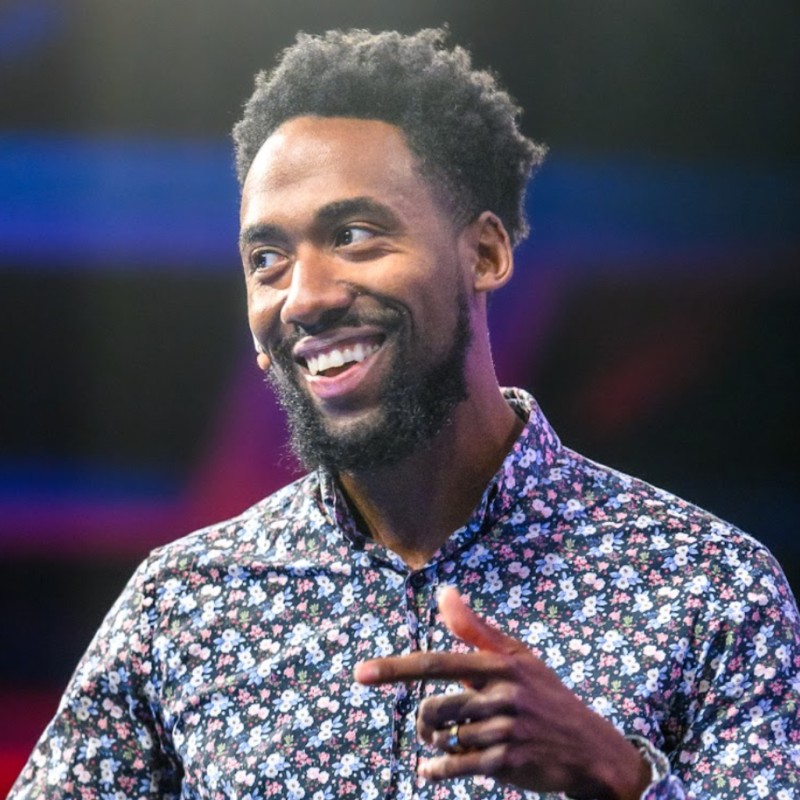
John Peslar vs Ross Simmonds: Urgency beats permission on LinkedIn
VSJacob Pegs vs Ross Simmonds: Vulnerability beats volume on LinkedIn
VSJacob Pegs vs Vin Matano: Vulnerability beats analogy on LinkedIn
 VS
VSAngela Snyder vs John Peslar: Vulnerability beats urgency on LinkedIn