Nick Broekema vs Soufyan Hamid: Personality beats frameworks on LinkedIn
Nick Broekema (89,151 followers, 334 avg engagement) wins through raw personality and vulnerability, treating LinkedIn as a permission-granting platform for authenticity. Soufyan Hamid (89,860 followers, 44 avg engagement) wins through structured problem-solving and credibility-building, treating LinkedIn as a teaching platform for technical professionals. Choose Nick if you're selling coaching or expertise through personality. Choose Soufyan if you're selling frameworks and career progression through pattern recognition.

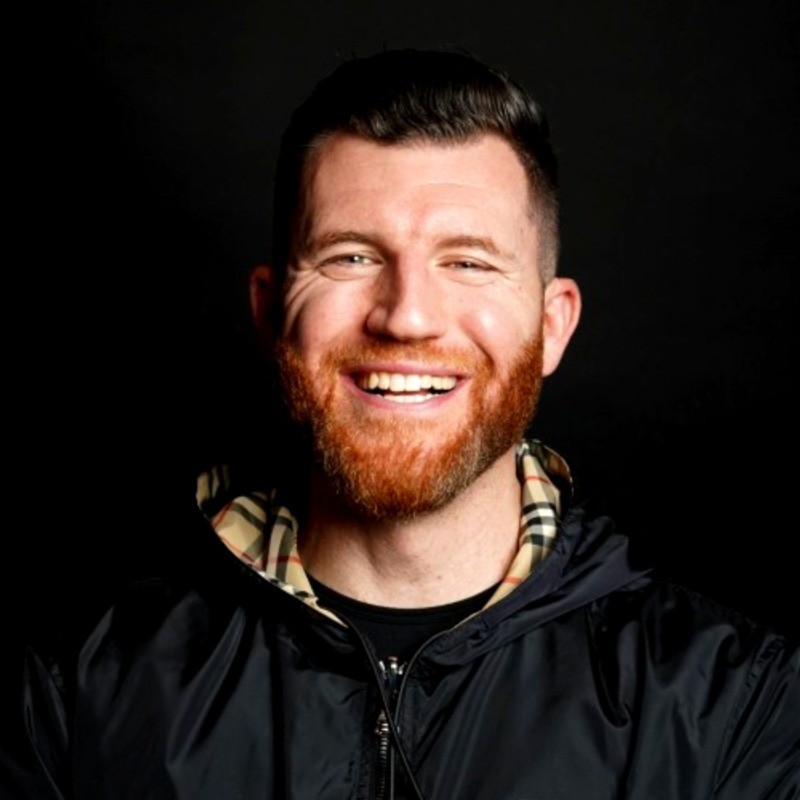
Nick Broekema
You’re sitting on 10+ years of expertise. I help you package + sell it as coaching offers, products, group programs, and communities.

Soufyan Hamid
Systematizing Storytelling for Finance Teams | EMBA Lecturer | Keynote Speaker
- Nick's 334 avg engagement crushes Soufyan's 44. Personality scales better than frameworks on LinkedIn.
- Nick opens with vulnerability and humor. Soufyan opens with professional discomfort and structure.
- Nick's conversation index is 33.3% vs Soufyan's 10.6%. Comments drive Nick's growth.
- Both post 4.8-5.2 times weekly. Nick's Thursday posts peak. Soufyan's Sunday posts peak.
Side by side
| Dimension | Nick Broekema | Soufyan Hamid |
|---|---|---|
| Voice | Self-deprecating friend tired of LinkedIn fakeness, weaponizes humor and ADHD to give permission for personality. | Direct pragmatist who validates discomfort first, then offers structure, built on 'I see this all the time' credibility. |
| Content mix | 60% personal narrative + business lesson, 25% authenticity calls, 15% tactical offer packaging. | 50% difficult conversations framework, 25% career progression, 15% storytelling mechanics, 10% community reflection. |
| Hook style | Vulnerable question ('Important question:') or self-deprecating milestone reveal that exposes expectation-reality gap. | Professional discomfort opening ('In FP&A, you're often the one delivering bad news') or real training room observation. |
| Engagement pattern | 334 avg engagement, 33.3% conversation index. Comments dominate. Readers argue, agree, share stories. | 44 avg engagement, 10.6% conversation index. Saves and shares dominate. Readers bookmark frameworks. |
| Posting cadence | 4.8 posts/week, peaks Thursday. Story format dominates. Repost rate 1.5% (original content only). | 5.2 posts/week, peaks Sunday. Numbered list format dominates. Repost rate 4.8% (some recycling). |
Who wins what
334 avg engagement vs 44 is 7.6x higher. Personality-driven posts generate 10x more comments than framework posts.
33.3% conversation index vs 10.6% means Nick's audience talks back. Soufyan's audience saves and leaves.
Numbered frameworks and FP&A structures are reference-able. Nick's stories are memorable but not clipboard-worthy.
1.5% repost rate (Nick) vs 4.8% (Soufyan) shows Soufyan recycles frameworks. Nick writes original every time.
Pick Nick Broekema if…- You sell coaching, courses, or group programs and need permission to show personality. Nick's 'ditch the templates' message gives readers license to be weird.
- You want to understand hook mechanics that drive comments over saves. Nick's 'Important question:' opener hit 1003 engagements twice.
- You're building a personal brand as a B2B service seller. Nick proves that vulnerability and humor outperform LinkedIn best practices.
- Open with 'Important question:' followed by a rhetorical gap between expectation and reality. Nick hit 1003 engagements twice with this pattern. It forces readers to click.
- Mix personal milestones (age, location, family) with business lessons. Nick's 'I'm turning 38 today' post (746 engagements) proves life events are content hooks, not distractions.
- Use signature dismissive phrases ('my feed is infested with', 'I'm not the LinkedIn police') to position yourself above template culture. This gives readers permission to ignore best practices.
Pick Soufyan Hamid if…- You're in finance, operations, or technical roles and need frameworks that stick. Soufyan's three-level FP&A model is repeatable and teachable.
- You want to master difficult conversations and credibility under pressure. Soufyan's 'bad news delivery' framework is his signature move.
- You're building a thought leadership platform around career progression. Soufyan's 'Operator to Strategic Leader' ladder is his core IP.
- Lead with the emotional weight of a professional situation before offering structure. Soufyan's 'you're often the one delivering bad news' (314 engagements) validates discomfort first, then teaches.
- Build credibility through pattern recognition, not theory. Use 'I see this all the time' and 'I've heard this in almost every company' to anchor frameworks in real observation.
- Create numbered frameworks (3-5 steps) that are clipboard-worthy and shareable. Soufyan's FP&A levels and budget ownership models are his repeatable IP.
Nick and Soufyan prove that LinkedIn rewards two different strategies equally well, but for different audiences. Nick wins on engagement (334 vs 44) by treating LinkedIn as a permission-granting platform where personality scales. Soufyan wins on saveability and career authority by treating LinkedIn as a teaching platform where frameworks stick. The meta-lesson: choose your audience first. If you're selling to people who want to feel less alone (coaches, consultants, service sellers), weaponize vulnerability like Nick. If you're selling to people who want to solve a specific problem (finance professionals, operators, technical roles), weaponize structure like Soufyan. Both strategies work. The difference is who you're talking to.
More comparisons featuring Nick Broekema or Soufyan Hamid
 VS
VSPeep Laja vs Soufyan Hamid: Volume beats depth on LinkedIn
 VS
VSDevin Reed vs Soufyan Hamid: Story vs Structure on LinkedIn
 VS
VSJessie van Breugel vs Soufyan Hamid: Volume beats depth on LinkedIn
VSDevin Reed vs Nick Broekema: Reach versus Conversation on LinkedIn
VSNick Broekema vs Peep Laja: Personality beats data on LinkedIn