
Angela Snyder
Helping you build authority + influence on LinkedIn✨ Personal brand strategist | LinkedIn coach + trainer | Content creator | Speaker + workshop leader | Your LinkedIn growth expert | World traveler & obsessed dog mom🐾
Angela Snyder teaches LinkedIn personal branding to professionals and entrepreneurs by sharing her own career pivots and tactical LinkedIn mistakes, building authority through vulnerability and direct advice. Her most distinctive move is opening with a specific, relatable rejection or failure ("A recruiter rejected me. A month later, she contacted me about the same role") that immediately signals authenticity and makes readers lean in.
2.2/wk
29 posts in 30d
167
avg per post
30.9%
comments / total
1.8%
reposts / total
story
Sat · 2 AM CET
Voice & tone
Angela writes like a friend who's been through the trenches and wants to save you the pain. She's direct without being preachy, uses casual language ("nope," "the everythinggggg," "you do you"), and isn't afraid to contradict conventional wisdom or admit when something doesn't make sense. She balances tough love with encouragement, as seen in "I'm not the LinkedIn police" and "Don't give up.👏"
Signature phrases
- “I know it's easier said than done, but”
- “You do you”
- “I'm not the LinkedIn police”
- “So why not focus on the actions and strategies that will?”
- “Who knows where you could be two years from now?”
- “Don't give up.👏”
Top 3 posts, dissected
Their highest-engagement posts, broken down line by line. Steal the structure.
A recruiter rejected me. A month later, she contacted me about the same role.😅 She thought I’d be a great fit for the open marketing role at her company. I told her I agreed. The role was indeed a perfect match for my background and skill set. …but I had already interviewed for the role 4 weeks earlier. And she is who I interviewed with.🫠 She’s also the one who told me I wouldn’t be moving forward. But this woman obviously didn’t remember. And a month later, she was still looking for someone. So she reached out to… ME. I know it’s easier said than done, but you can’t take these things personally. You could be a perfect fit for a role but, for whatever reason, it just doesn’t work out. Sometimes, it doesn’t make sense. Oftentimes, there is no closure. So I kept my head up. Kept going. And I did end up finding my next role. 2 years ago. April 2024. And today? I run my own LinkedIn coaching business. I’m now in a completely different place in my life. Who knows where you could be two years from now? Don’t give up.👏
The opening line is a specific, relatable rejection wrapped in a casual emoji. It immediately signals this is a real story (not generic advice) and creates curiosity: how did this resolve? The emoji softens the sting and signals the tone is light, not bitter.
Chronological story arc. Opens with the rejection, reveals the recruiter forgot, builds tension with the awkwardness, then pivots to the lesson (don't take it personally) and the bigger payoff (she now runs her own business). Ends with a forward-looking call to action.
- Specific details (4 weeks, April 2024, 2 years ago) that ground the story in reality
- Emoji punctuation (😅, 🫠, 👏) that signals emotional beats without being heavy-handed
- Short, punchy sentences ("And she is who I interviewed with." "And she's also the one who told me I wouldn't be moving forward.") that create rhythm and emphasis
- Vulnerability admission ("I know it's easier said than done, but you can't take these things personally") that validates the reader's struggle before offering the lesson
- Contrast between past rejection and present success ("And today? I run my own LinkedIn coaching business") that proves the lesson works
Ends with "Don't give up.👏" which is both a command and an encouragement. It drives comments because readers want to affirm the message, share their own rejections, or ask how she got there. The clapping emoji makes it feel celebratory, not preachy.
Open with a specific, emotionally resonant failure from your own life, then reveal the counterintuitive lesson it taught you, and close by showing where that lesson led you—this structure makes advice feel earned, not imposed.
I talk a lot about what to do on LinkedIn. Today I'll focus on what NOT to do. 1. Don't spam tag people (tagging tons of people in a post in hopes of artificially boosting your reach). 2. Don't use more than 3 hashtags in a post. (Honestly, you don't need to use any). 3. Don't u…
The hook flips the expected angle. Instead of "5 things to do on LinkedIn," it's "5 things NOT to do." This novelty stops the scroll because readers assume they know the positive advice but are curious what they might be doing wrong.
Numbered list (1-5) of specific LinkedIn mistakes, each with a brief explanation of why it's wrong. After the list, a permission-giving paragraph ("Sure, at the end of the day, you can do whatever the heck you want") that validates autonomy, then a reframe ("But if you're asking how to improve, here's why these things don't help") that justifies the advice without being preachy.
- Specificity in each item ("Don't spam tag people (tagging tons of people in a post in hopes of artificially boosting your reach)") that explains the why, not just the what
- Parenthetical asides ("Honestly, you don't need to use any" about hashtags) that signal insider knowledge and permission to break rules
- Permission language ("You do you!") that prevents defensiveness and builds trust
- Rhetorical question at the close ("So why not focus on the actions and strategies that will?") that invites agreement rather than demanding it
Ends with a shrug emoji and a question, not a demand. This invites debate and discussion, which drives comments. Readers either agree and affirm, or push back with their own takes.
When giving tactical advice, lead with permission and autonomy ("you can do whatever you want") before explaining why your way works better—this prevents readers from feeling judged and makes them more receptive to the actual tips.
Hey LinkedIn, is this thing on???🎤 I’m looking for VENDORS + FREELANCERS to support my business!!! Rather than scroll through Upwork and hope for the best, I want to reach out to my network! I’m hoping to get in touch with: 🎨 Graphic / Presentation Designers — someone who ca…
The hook combines a timely hook (Teacher Appreciation Week) with a credential ("as a former elementary school teacher") and a promise of strong opinion ("I have something to say"). This signals the post is personal, not generic, and gives permission for emotional content.
Credential statement, followed by a list of what teachers do (patience, creativity, emotional labor, early mornings, late nights, lesson planning, parent emails, "the everythinggggg"). Then a rant about how the country treats them ("atrocious"), followed by what's insufficient ("One week of appreciation doesn't cut it"). Closes with a call to action (thank teachers) and a personal admission ("I left teaching 4 years ago and I'll never go back").
- Credential early ("I taught for 8 years. Every grade level, preschool through 5th grade. In Maryland and abroad in the Netherlands") that establishes authority to rant
- Repetition and escalation ("The patience, the creativity, the emotional labor, the early mornings, the late nights, the lesson planning, the parent emails, the everythinggggg") that builds emotional intensity
- Contrarian honesty ("I left teaching 4 years ago and I'll never go back. Corporate life is a walk in the park compared to it. I miss the kids. But the rest of it… nope.🫠") that validates the difficulty without romanticizing the profession
- All-caps emphasis ("UNBELIEVABLE") and emoji punctuation (😢, 🫠) that signal emotional stakes
- Direct address ("To every teacher seeing this") that makes the message feel personal, not broadcast
Closes with validation and a call to systemic change ("I sincerely hope that one day, you're treated like it"), not a product pitch. This drives comments because readers want to affirm the message, share their own teaching stories, or debate the issue.
When you want to drive passionate comments, combine a personal credential with a rant about a systemic issue, then close with validation and a call to action that's about the cause, not about you—this makes readers feel like they're part of something bigger than engagement metrics.
What drives their engagement
Angela's posts end with open questions, permission-giving statements, or calls to action that invite readers to share their own stories or push back. Her top post (898 engagement, 184 comments) ends with "Don't give up.👏" which is both affirming and invites readers to comment their own rejection stories. Posts that ask for help (vendors, freelancers) or invite debate ("what NOT to do") generate 30.9% conversation rate because they require a response, not just a reaction.
Reposts are low (1.8% average) because Angela's content is highly personal and specific to her journey, not universally applicable advice. The posts that do get reposted are the rants and advocacy pieces (Teacher Appreciation Week) that tap into shared values, not just LinkedIn tactics.
Low savability. Angela optimizes for reach and conversation, not reference material. Her posts are meant to be read once, felt, and discussed, not bookmarked for later. The tactical lists ("5 things NOT to do") might get saved, but the story-driven posts are designed for immediate emotional impact and comment engagement.
Content pillars
Personal Stories + Mindset Shifts
28%Rejection, career pivots, and lessons learned told through her own experience to reframe how readers think about setbacks on LinkedIn
LinkedIn Tactical Dos and Don'ts
21%Numbered lists of specific behaviors to avoid (spam tagging, generic connection notes, posting and ghosting) paired with reasoning
Community Asks and Network Activation
14%Direct calls to her audience to help her find vendors, freelancers, or referrals, positioning her network as a resource
Rants and Advocacy
10%Passionate takes on undervalued professions (teachers) or systemic issues, using her credibility to amplify important messages
Problem-Solution Mindset Reframes
27%Short posts that identify a common LinkedIn belief or behavior and flip it with a counterintuitive perspective
Hook patterns
Specific Rejection or Failure Story
[Specific rejection or awkward moment]. [Emoji that signals vulnerability or humor]. [Realization or plot twist]
“A recruiter rejected me. A month later, she contacted me about the same role.😅”
→ Readers immediately recognize themselves in the failure and want to know how it resolves, creating curiosity that pulls them into the full story.
Casual Question with Emoji and Urgency
[Rhetorical question with emoji]. [Direct ask or statement in all caps]
“Hey LinkedIn, is this thing on???🎤 I'm looking for VENDORS + FREELANCERS to support my business!!!”
→ The playful tone lowers defenses and the all-caps urgency signals this is a genuine need, not a sales pitch, triggering helpful comments.
Direct Question About Common Problem
[Transition phrase] + [specific question about what readers are doing wrong]
“I talk a lot about what to do on LinkedIn. Today I'll focus on what NOT to do.”
→ Flipping the expected angle (what to do vs. what not to do) creates novelty and positions the creator as someone who understands the reader's actual pain.
Bold Statement About Undervalued Work
[Credential]. [Strong opinion about systemic issue]. [Emotional validation]
“This week is Teacher Appreciation Week. And as a former elementary school teacher, I have something say.📣”
→ Credibility plus passion creates permission for readers to agree and share, turning the post into a rallying cry rather than advice.
Intriguing Contradiction
[Expected outcome]. [But plot twist]. [Reframe]
“She's also the one who told me I wouldn't be moving forward. But this woman obviously didn't remember.”
→ The contradiction creates cognitive tension that readers want to resolve by reading further.
Top-performing hooks
“A recruiter rejected me. A month later, she contacted me about the same role.😅”
→ The post uses a relatable story of rejection to build trust and demonstrate the author's expertise in career coaching. The vulnerability and positive message resonate with the audience, encouraging th
“I talk a lot about what to do on LinkedIn.”
→ The post directly addresses common mistakes people make on LinkedIn, offering actionable advice in an easy-to-digest format. The author establishes authority by positioning themselves as someone who f
“Hey LinkedIn, is this thing on???🎤 I’m looking for VENDORS + FREELANCERS to support my business!!!”
→ The post leverages authentic network-based sourcing over impersonal platforms, uses clear categorical breakdowns with specific deliverables to attract qualified vendors, and includes a strong CTA with
“This week is Teacher Appreciation Week. And as a former elementary school teacher, I have something say.📣”
→ The post leverages a timely event (Teacher Appreciation Week) and the author's personal experience as a former teacher to resonate with educators and those who value them. The emotional appeal and cal
“I received a message last week from someone I’ve been connected to for awhile…”
→ The post opens with a relatable story about a missed connection, creating curiosity. It leverages the author's large following to highlight a common problem (low content visibility) and positions the
“I had the honor and privilege to celebrate this woman all weekend. I love you, Mom.💕”
→ The post is relatable and heartwarming, triggering positive emotions and encouraging engagement through likes and comments. The simple message and universal theme of familial love make it easily acces
“I've been reflecting a lot lately. On my life, on choices I've made, the path I've taken.”
→ The post is relatable and authentic, sharing a personal journey that resonates with others seeking freedom and fulfillment. The vulnerability and gratitude create an emotional connection, encouraging
““I wish I could afford to work with you."”
→ The post addresses a common pain point (affordability) and offers a tangible solution (the LinkedIn Sprint). The limited spots and clear benefits create urgency and encourage immediate action.
“I stopped at Dunkin' this morning for a large iced coffee and for a brief moment, I was a teacher again.🥹”
→ The post uses a relatable, nostalgic story about a common experience (Dunkin' coffee) to connect with former teachers and others who have experienced career transitions. The open-ended question at the
“Let’s talk about some of the clients I’ve worked with over the past 8 months:”
→ The post effectively uses a list of diverse clients to demonstrate the broad applicability of LinkedIn personal branding. It highlights a common pain point (desire for a strong LinkedIn presence) and
What works
- Story openings with specific rejection or failure (4 posts, 370 avg engagement). The pattern: "[Specific thing that happened to me]. [Emoji]. [Unexpected twist]." Example: "A recruiter rejected me. A month later, she contacted me about the same role.😅" This works because it signals authenticity and creates curiosity.
- Numbered lists of tactical mistakes paired with reasoning (21% of posts, 187 avg engagement). Example: "Don't spam tag people (tagging tons of people in a post in hopes of artificially boosting your reach)." This works because readers want to know what they're doing wrong, and the parenthetical explanation prevents defensiveness.
- Permission-giving language before advice (appears in 5+ posts). Example: "I'm not the LinkedIn police. If you've been following me, you know I believe in showing up as yourself." This works because it lowers defensiveness and makes readers more receptive to the actual tips.
- Casual questions with emoji as hooks (2 posts, 243 avg engagement). Example: "Hey LinkedIn, is this thing on???🎤" This works because it feels conversational and non-salesy, triggering helpful comments from her network.
- Personal credentials early in rants (Teacher Appreciation Week post). Example: "I taught for 8 years. Every grade level, preschool through 5th grade. In Maryland and abroad in the Netherlands." This works because it establishes authority to have a strong opinion on the topic.
- Contrast between past struggle and present success (Post 1: rejected 2 years ago, now runs her own business). This works because it proves the lesson is real and gives readers hope.
Steal this for your own LinkedIn
- Start your next post with a specific rejection, failure, or awkward moment from your own life, then reveal the counterintuitive lesson it taught you. This immediately signals authenticity and stops the scroll.
- When giving tactical advice, lead with permission ("You do you!") before explaining why your way works better. This prevents readers from feeling judged and makes them more receptive to the actual tips.
- End posts with open questions or calls to action that require a response, not just a reaction. Instead of "Let me know what you think," try "What am I doing wrong?" or "Who do you know that could help?" This drives the 30.9% conversation rate.
- Use parenthetical asides to signal insider knowledge or permission to break rules. Example: "Don't use more than 3 hashtags in a post. (Honestly, you don't need to use any)." This makes advice feel earned, not imposed.
- Combine a personal credential with a rant about a systemic issue, then close with validation and a call to action that's about the cause, not about you. This makes readers feel like they're part of something bigger than engagement metrics.
- Post on Saturday at 1 UTC (or 8 PM Friday ET) when your audience is winding down and more likely to engage deeply with stories and rants.
Compare Angela with…
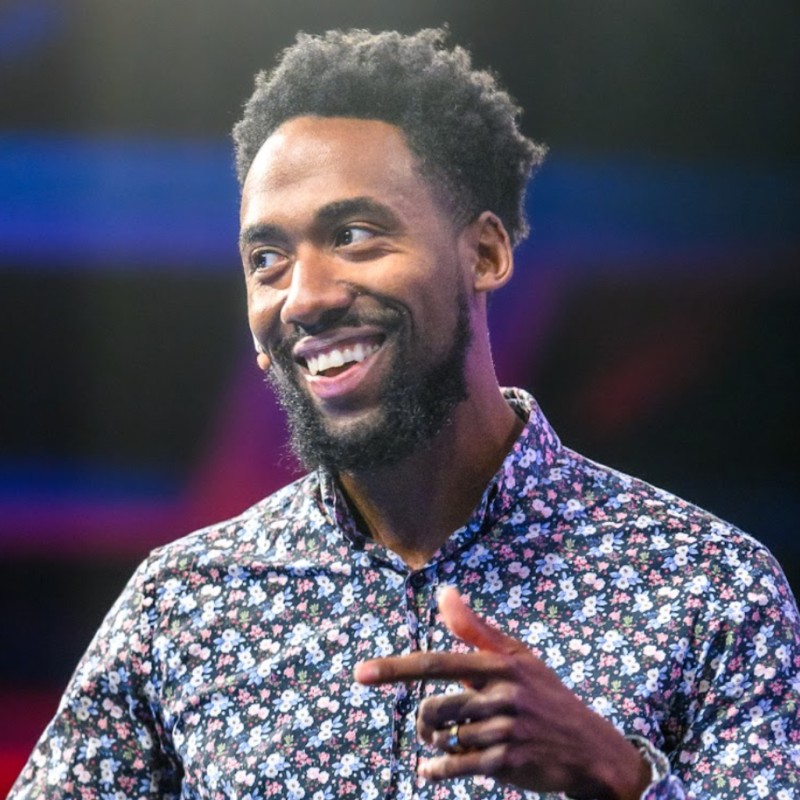
vs Ross Simmonds
Angela Snyder vs Ross Simmonds: Depth beats volume on LinkedIn

vs John Peslar
Angela Snyder vs John Peslar: Vulnerability beats urgency on LinkedIn

vs Vin Matano 🐝
Angela Snyder vs Vin Matano: Vulnerability beats volume on LinkedIn

vs Christ Coolen
Angela Snyder vs Christ Coolen: Vulnerability beats formatting on LinkedIn

vs Jacob Pegs
Angela Snyder vs Jacob Pegs: Vulnerability beats volume on LinkedIn
Get the full Angela Snyder playbook
Hook templates, content calendar, posting cadence, and the exact frameworks they use - delivered to your inbox.
Posting patterns
Angela posts 2.2 times per week (29 posts in 29 days suggests some weeks have 2-3 posts, others have 1), maintaining consistent presence without overwhelming her audience.
Saturday at 1 UTC (which is roughly 8 PM Friday ET or 5 PM PT Thursday) performs best, suggesting her audience engages during evening wind-down or weekend morning scrolling.
Long-form posts (180-350 words) dominate her mix at 69% and average 174 engagement. This length allows her to tell a full story with setup, tension, and resolution, which is her signature move. Medium posts (80-180 words) perform similarly (159 avg engagement), so the sweet spot is anything that tells a complete narrative arc, not a quick tip.
Engagement by day
Content mix
avg 305 engagements per post
avg 187 engagements per post
avg 47 engagements per post
avg 104 engagements per post
avg 158 engagements per post
Angela's mix of 21% stories, 21% numbered lists, and 17% problem-solution posts works because her audience wants both tactical LinkedIn advice and emotional validation. The stories build trust and relatability (highest engagement at 305 avg), while the lists provide actionable takeaways. This balance keeps her from feeling like a pure tactics account (which would be forgettable) or a pure inspiration account (which would lack utility). Her low repost rate (1.8%) suggests her audience follows her for her specific perspective, not for universally shareable content.