Brad Ziemer vs Hana Jacover: Niche depth beats broad reach on LinkedIn
Brad Ziemer builds authority in luxury real estate through sensory-first storytelling and ultra-short posts (95% under 30 words), while Hana Jacover dominates engagement volume with problem-solution coaching content at 15 posts per week. Brad's strategy wins on brand positioning and conversation quality; Hana's wins on raw engagement numbers and audience size. The choice depends on whether you're building a premium niche brand or scaling thought leadership across a broad market.
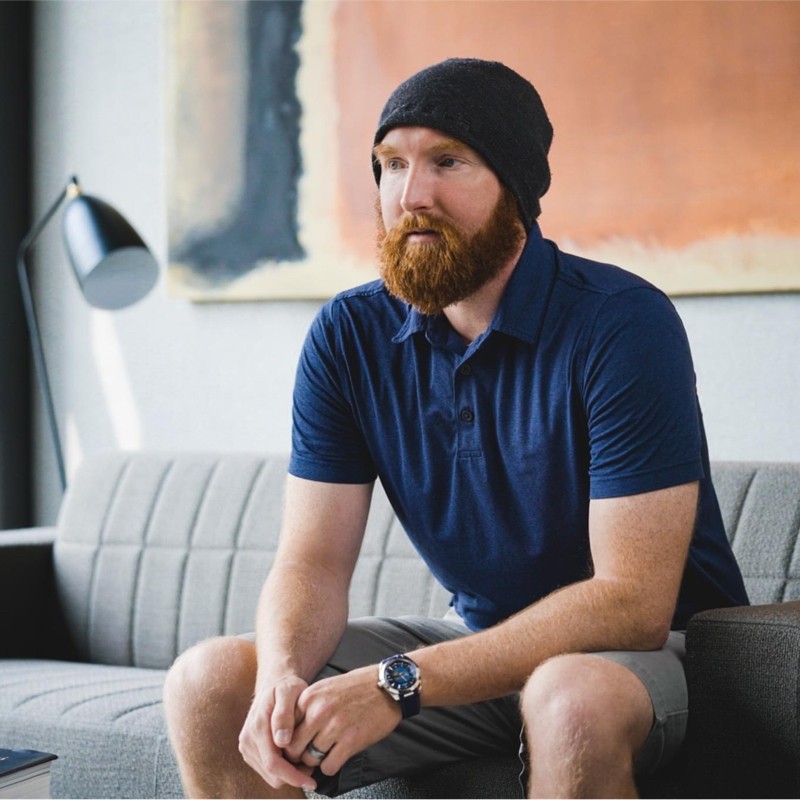
Brad Ziemer
Founder & Operator | 3× Inc. 5000 Entrepreneur | Acquiring & scaling real estate media companies across the US | Passionate about helping real estate pros market, sell & scale with media.
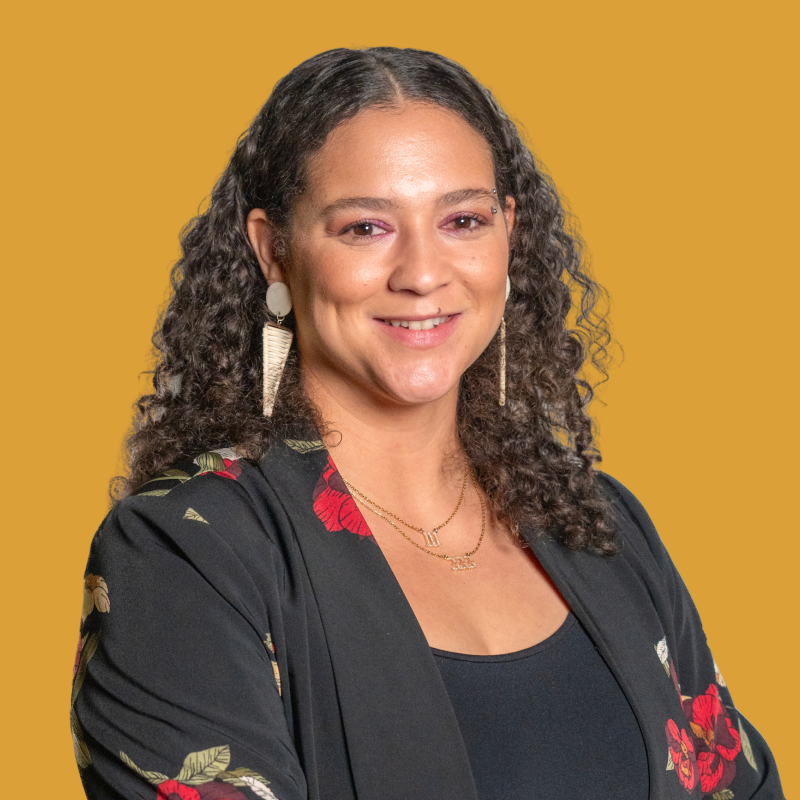
Hana Jacover
Executive Coach (ICF-ACC) | Hogan Certified | Leadership Development Partner | Behavior Change at Scale | Trusted by Senior Leaders at Microsoft, Google, McDonald’s, Audible & more | PCC Level Training
- Brad: 5.5K followers, 2 avg engagement, 13.3% conversation. Hana: 4.8K followers, 79 avg engagement, 9.2% conversation.
- Brad posts 4.5x/week with lifestyle mood language. Hana posts 15x/week with coaching frameworks and self-discovery prompts.
- Brad's top hook got 10 engagements. Hana's top hook got 4,953 engagements—but Brad's audience is more qualified.
- Brad builds luxury brand authority. Hana builds coaching credibility through volume and emotional connection.
Side by side
| Dimension | Brad Ziemer | Hana Jacover |
|---|---|---|
| Voice | Brad writes like a luxury lifestyle editor—calm, poetic, sensory-focused ('effortless energy,' 'Mediterranean mood')—assuming readers already have taste. | Hana writes like a supportive coach—direct, empowering, action-oriented—asking readers to find their own answers and take the first step. |
| Content mix | 100% atmospheric property showcases, location storytelling, and design philosophy tied to specific Miami micro-markets and brand positioning. | Mix of coaching definitions (vs consulting/mentoring), self-empowerment narratives, ICF credentialing, impact stories, and industry support—no single product focus. |
| Hook style | Sensory questions ('WHAT DOES PRIVATE ISLAND LIVING FEEL LIKE?'), location + emotion pairing, contrarian mood statements ('doesn't feel like Miami at all'). | Recap questions, confusion clarifiers, qualification questions, bold promises ('When I said, we're just getting started, I meant it'). |
| Engagement pattern | Low volume (2 avg), high conversation rate (13.3%), zero reposts—audience is small but deeply engaged and loyal to Brad's voice. | High volume (79 avg), lower conversation rate (9.2%), 10.7% repost rate—audience is larger and more likely to share, but less likely to comment. |
| Posting cadence | 4.5 posts/week, best on Wednesday—consistent, sustainable, quality-over-quantity approach tied to luxury brand positioning. | 15.2 posts/week, best on Sunday—high-volume strategy designed to maximize reach and algorithm exposure across broader leadership audience. |
Who wins what
79 avg engagement per post vs Brad's 2, plus 10.7% repost rate means Hana's content spreads wider across LinkedIn's network.
13.3% conversation index vs Hana's 9.2% means Brad's smaller audience is 44% more likely to comment and engage in dialogue.
Problem-solution format and coaching frameworks are inherently more saveable than mood-based property descriptions; readers bookmark actionable content.
0% repost rate and 58 posts analyzed show Brad creates original content every time; Hana's 10.7% repost rate suggests occasional recycling.
Pick Brad Ziemer if…- You're building a premium brand in a niche market (luxury real estate, high-end services, exclusive experiences) where audience quality matters more than follower count.
- You want to master sensory storytelling and emotional positioning—Brad's 'doesn't feel like Miami at all' contrarian mood statements are a masterclass in lifestyle copywriting.
- You're willing to post 4-5x/week consistently and prioritize conversation depth over viral reach; Brad's 13.3% conversation rate shows his audience actually talks back.
- Sensory question hooks: Open with 'WHAT DOES [lifestyle] FEEL LIKE?' instead of feature lists. Brad's 'WHAT DOES PRIVATE ISLAND LIVING FEEL LIKE?' (10 engagements) works because it invites the reader to imagine, not just read.
- Ultra-short posts (under 30 words): 95% of Brad's content is brief, atmospheric, and paired with a single image. This forces clarity and makes each word earn its place—opposite of the 15-post-per-week volume trap.
- Contrarian mood positioning: Lead with what the space or service *doesn't* feel like ('doesn't feel like Miami at all') to create distance from category expectations and position yourself as the refined alternative.
Pick Hana Jacover if…- You're scaling thought leadership across a broad audience and need high engagement volume; Hana's 79 avg engagements per post and 15 posts/week drive exponential reach.
- You want to learn problem-solution framing and how to position yourself as a credible expert; Hana's coaching-definition posts (1,666 engagements on 'consulting vs coaching') show how to own a category.
- You're comfortable posting daily and treating LinkedIn as a volume play; Hana's Sunday best-day pattern and 15.2 posts/week cadence show how to feed the algorithm consistently.
- Problem-solution clarity: Hana's 'Coaching is often confused with consulting and mentoring, but there is one big differentiator' (1,666 engagements) works because it names the confusion, then resolves it. Use this format: 'X is confused with Y, but here's the real difference.'
- Qualification questions as hooks: 'Anyone can call themselves a coach, so how do we know if they're really qualified?' (1,113 engagements) positions the reader as a discerning buyer and you as the authority who sets standards.
- High-cadence posting with reposts: Hana's 15.2 posts/week and 10.7% repost rate show you can scale reach by mixing original content with curated/recycled posts. This is sustainable for creators who can't write 15 originals weekly.
Brad and Hana represent two valid LinkedIn strategies with opposite trade-offs. Brad wins by going deep—niche positioning, sensory voice, low cadence, high conversation—which builds a small, loyal, high-intent audience that trusts his taste. Hana wins by going wide—broad topic, problem-solution format, high cadence, high reach—which builds a larger, more distributed audience that engages through volume and emotional resonance. Neither is wrong. Brad's approach works if you're selling high-ticket services or building a premium brand where 100 qualified conversations beat 10,000 passive views. Hana's approach works if you're scaling thought leadership, building a coaching practice, or need algorithmic momentum to break through noise. The meta-lesson: choose your audience size first, then reverse-engineer your voice, cadence, and hook style to match it. Don't copy Brad's sensory language if you're posting 15 times a week. Don't copy Hana's volume if you're selling $500K properties.
More comparisons featuring Brad Ziemer or Hana Jacover
VS
Hana Jacover vs Steven Bartlett: Niche authority beats viral scale on LinkedIn
VS
Hana Jacover vs Liam Darmody: Small audience, big impact vs massive reach
 VS
VSEmma Weber vs Hana Jacover: Reach versus Resonance on LinkedIn
VS
Hana Jacover vs Molly Sonsteng: Scale vs Depth on LinkedIn
VS
Hana Jacover vs Mark Tweed: Reach vs Conversation on LinkedIn
VSHana Jacover vs Hana Jacover, ACC: Same niche, different engagement math