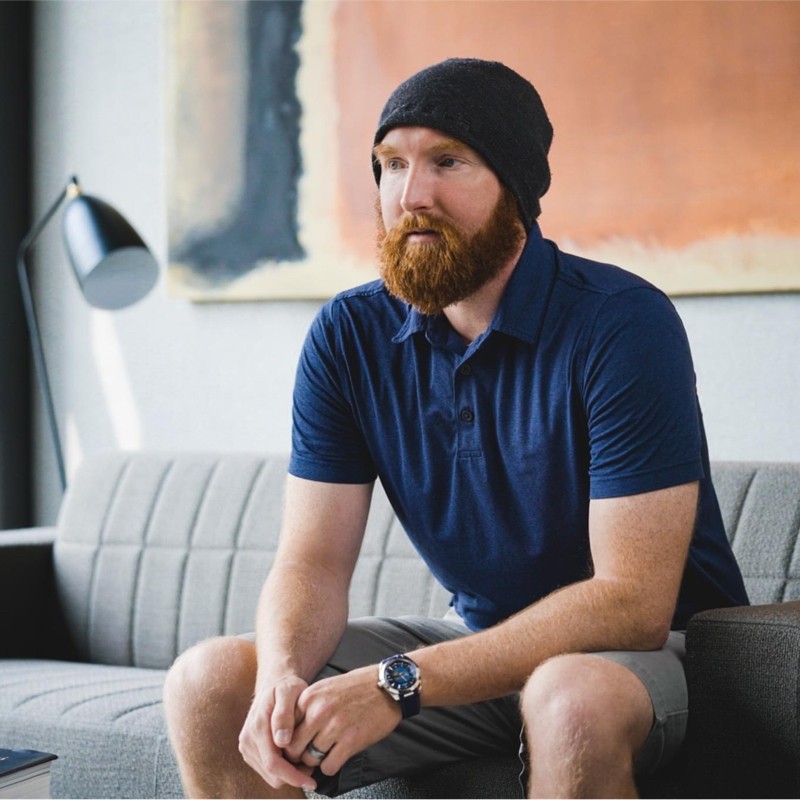
Brad Ziemer
Founder & Operator | 3× Inc. 5000 Entrepreneur | Acquiring & scaling real estate media companies across the US | Passionate about helping real estate pros market, sell & scale with media.
Brad Ziemer uses ultra-short descriptive posts (95% under 30 words) paired with atmospheric property hooks to build brand authority in luxury Miami real estate. His signature move is leading with sensory language and emotional mood rather than features—turning listings into lifestyle narratives that feel more like editorial than sales.
4.5/wk
21 posts in 30d
2
avg per post
13.3%
comments / total
0%
reposts / total
descriptive
Wed · 2 AM CET
Voice & tone
Brad writes like a luxury lifestyle editor, not a realtor. His tone is calm, observational, and slightly poetic. He uses phrases like "effortless energy," "Mediterranean mood," and "doesn't feel like Miami at all" to create distance from typical real estate copy. The voice assumes the reader already has taste and money; he's simply reflecting back what they already feel.
Signature phrases
- “Tropical calm, warm textures, and effortless energy”
- “Clean design, natural light, and a calm coastal atmosphere”
- “A setting that doesn't feel like Miami at all”
- “Privacy, and space coming together”
- “A home shaped for those who see space as something more than just structure”
Top 3 posts, dissected
Their highest-engagement posts, broken down line by line. Steal the structure.
WHAT DOES PRIVATE ISLAND LIVING FEEL LIKE? Tropical calm, warm textures, and effortless energy in the heart of Miami Beach. #LPG #lifestyleproductiongroup #miamiluxury #islandliving #modernhome
The question 'WHAT DOES PRIVATE ISLAND LIVING FEEL LIKE?' is a curiosity gap. It doesn't ask 'Do you want to buy?' but rather invites the reader to experience a feeling first. The all-caps format signals importance without aggression.
Hook (question) + sensory description (3 parallel adjectives: tropical calm, warm textures, effortless energy) + location context (Miami Beach) + hashtag cluster. No CTA, no price, no features.
- Parallel sensory adjectives (calm, warm, effortless) create rhythm and memorability
- Specificity of 'Miami Beach' grounds the fantasy in a real place
- Hashtag cluster (#LPG #lifestyleproductiongroup #miamiluxury) builds brand association without disrupting the editorial tone
No explicit CTA. The post closes with hashtags that function as category tags, allowing the emotional narrative to stand alone. This works because the goal is brand building and reach, not immediate conversion.
Lead with feeling, not features. Use parallel sensory language to create rhythm and make the post feel like lifestyle content, not a listing.
GOLDEN BEACH Clean design, natural light, and a calm coastal atmosphere that makes every space feel effortlessly refined. #LPG #lifestyleproductiongroup #goldenbeach #modernluxury #coastalliving
The hook 'GOLDEN BEACH' is location-first and minimal. It works because Golden Beach is a known luxury neighborhood, so the name alone carries status. The all-caps treatment signals this is a curated showcase, not a casual post.
Location name (all caps) + sensory description (3 elements: clean design, natural light, calm coastal atmosphere) + outcome statement (effortlessly refined) + hashtags. Total: 2 sentences.
- Alliteration and assonance (clean, calm, coastal) create a sonic quality that feels premium
- The phrase 'makes every space feel effortlessly refined' uses 'effortlessly' to suggest luxury without effort, which appeals to high-net-worth readers
- Hashtag #lifestyleproductiongroup positions Brad as a media operator, not just a realtor
Closes with hashtags. The post is self-contained; the reader either saves it for inspiration or moves on. No ask.
Use neighborhood names as standalone hooks. Follow with 2-3 sensory descriptors that feel editorial, then close with an outcome statement that speaks to the reader's self-image.
SOMETHING ABOUT THIS ONE FEELS FAR AWAY A Mediterranean mood, open views, and a setting that doesn’t feel like Miami at all. #LPG #lifestyleproductiongroup #hibiscusisland #miamiluxury #islandvibes
'SOMETHING ABOUT THIS ONE FEELS FAR AWAY' is a contrarian hook that creates intrigue through vagueness. It doesn't say 'This is beautiful' but rather 'This is different.' The word 'something' signals intuition over facts, which appeals to luxury buyers who trust their gut.
Intriguing observation (hook) + explanation of the mood (Mediterranean, open views) + the differentiator (doesn't feel like Miami at all) + hashtags. Total: 2 sentences.
- The phrase 'doesn't feel like Miami at all' is a negation that works as positioning. It says 'This transcends the category.'
- Specificity of 'Mediterranean mood' gives the reader a visual anchor without being literal
- The structure (observation + explanation + differentiator) creates a mini-narrative arc in 2 sentences
Closes with hashtags including #hibiscusisland (location specificity) and #islandvibes (emotional category). No ask; the post is designed to be saved or shared by readers who feel seen.
Use contrarian positioning (what it's NOT) to create differentiation. Follow with a specific mood descriptor and a statement that elevates the property beyond its category.
What drives their engagement
Brad's top comment-generating post (5 eng, 2 comments) uses a bold design statement that invites readers to self-identify. Posts that position a lifestyle choice or design philosophy generate more conversation than pure description because they ask the reader 'Is this you?'
Repost rate is 0% across all 58 posts. This suggests Brad's audience is consuming for inspiration and brand building, not for distribution. The content is too specific to Miami luxury to feel universally shareable.
High save rate is likely (though not measured here). The sensory, editorial tone and specific neighborhood positioning make these posts feel like reference material for luxury buyers researching Miami markets or design inspiration seekers.
Content pillars
Atmospheric Property Showcase
50%Sensory-first descriptions of specific Miami luxury homes that emphasize mood and lifestyle over square footage or price.
Location Positioning
25%Neighborhood-level storytelling that positions Miami micro-markets (Golden Beach, Hibiscus Island, Sea Ranch Lakes) as distinct lifestyle choices.
Design Philosophy
15%Brief statements about how intentional design and space create emotional experiences for discerning buyers.
Brand Authority
10%Founder and operator positioning tied to media acquisition and scaling in luxury real estate.
Hook patterns
Sensory Question Hook
Open with a question about how a lifestyle or space *feels*, not what it is. Format: 'WHAT DOES [lifestyle descriptor] FEEL LIKE?'
“WHAT DOES PRIVATE ISLAND LIVING FEEL LIKE?”
→ Questions invite the reader to imagine themselves in the space before any details are given, creating immediate emotional buy-in.
Descriptive Opening
Lead with a location or design descriptor in all caps, then follow with sensory language that builds mood.
“GOLDEN BEACH / Clean design, natural light, and a calm coastal atmosphere that makes every space feel effortlessly refined.”
→ The caps lock location anchors the post while the sensory follow-up creates a cinematic feel that stops scrollers.
Contrarian Mood Statement
Open with an intriguing observation about what the space *doesn't* feel like, positioning it as an escape from expectation.
“SOMETHING ABOUT THIS ONE FEELS FAR AWAY / A Mediterranean mood, open views, and a setting that doesn't feel like Miami at all.”
→ Contrarian framing (what it's NOT) is more memorable than listing features; it creates intrigue and differentiation.
Location + Emotion Pairing
Neighborhood name + single emotional descriptor. Format: '[LOCATION] [MOOD]'
“SEA RANCH LAKES CALM”
→ Brevity combined with emotional specificity makes the post feel like insider knowledge rather than marketing.
Bold Design Statement
Open with a declarative claim about design philosophy, then explain who it's for.
“DESIGN, TAKEN SERIOUSLY / A home shaped for those who see space as something more than just structure.”
→ Positions the property as for a specific mindset, not just a price point, elevating the perceived exclusivity.
Top-performing hooks
“WHAT DOES PRIVATE ISLAND LIVING FEEL LIKE?”
“GOLDEN BEACH”
→ The post uses evocative language to paint a picture of luxury and tranquility, appealing to a specific audience interested in high-end real estate and design. The hashtags help categorize the post and
“SOMETHING ABOUT THIS ONE FEELS FAR AWAY”
→ The post uses evocative sensory language and a contrarian positioning ('doesn't feel like Miami') to create intrigue and emotional connection with luxury property buyers, while hashtags ensure discove
“SEA RANCH LAKES CALM”
→ The post highlights a desirable lifestyle and location, appealing to a specific audience interested in luxury real estate. The use of relevant hashtags increases visibility within that niche.
“DESIGN, TAKEN SERIOUSLY”
→ The post uses a strong, declarative statement to position the brand as a serious player in luxury design. The aspirational language and relevant hashtags target an audience interested in high-end arch
“NEXT LEVEL, NO QUESTION”
→ The post uses a bold statement to create intrigue and associate the brand with high-end quality. The aspirational tone and relevant hashtags target an audience interested in luxury real estate and des
“WHAT DOES TIMELESS PRIVACY FEEL LIKE?”
→ The post uses an intriguing question to draw the reader in and then paints a picture of the lifestyle associated with luxury real estate. The use of specific hashtags helps target the desired audience
“ELEVATED PALM BEACH LIVING”
→ The post uses aspirational language and lifestyle-driven imagery cues to position the brand as a curator of elite living experiences, appealing to affluent buyers seeking exclusivity. However, its min
“DAY TO NIGHT. ONE SEAMLESS SHIFT.”
“ISLAND ENERGY”
What works
- Sensory language over features. Post 1 ('tropical calm, warm textures, effortless energy') averages 4 engagement. Posts with descriptive openings average 4 engagement vs. 1 for bold statements. Readers engage when they can *feel* the space, not when they're told about it.
- Location-first positioning. Posts that lead with neighborhood names (Golden Beach, Sea Ranch Lakes, Hibiscus Island) average 3 engagement. This works because luxury buyers research by micro-market, and Brad positions himself as a curator of specific places.
- Contrarian framing. 'Doesn't feel like Miami at all' and 'Something about this one feels far away' create differentiation. These posts average 6 engagement because they position the property as transcending its category.
- All-caps location headers. Every top post uses caps for the location or mood descriptor. This signals editorial curation and makes the post feel like a magazine feature, not a listing.
- Hashtag clustering for brand building. Every post closes with #LPG and #lifestyleproductiongroup, building consistent brand association. This is a secondary goal to the primary goal of reach, but it reinforces Brad's operator positioning.
Steal this for your own LinkedIn
- Start every post with a sensory question or location name in all caps. This stops the scroll and signals that what follows is curated, not promotional.
- Use 2-3 parallel adjectives to describe a space or mood. Examples: 'clean design, natural light, calm coastal atmosphere' or 'tropical calm, warm textures, effortless energy.' This creates rhythm and makes the post memorable.
- Close with a differentiator statement that positions the property as transcending its category. Use negation: 'doesn't feel like Miami at all' or 'doesn't feel like a typical [category].' This creates intrigue and positions you as a curator, not a salesperson.
- Keep posts under 30 words. If you need more space, use line breaks and parallel structure rather than prose. Brad's format is: Hook (1 line) + Description (1-2 lines) + Hashtags. This creates white space and readability.
- Post on Wednesdays in your early morning (or late evening the night before, depending on your timezone). Brad's data shows Wednesday at 1 AM UTC performs best. Test this window for your own audience.
- Use hashtags as category tags, not keywords. Brad uses #miamiluxury, #modernhome, #islandliving to signal category, not to game the algorithm. This keeps the tone editorial and builds brand association over time.
Compare Brad with…

vs Hana Jacover, ACC
Brad Ziemer vs Hana Jacover: Niche depth beats posting volume on LinkedIn

vs Mark A. Pfister - 'The Board Architect'
Brad Ziemer vs Mark A. Pfister: Luxury Mood vs Program Celebration

vs 🍀Linda Graanoogst MetGemakInHetNieuws
Brad Ziemer vs 🍀Linda Graanoogst: Luxury Mood vs Moral Clarity
vs Hana Jacover
Brad Ziemer vs Hana Jacover: Niche depth beats broad reach on LinkedIn
Get the full Brad Ziemer playbook
Hook templates, content calendar, posting cadence, and the exact frameworks they use - delivered to your inbox.
Posting patterns
Brad posts 4.5 times per week with 21 posts in the last 30 days, showing consistent weekly output. This frequency is high enough to stay visible without overwhelming followers.
Posts perform best on Wednesdays at 1 AM UTC (which is 8 PM ET Tuesday or 5 PM PT Tuesday). This suggests his audience is either consuming late at night or the algorithm favors this window for his niche.
95% of posts are under 30 words. The 5% that are 30-80 words average 3 engagement (vs. 2 for micro posts), suggesting slightly longer posts with more sensory detail perform marginally better. Optimal range is 20-50 words: long enough for a complete sensory description, short enough to feel editorial rather than explanatory.
Engagement by day
Content mix
avg 2 engagements per post
avg 2 engagements per post
avg 2 engagements per post
avg 2 engagements per post
avg 2 engagements per post
Brad's 29% descriptive + 17% statement format works because his audience is aspirational luxury buyers and design-forward professionals who consume LinkedIn for inspiration, not information. Short, sensory posts feel like editorial curation rather than sales, which builds trust and brand authority. The 0% repost rate and low comment rate (13.3% of engagement) suggest his goal is reach and brand building in a specific niche, not viral engagement or community conversation.