Brad Ziemer vs Hana Jacover: Niche depth beats posting volume on LinkedIn
Brad Ziemer builds authority through ultra-short sensory storytelling in luxury real estate (5,474 followers, 2 avg engagement, zero reposts). Hana Jacover scales through high-volume problem-solution coaching content (4,839 followers, 74 avg engagement, 13.8 posts/week). Brad wins on brand coherence and positioning; Hana wins on reach and conversation velocity. The choice depends on whether you're building a lifestyle brand or an expertise brand.
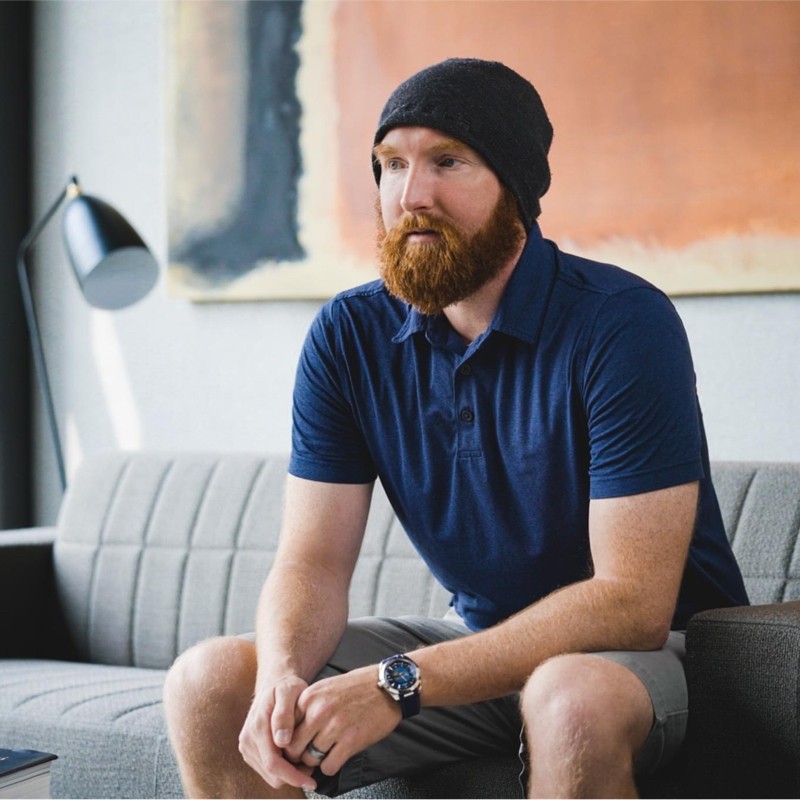
Brad Ziemer
Founder & Operator | 3× Inc. 5000 Entrepreneur | Acquiring & scaling real estate media companies across the US | Passionate about helping real estate pros market, sell & scale with media.

Hana Jacover, ACC
Executive Coach (ICF-ACC) | Hogan Certified | Leadership Development Partner | Behavior Change at Scale | Trusted by Senior Leaders at Microsoft, Google, McDonald’s, Audible & more | PCC Level Training
- Brad: 4.5 posts/week, 2 avg engagement, 0% repost rate. Niche moat through sensory language.
- Hana: 13.8 posts/week, 74 avg engagement, 11.3% repost rate. Volume + clarity drives reach.
- Brad's top hook: 10 engagements. Hana's top hook: 4,953 engagements. Different games entirely.
- Brad owns luxury Miami real estate positioning. Hana owns executive coaching clarity. Both work.
Side by side
| Dimension | Brad Ziemer | Hana Jacover, ACC |
|---|---|---|
| Voice | Calm, observational, poetic—writes like a luxury lifestyle editor, not a realtor. Assumes reader has taste and money. | Empathetic authority figure who reframes misconceptions. Positions herself as a guide clarifying what coaching actually is. |
| Content mix | 95% descriptive posts under 30 words. Sensory hooks paired with atmospheric property narratives. Zero reposts. | 30% problem-solution format across 179 posts. Direct questions reframing coaching myths. 11.3% repost rate. |
| Hook style | Sensory question ('WHAT DOES PRIVATE ISLAND LIVING FEEL LIKE?'), location + mood pairing, contrarian mood statements. | Direct clarification questions ('Coaching is often confused with...'), misconception reframes, qualification challenges. |
| Engagement pattern | 2 avg engagement per post. Top post: 10 engagements. Conversation Index 13.3%. Builds brand, not viral reach. | 74 avg engagement per post. Top post: 4,953 engagements. Conversation Index 7.9%. Drives volume and visibility. |
| Posting cadence | 4.5 posts/week. Consistent, controlled rhythm. Best day: Wednesday. Selective distribution. | 13.8 posts/week. High-volume publishing. Best day: Sunday. Maximizes algorithmic surface area. |
Who wins what
74 avg engagement vs 2 avg engagement. Top post hit 4,953 engagements. Volume + clarity compounds visibility.
13.3% Conversation Index vs 7.9%. Smaller audience, but higher-quality dialogue. Sensory hooks invite response.
Problem-solution format drives saves. Coaching clarity is reference-worthy. Brad's posts are mood-setting, not bookmarkable.
0% repost rate. Every post original. Hana's 11.3% repost rate suggests occasional content recycling. Brad owns his voice.
Pick Brad Ziemer if…- You're building a luxury lifestyle brand where positioning and taste matter more than follower count. Brad's 5,474 followers are high-intent buyers, not tire-kickers.
- You want to master sensory language and emotional storytelling. Brad's signature phrases ('effortless energy,' 'doesn't feel like Miami at all') are copyable frameworks for any premium product.
- You're willing to post less frequently (4.5x/week) if it means every post reinforces a coherent brand identity. Brad's zero reposts prove he prioritizes originality over volume.
- Sensory question hooks. Brad opens with 'WHAT DOES [lifestyle] FEEL LIKE?' instead of feature lists. Steal this for any premium product: 'What does [outcome] feel like?' reframes the sale as an experience, not a transaction.
- Location + emotion pairing. 'GOLDEN BEACH' + single mood descriptor. Applicable to any niche: pair your category with an emotional state. Creates instant positioning without explanation.
- Ultra-short format discipline. 95% of Brad's posts are under 30 words. Forces clarity. Every word earns its place. Cuts the filler that kills engagement on LinkedIn.
Pick Hana Jacover, ACC if…- You need to build authority fast through high-volume publishing. Hana's 13.8 posts/week and 74 avg engagement create algorithmic momentum that smaller niches can't match.
- Your expertise solves a misconception. Hana's top hooks directly challenge false beliefs ('Coaching is often confused with...'), a pattern that works across B2B and professional services.
- You want to drive conversation and saves. Hana's problem-solution format (30% of her content) is reference-worthy and shareable. Brad's mood-setting posts don't get saved.
- Direct misconception reframes. Hana's top hooks challenge false beliefs head-on ('Anyone can call themselves a coach, so how do we know if they're really qualified?'). This pattern works across any expertise niche. Lead with the myth, then clarify.
- High-volume cadence with consistency. 13.8 posts/week, 179 posts analyzed, 74 avg engagement. Volume compounds visibility. If you can sustain quality, post more. Hana proves frequency doesn't kill voice.
- Problem-solution format as a system. 30% of Hana's content follows this structure. It's repeatable, teachable, and drives saves. Build a template: state the misconception, reframe it, provide clarity. Repeat weekly.
Brad and Hana are playing different games on the same platform. Brad is building a moat through positioning and sensory language—he's not trying to reach 100K followers, he's trying to own the luxury Miami real estate conversation. Hana is building reach through clarity and volume—she's solving a real misconception (what coaching actually is) and publishing enough to compound visibility. The mistake most creators make is trying to do both: post like Hana (13.8x/week) while sounding like Brad (poetic, selective). Pick your game. If you're a niche expert with a clear POV, Brad's approach (4.5 posts/week, sensory language, zero reposts) builds authority faster. If you're solving a misconception at scale, Hana's approach (high volume, direct questions, problem-solution format) drives reach. Neither is wrong. Both work. The difference is who you're trying to reach and how fast you need to reach them.
More comparisons featuring Brad Ziemer or Hana Jacover, ACC
VS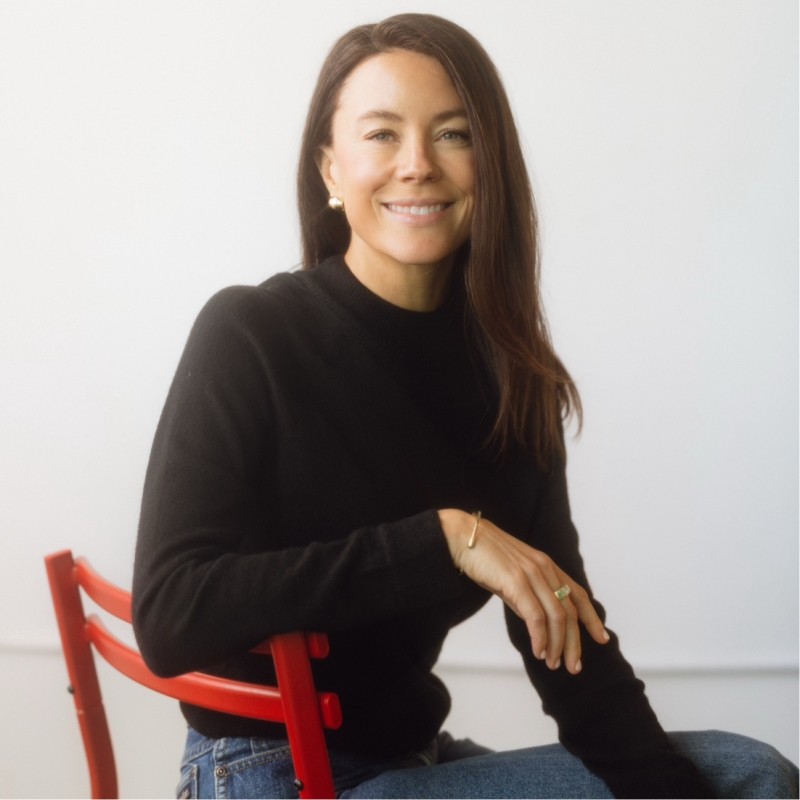
Hana Jacover vs Molly Sonsteng: Volume beats virality on LinkedIn
VSHana Jacover vs Hana Jacover, ACC: Same niche, different engagement math
VS
Hana Jacover vs Mark Pfister: Volume beats consistency on LinkedIn growth
VS
Hana Jacover vs Vitalii Dodonov: Authority through questions or hiring announcements
VS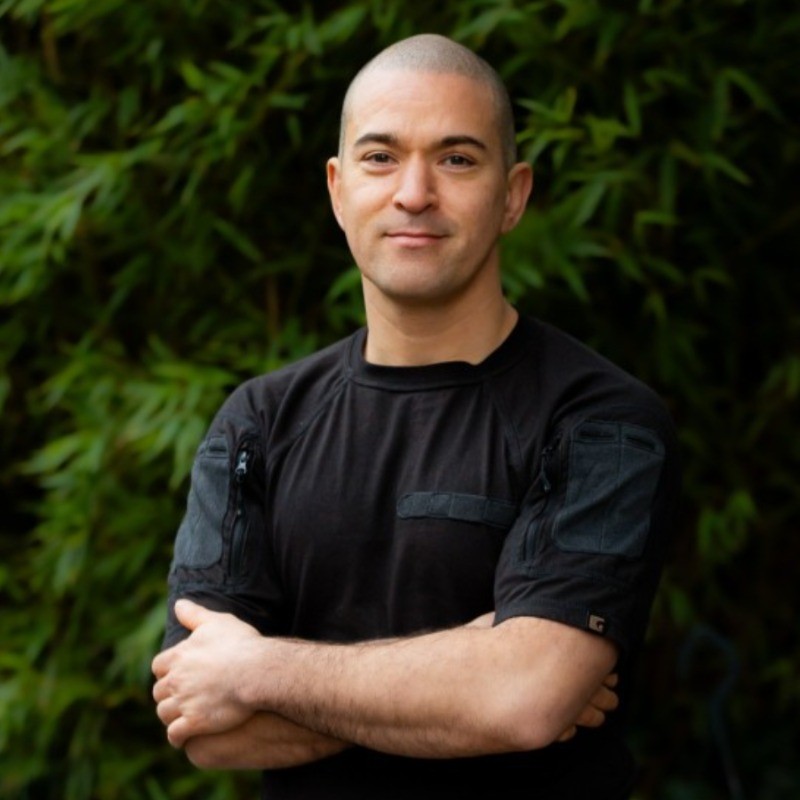
Hana Jacover vs Tibor Olgers: Volume beats depth on LinkedIn
VS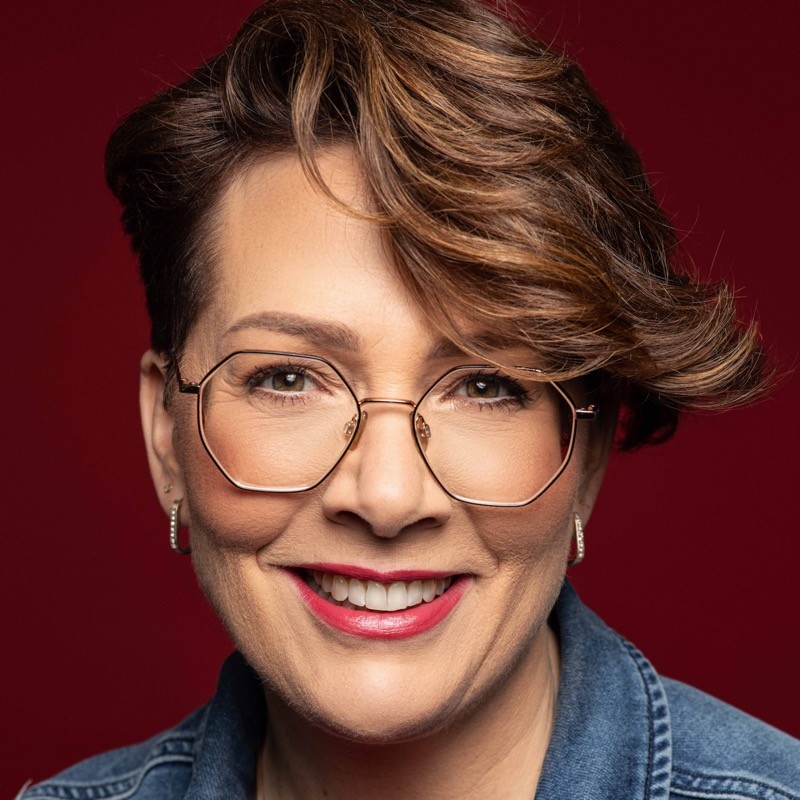
Hana Jacover vs Linda Graanoogst: Volume beats depth on LinkedIn